
Last updated November 25, 2026
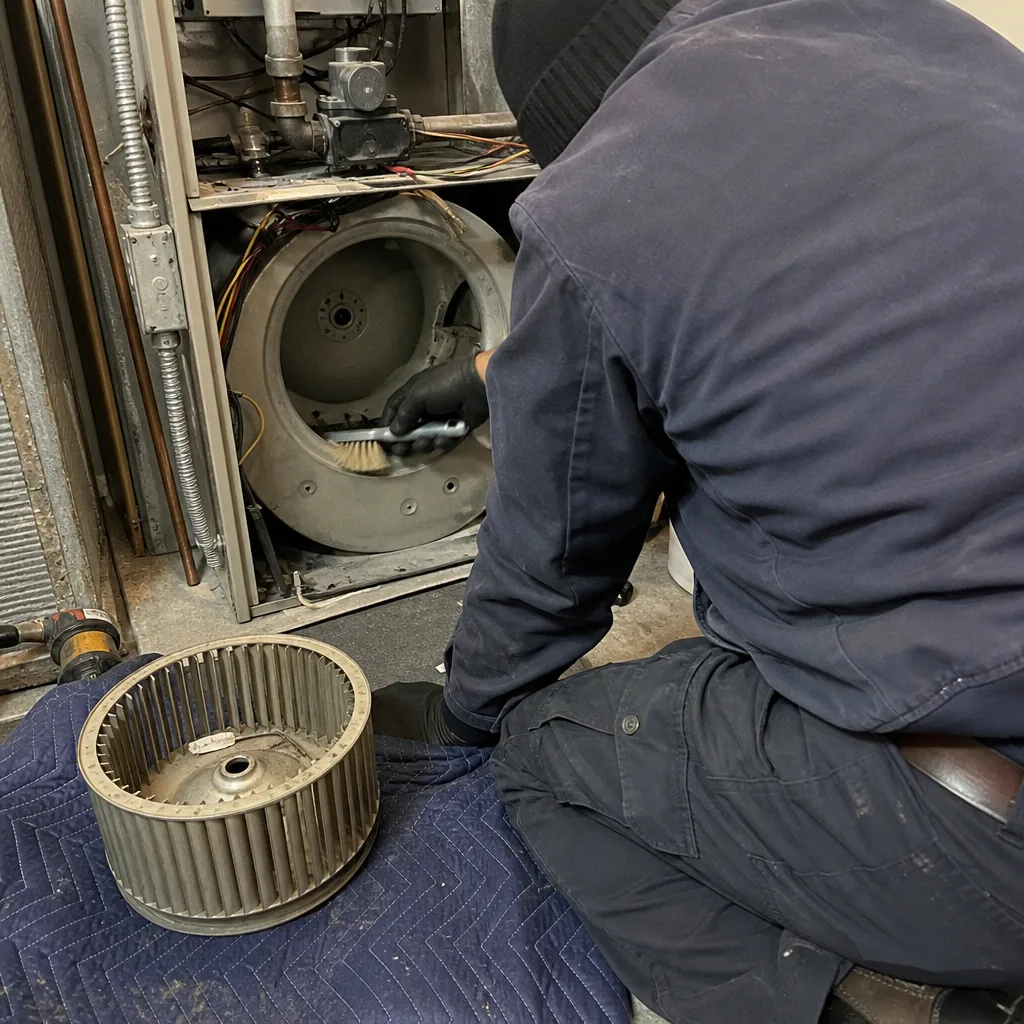
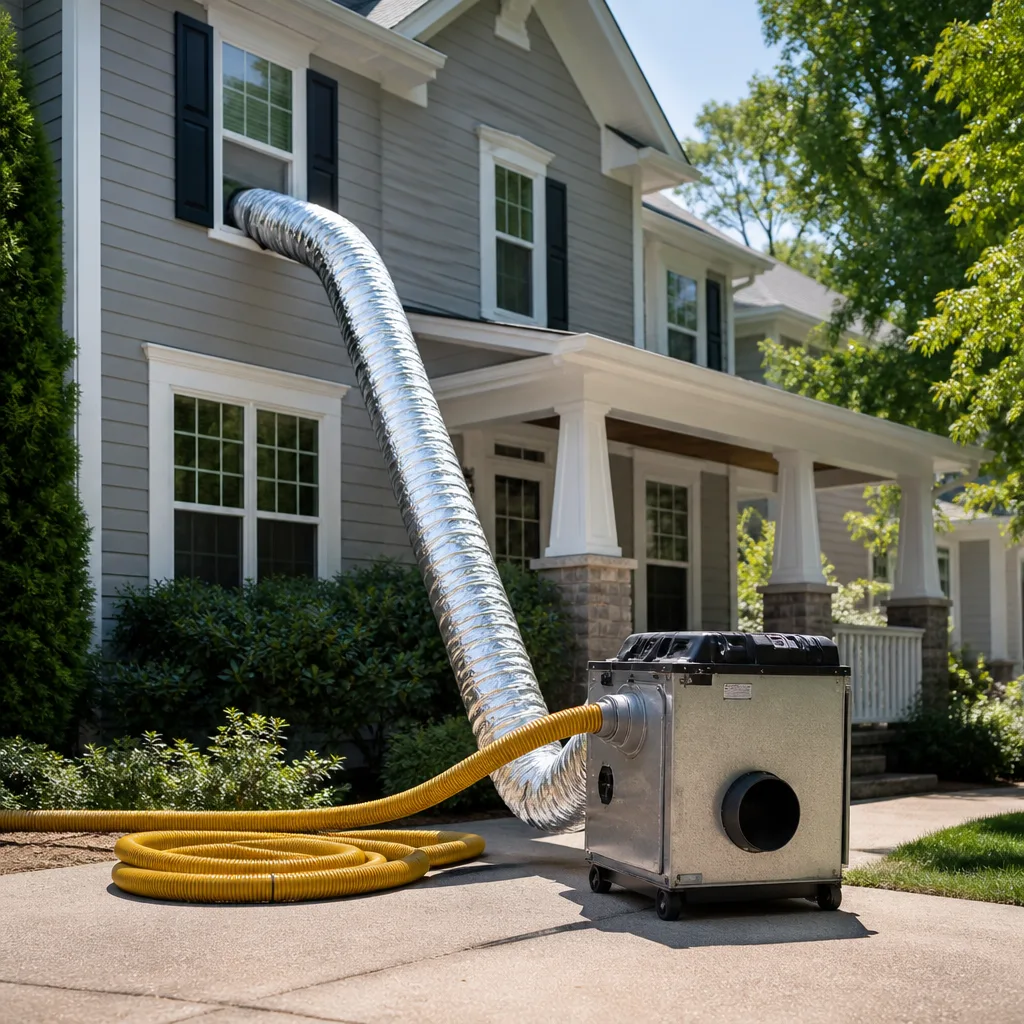 Whole-home duct cleaning
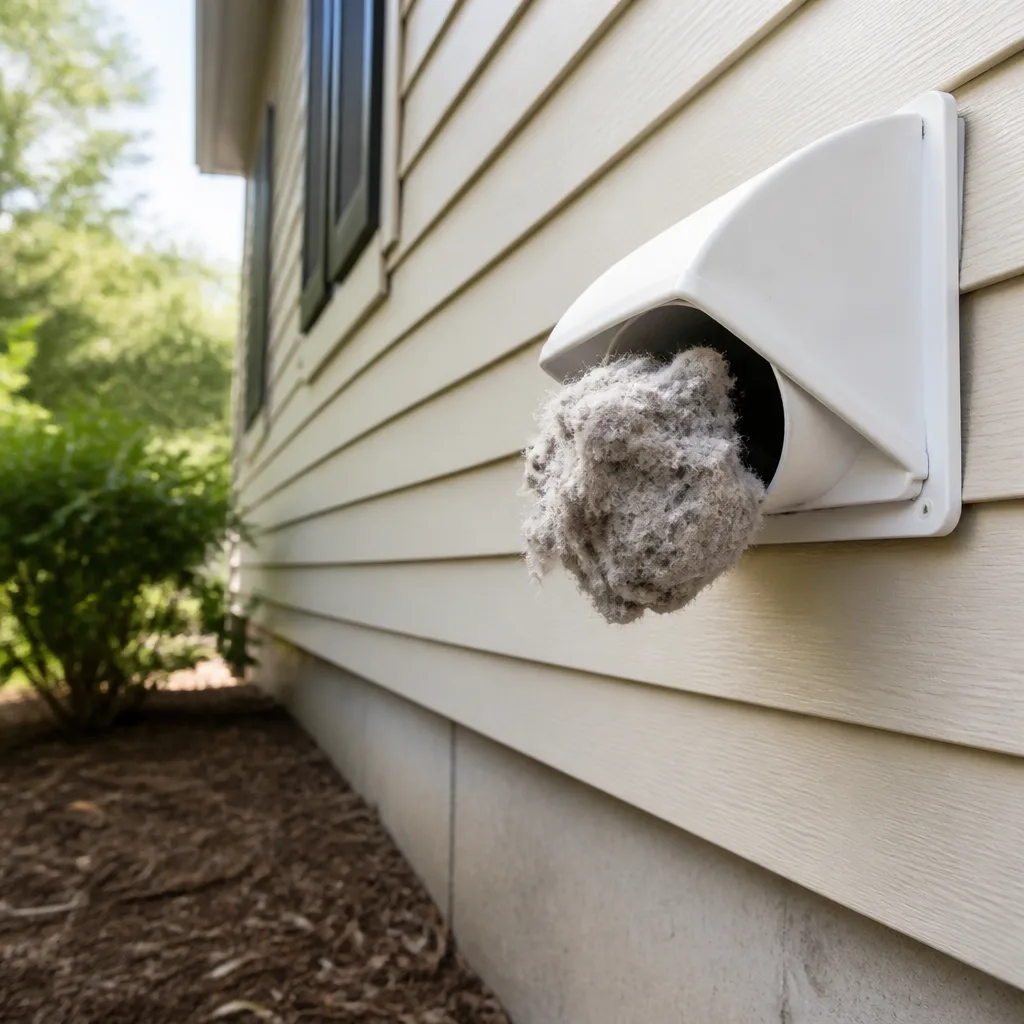 Dryer vent cleaning
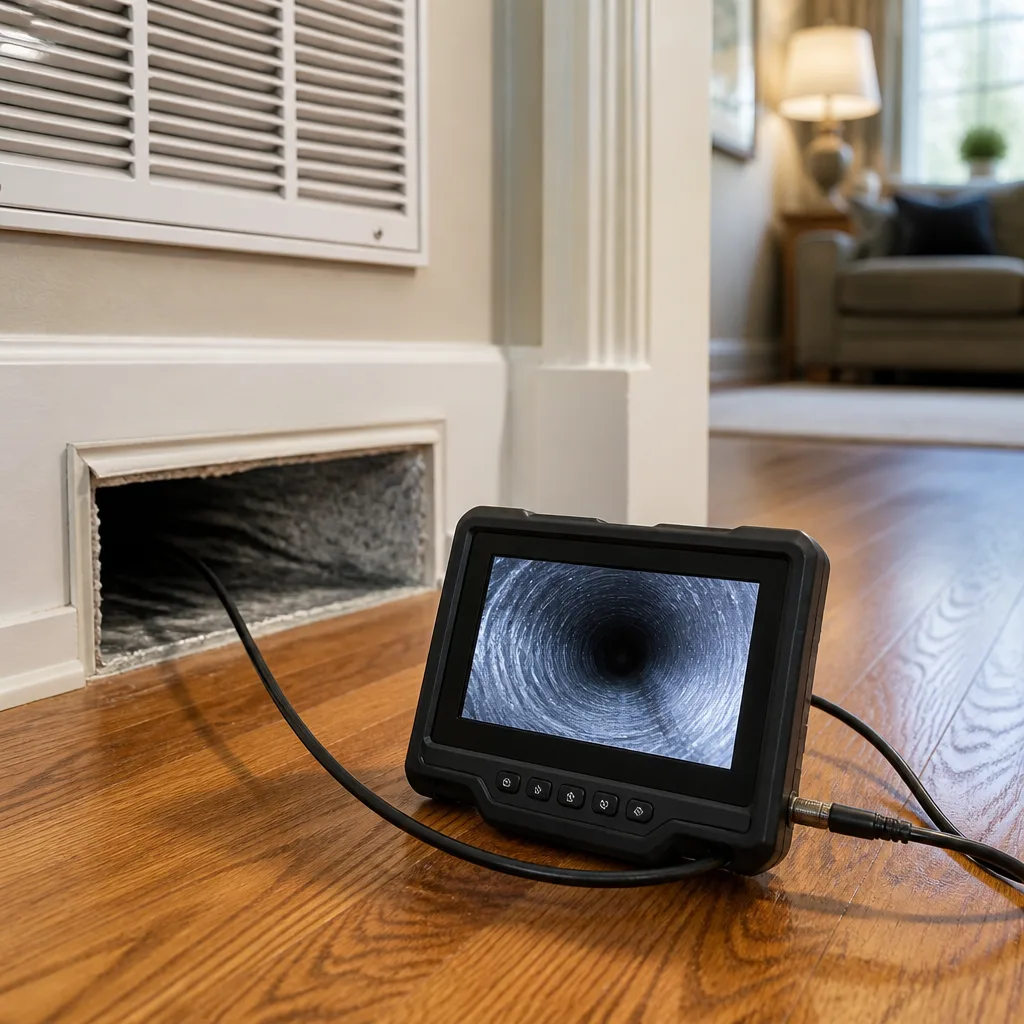 Camera inspection
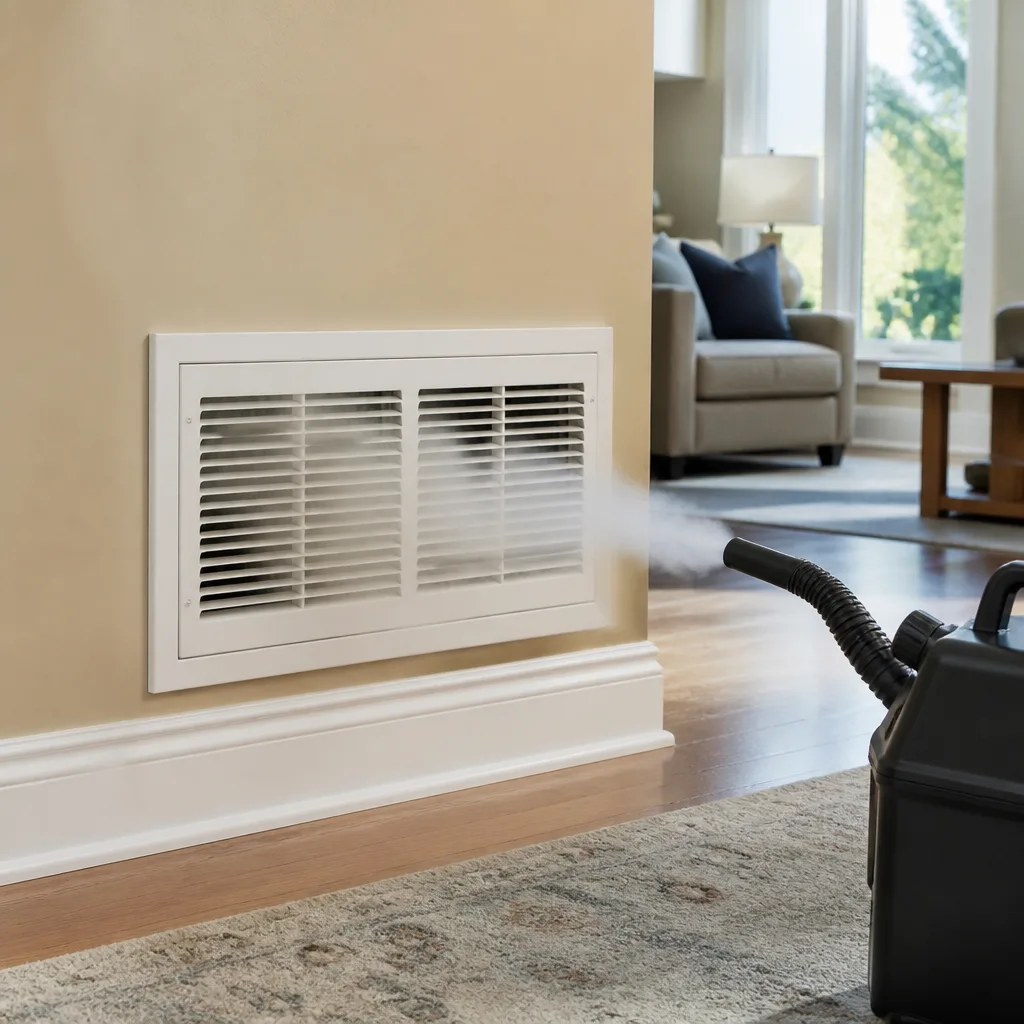 Sanitizing & deodorizing
Whole-system duct and dryer vent check with before-and-after photos - you see exactly what came out of your vents
That "$99 whole-house special" is a bait ad - the real number appears once they are in your hallway, or the "clean" is a shop-vac at the register. We photograph the inside of your ducts before and after instead.
The Complete Guide to Air Duct Cleaning in Kirkland
Most homeowners in Kirkland call about duct cleaning after something happens. A smell that won’t leave the hallway. An allergy season that hits harder than it used to. A remodel that left a fine gray film on every baseboard. By then the ducts have usually been telling the story for years. The condition of a duct system is a running record of everything that’s happened inside a home: the dust from that kitchen remodel, the dander from two decades of pets, the residue from a wood stove or candles, the moisture from a bathroom fan that vented into the attic instead of outside. This guide is about reading that record. You’ll learn how Pacific Northwest humidity affects sheet metal ductwork, what a professional inspection camera shows that a glance at the register never will, and how to tell real source-removal cleaning from a surface wipe-down.
Quick Answer
Air duct cleaning in Kirkland means using professional-grade equipment to remove built-up dust, dander, debris and microbial growth from every air pathway in a home – supply and return ducts, the air handler, and connected components – then verifying the result. It matters more here than in drier climates because the long damp season keeps interior duct surfaces in the humidity range where mold and biofilm colonize. A proper job uses negative-pressure filtration and rotary agitation, not a shop vac at the register, and it ends with a verification step rather than a handshake at the door.
Styles & brands we work with
- Whole-home duct cleaning
- Dryer vent cleaning
- Camera inspection
- Sanitizing & deodorizing
Table of Contents
- What’s Actually Inside Your Ducts
- Why Kirkland’s Humidity Changes the Equation
- What an Inspection Camera Reveals (and a Register Check Can’t)
- Source Removal vs. Surface Cleaning: The NADCA Standard
- Reading Your Home’s History in the Debris
- The Equipment That Separates a Real Cleaning from a Vacuuming
- Post-Cleaning Verification: Why Cleaning Without It Is Incomplete
- Repair and Sealing: Fixing What We Find
- How Often Air Ducts Really Need Cleaning
What’s Actually Inside Your Ducts
A duct system is not a clean tube. It’s a dark, temperature-stable environment with a constant airflow running through it, and that combination collects material the way a filter collects it – except nobody changes the duct. The average Kirkland home recirculates its indoor air several times a day, which means whatever has settled on the duct walls isn’t resting quietly. It’s being lifted and delivered to every room on a schedule.
Here’s what accumulates in a typical system:
- Household dust and fine particulate. Drywall dust, road dust tracked in from the street, lint from clothing and bedding. The heaviest fraction settles on horizontal runs and the bottom of trunk lines.
- Pet dander and hair. Dander is sticky and light, so it coats duct walls in layers rather than settling into one spot. Homes with cats or dogs build up faster than homes without.
- Construction and renovation dust. A kitchen or bathroom remodel pushes gypsum dust, sawdust and insulation fibers into the return side. That material stays in the system long after the plastic sheeting comes down.
- Smoke and combustion residue. Candle soot, cooking grease vapor, fireplace and wood stove smoke. These leave an oily film that grabs and holds other particulate.
- Biological growth. Mold spores, mildew and biofilm, which need moisture to establish. In Kirkland, moisture is the part of the equation that gets overlooked.
- Pest evidence. Rodent droppings, nesting material, and insect debris in duct runs that connect to unconditioned space like crawlspaces and attics.
The content of a system also varies by where you live in the city. Older homes near downtown Kirkland and the Market neighborhood often have original sheet metal trunk lines with years of settled debris and seams that have started to separate. Newer construction toward Juanita and the Bridle Trails area tends to bring a different problem: construction dust from the build itself, plus flexible duct sections that trap material where it sags. Neither is cleaner than the other. They just fail in different ways.
One point worth making plainly. Duct debris is not usually an acute health hazard. It’s a chronic one. The people who notice it first are almost always the ones with a reason to: an asthmatic child, a household with pets, someone who just finished a renovation. For everyone else it’s background noise until the system starts to smell, the airflow drops, or the furnace filter starts loading up in weeks instead of months. If you want a deeper look at what a full cleaning involves, our air duct cleaning page covers the service scope in detail.
Why Kirkland’s Humidity Changes the Equation
Most duct-cleaning advice you’ll read online was written for a dry climate. It treats duct debris as a dust problem. In Kirkland it’s a dust problem plus a moisture problem, and the moisture problem is the one that does real damage.
The Pacific Northwest pattern is long, cool and damp for much of the year, with a stretch of dry summer heat in between. Ductwork in a conditioned home generally stays within a range that keeps mold spores dormant but not eliminated. Add a little more moisture – a bathroom fan that exhausts into the attic instead of outdoors, a humidifier set too high, a poorly sealed return pulling damp crawlspace air – and that balance tips. Once mold establishes on the inside of galvanized sheet metal, it doesn’t dry out and flake away. It forms a film that binds dust to the metal and keeps feeding on new particulate as it arrives.
What that looks like in practice:
- Cool-season condensation. Warm, moist air hits a cold duct surface in an unconditioned space and condenses. Those droplets are enough to start colonization.
- Poorly sealed returns. A return duct that runs through a vented crawlspace pulls damp outside air into the system along with whatever else is in that space. Sealing matters as much as cleaning.
- Dry-season rebound. A hot, dry August dries the duct interior, and mold that established over the wet months releases spores into the airstream.
- Flexible duct in unconditioned space. Flex duct with a sag or a compressed section collects moisture at the low point, and the liner becomes a substrate.
In our experience, Kirkland systems that have never been professionally serviced show more biofilm on the evaporator coil and the first few feet of supply trunk than systems in drier parts of the state. That’s not a scare tactic. It’s a predictable result of the climate, and it’s the reason sanitizing belongs in the conversation alongside cleaning rather than as an upsell bolted on at the end.
What an Inspection Camera Reveals (and a Register Check Can’t)
Standing at a supply register and shining a flashlight up the boot tells you almost nothing. You’re seeing the first six inches of a run that may travel thirty feet, branch twice, and connect to a trunk line with a seam that’s been leaking into a wall cavity for years. The register is the mouth of the system. The camera goes down the throat.
Professional rotary systems like the Rotobrush platform we use on every job carry an inspection camera that travels the inside of the duct. The footage is what turns a vague concern into a decision. What we typically find that a visual register check misses:
- Debris depth in trunk lines. The bottom of a main trunk holds what gravity pulled down. It’s often a visible accumulation the homeowner has no idea exists.
- Seam separation and joint gaps. Ducts aren’t perfectly sealed, especially in older Kirkland homes. A visible gap on camera is an air-loss point and a contamination entry point at the same time.
- Coil condition. The evaporator coil sits downstream of the return and is often the most contaminated surface in the whole system. It’s invisible until someone looks.
- Microbial growth on duct walls. Mold and mildew show clearly on camera. So does the difference between surface spotting and established colonization.
- Evidence of pests. Droppings, nesting material, and the entry point that let them in.
- Flex duct collapse. A crushed or sagging flex run chokes airflow and traps material at the low point.
The footage changes homeowner decisions for one reason. It’s specific. A homeowner who is told “your ducts are dirty” has to take it on faith. A homeowner who sees a recording of a trunk line with an inch of settled debris has a factual basis for deciding. We show this footage before work starts, not after, so the scope of the job is agreed in advance rather than discovered mid-service.
This is also the honest answer to the worry that brings most homeowners to this research in the first place: how do you know anything actually happened? Camera footage in, camera footage out. If a company won’t show you the inside of the duct before the work, ask why.
Source Removal vs. Surface Cleaning: The NADCA Standard
The air duct cleaning industry has a credibility problem, and it comes down to this one distinction. Surface cleaning wipes what can be reached. Source removal pulls the material out of the system entirely. The NADCA standard, the reference point the industry uses for what a proper cleaning involves, is built around source removal: agitate the entire duct surface, keep the system under negative pressure, and capture the dislodged material in filtration rather than letting it settle back into the home or recirculate.
What each approach looks like when the technician is in a Kirkland home:
Surface-only cleaning (what to watch out for)
- Work is limited to what a vacuum head and a brush can reach from the register openings.
- No negative pressure. Dislodged dust simply goes back into the airstream and lands on furniture.
- Trunk lines, the air handler, and the coil are skipped or wiped from the outside.
- No camera verification before or after.
- No repair, sealing, or remediation of the reason the system got dirty.
Source-removal cleaning (the standard)
- Every supply and return run is agitated with a rotary brush or whip sized to the duct, from the register back to the trunk.
- The system is held under negative pressure for the duration, with HEPA-level filtration capturing the material as it comes loose.
- Trunk lines, the air handler, the blower, and the evaporator coil are cleaned as part of the scope, not treated as extras.
- Access holes are cut where needed and sealed afterward.
- The work ends with camera verification and, where needed, sanitizing and sealing.
Kirkland examples make the difference concrete. Take a 1970s split-level near Houghton with original sheet metal trunk lines. A surface-only pass cleans the registers and the first few feet of each run. A source-removal pass pulls decades of settled material out of the main trunk, cleans the coil, and finds the seam separation that’s been bleeding conditioned air into the crawlspace. Those are two different jobs with two different results, and only one of them changes how the system performs. The same holds in a newer Bridle Trails build where the issue isn’t decades of debris but construction dust and a crushed flex run in the attic.
Reading Your Home’s History in the Debris
Duct debris is a record. The composition of what comes out of a system tells you what happened in that house before you got there, and often what’s happening now. This is where cleaning becomes diagnostic rather than maintenance.
- Construction dust. A fine, uniform gray-white layer, often with visible gypsum and wood fibers, means the home was built or remodeled recently and the ducts were never protected or cleaned afterward. It’s common in Kirkland’s newer construction and in any home that’s had a kitchen or bath remodeled.
- Pet dander stratification. Dander has a distinct distribution. It coats the walls of the return and the upper runs more heavily than the bottom of the trunk, because it’s lighter and more adhesive than household dust. If the layering pattern is heavy on the walls and thin in the settled material, there have been pets in that system for years.
- Smoke and grease residue. A tacky, dark film that binds other particulate to it. It shows up in homes with a wood fireplace, heavy candle use, or a return near the kitchen. Once it’s on a duct wall, ordinary dust sticks to it and stays.
- Moisture and biofilm. Patchy dark growth, often concentrated at seams and joints, with a musty smell in the airstream. A return pulled from a damp crawlspace or a bath fan vented into the attic leaves this signature.
- Insect and rodent evidence. Droppings, casings, and nesting material, usually in the duct runs closest to the crawlspace or attic line. It’s a sign of an entry point that also needs sealing.
Read together, these patterns tell you what a system needs and where the underlying problem came from. A return that pulls from a damp crawlspace doesn’t just need cleaning. It needs cleaning plus sealing plus ventilation correction, or it will be dirty again within a few seasons. A home with a construction history needs the ducts cleared before the new owners move in, not after. This is the piece most cleaning services skip. We repair what we find, not just clean around it.
The Equipment That Separates a Real Cleaning from a Vacuuming
You can’t clean a duct system with a consumer vacuum, and you especially can’t do it with a rental unit that’s been rolling around in the back of a truck. The difference is not one of premium pricing for the same result. It’s a different category of tool doing a different category of job.
The equipment that matters, and what it does:
- Rotary agitation systems. A Rotobrush rotary brush travels the full length of each run and scrubs the duct surface rather than skimming it. This is what loosens material that’s bonded to the metal and gets to the far end of a run that a straight vacuum head can’t reach.
- High-volume negative pressure. Professional systems like the Nikro platform pull the entire system under negative pressure so that dislodged material moves toward the collection unit instead of toward the living room. This is the part that protects the occupants during the job.
- In-home air filtration. We deploy Abatement Technologies filtration equipment during service to capture contaminants inside the home while work is in progress. Without it, a duct cleaning can temporarily make indoor air worse before it makes it better.
- Inspection camera. Tied to the rotary system, it documents condition before and after. This is the verification step described later in this guide, and it’s what makes the work checkable.
- Post-cleaning air-quality products. We source and install Honeywell and Aprilaire components, and we use Guardsman-grade protective treatments as part of the sanitizing scope. Cleaning removes what’s there. These products address what comes next.
Equipment is not the whole story, but it’s a legitimate filter. Ask what a company uses before you book. If the answer is a shop vac and a brush, the result will be a surface pass no matter how the job is described. If the answer is a rotary system with negative pressure and filtration, you’re in the right conversation.
It’s also worth saying that the equipment matters most at the parts of the system nobody thinks about. A HVAC cleaning scope covers the air handler, the blower and the coil – the components that sit between the return and the supply and collect the concentrated contamination from both.
Post-Cleaning Verification: Why Cleaning Without It Is Incomplete
A duct cleaning that ends with a verbal “all done” is a service you have to take on trust. That’s the entire problem with this industry in one sentence. Verification is what converts the work from a claim into a result you can check, and it’s the step most services skip because skipping it saves time.
What verification actually involves, technically:
- Pre-cleaning footage. Camera inspection of the duct interiors before any work starts, documenting the condition the job is being scoped against.
- Post-cleaning footage of the same runs. The same camera pass, in the same locations, showing the cleaned duct walls. Before and after, side by side.
- Visual check at registers. A register that shows debris or dust after cleaning is a register that wasn’t reached.
- Airflow confirmation. Checking that supply airflow at the registers hasn’t been reduced by a dislodged obstruction or a duct section that was disturbed during the work.
- Photo documentation of the collected material. Showing what came out of the system, not just claiming it did.
We do before-and-after camera footage on every job and show it to the homeowner. Not because it’s a marketing feature, but because the alternative is asking someone to trust a process they can’t see inside a system they can’t reach. When the footage is in front of you, the question of whether the work happened stops being a question.
Verification also catches the things cleaning alone doesn’t fix. A camera pass that goes in before the work often finds a seam separation, a crushed flex run, or a disconnected joint. Those need repair and sealing, not another cleaning. That’s why we do the repair and sealing work in the same visit rather than referring it out. Cleaning clears the debris. Sealing closes the door it came through.
Repair and Sealing: Fixing What We Find
Cleaning a duct system without addressing the way it leaks is a temporary fix. A duct system is supposed to deliver conditioned air from the air handler to the rooms and return it for reconditioning. Every seam separation and joint gap leaks a fraction of that air into a wall cavity, an attic, or a crawlspace. In the process, it pulls outside contamination back into the system. Cleaning and sealing together address both halves of the problem.
What the repair work involves, in general terms:
- Sealing accessible joints and seams with duct mastic or approved tape, closing the gaps that leak conditioned air and let in contamination.
- Reconnecting separated runs where a joint has come apart at a trunk or a boot.
- Replacing crushed or damaged flexible duct sections that are restricting airflow.
- Correcting return-air routing where a return pulls from a damp crawlspace instead of conditioned space.
- Sealing the access holes cut during cleaning so the system is tighter after the service than it was before.
This is where the guide touches a genuine safety point. The duct system connects directly to the furnace or air handler and its combustion components. Anything involving gas lines, the heat exchanger, or electrical connections inside the air handler is work for a trained technician, and we recommend one for it. We don’t give homeowner instructions for opening the air handler or working around gas or electrical components, because a mistake there is dangerous. What we do is clean, seal, repair, and sanitize the air pathways and flag anything that needs a licensed HVAC or electrical professional.
The full-scope coverage matters here too. A typical service call on a Kirkland home can include cleaning the supply and return ducts, cleaning the HVAC components, addressing the dryer vent, and sanitizing the system – all in one visit, by one company. That’s not a convenience claim. It’s the difference between a system that’s been cleaned as a whole and one that’s been cleaned in pieces by different vendors who never saw each other’s work. The dryer vent cleaning side deserves special mention because a clogged dryer vent is a documented leading cause of residential fires, and it’s a fire hazard that has nothing to do with the furnace.
How Often Air Ducts Really Need Cleaning
There’s no universal interval. The honest answer is that the right schedule depends on the home, and the industry guidance is built around specific triggers rather than a fixed calendar. Cleaning a duct system that doesn’t need it doesn’t help. Skipping one that does need it lets a small problem compound.
The triggers that actually warrant a cleaning:
- After a renovation or new construction. Drywall dust, sawdust and insulation fibers end up in the return side. Get the system cleaned before move-in, not after.
- After moving into a previously occupied home. You don’t know the prior occupants’ pet history, smoking, or maintenance habits. A cleaning resets the baseline.
- When the system has never been serviced. Every system has a first cleaning, and older systems that have never been touched generally have the most to remove.
- When there’s visible mold or musty odor in the airstream. This is a humidity and moisture problem as much as a debris problem, and it needs source removal plus sanitizing.
- When there’s pest evidence. Rodent or insect activity in the ducts needs remediation and sealing, not routine cleaning.
- When someone in the home has a health reason. Allergy or asthma sufferers benefit most from source removal plus verified air quality.
- When airflow has dropped for no obvious reason. A crushed flex run or a blocked trunk line will show up as weak airflow at the registers.
For a typical Kirkland home without pets or recent renovation, a cleaning every several years is a reasonable baseline, with more frequent service after a remodel or if the home has pets. But the trigger-based approach is more useful than a calendar. If you’re not sure which category your home falls into, a camera inspection answers it in a few minutes and gives you a factual basis for deciding. The team at Kirkland Air Duct Cleaning Pros offers free estimates in Kirkland – call (833) 509-3011.
Common Mistakes to Avoid
- Booking on price alone without asking about equipment. The lowest bid is often the one that arrives with a shop vac and a brush. Ask what system the company uses, whether it runs negative pressure, and whether it includes filtration. The answer tells you which category of cleaning you’re getting.
- Letting anyone clean your ducts without cutting access holes. A technician who only vacuums through the register openings can’t reach the trunk lines or the far end of a run. Proper source removal requires access, and access holes should be sealed afterward.
- Cleaning without addressing the moisture source. In Kirkland’s climate, a cleaning that doesn’t also fix a bath fan vented into the attic or a return pulling from a damp crawlspace will be temporary. The biofilm comes back in a season or two.
- Skipping the dryer vent because “it’s not part of the HVAC.” A clogged dryer vent is a documented leading cause of residential fires, and it’s just as much of an air pathway as the return. It belongs in the same service visit.
- Accepting a verbal “all done” as verification. Ask for the camera footage. Before and after, same runs. A company that won’t show you the inside of the ducts before the work is a company you can’t verify after it.
- Ignoring a construction history or recent move-in. New construction and major remodels push fine dust into the return side. Homes that changed hands carry the prior occupants’ pet and smoking history. Both are reasons to clean, not reasons to wait.
- Treating duct cleaning as a one-time fix for a system problem. If a camera pass finds a compressed flex run, a disconnected joint, or a seam separation, the answer is repair and sealing. Cleaning around a broken system leaves the break in place.
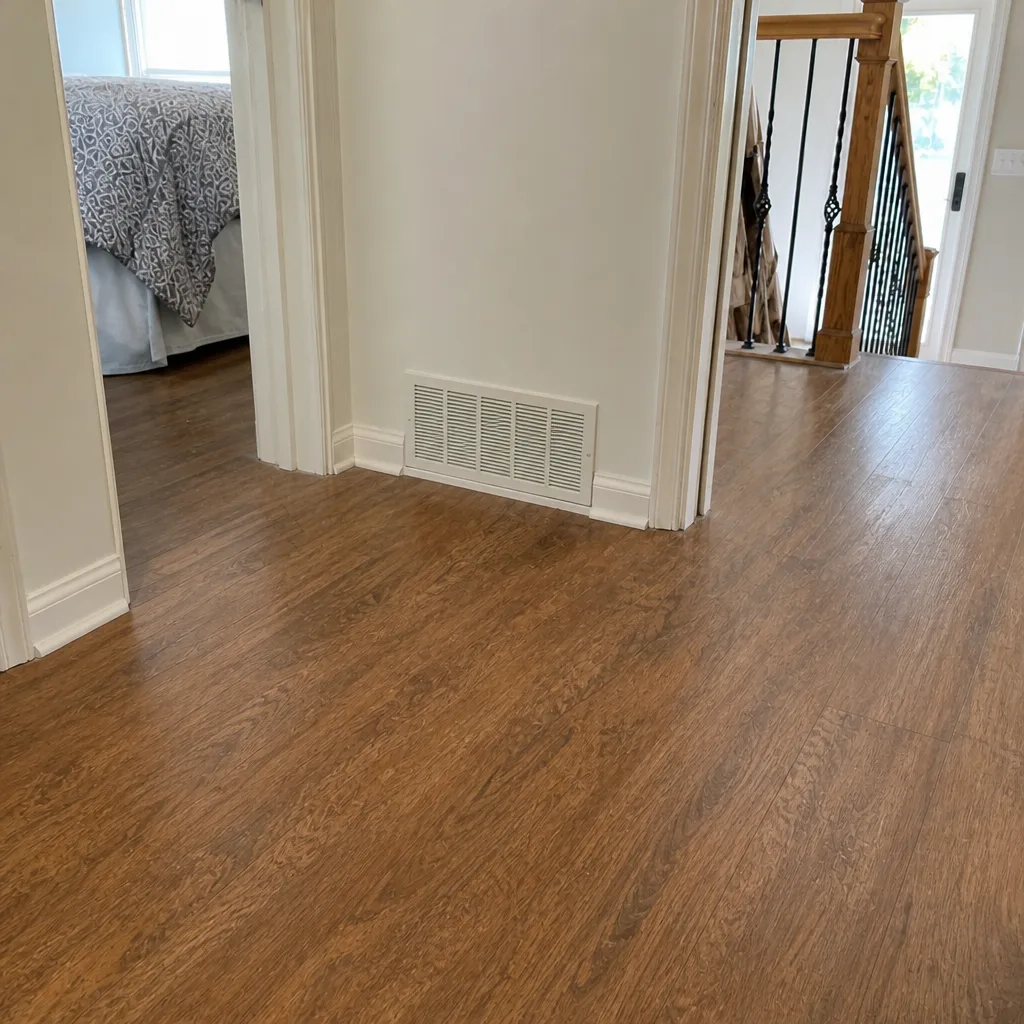
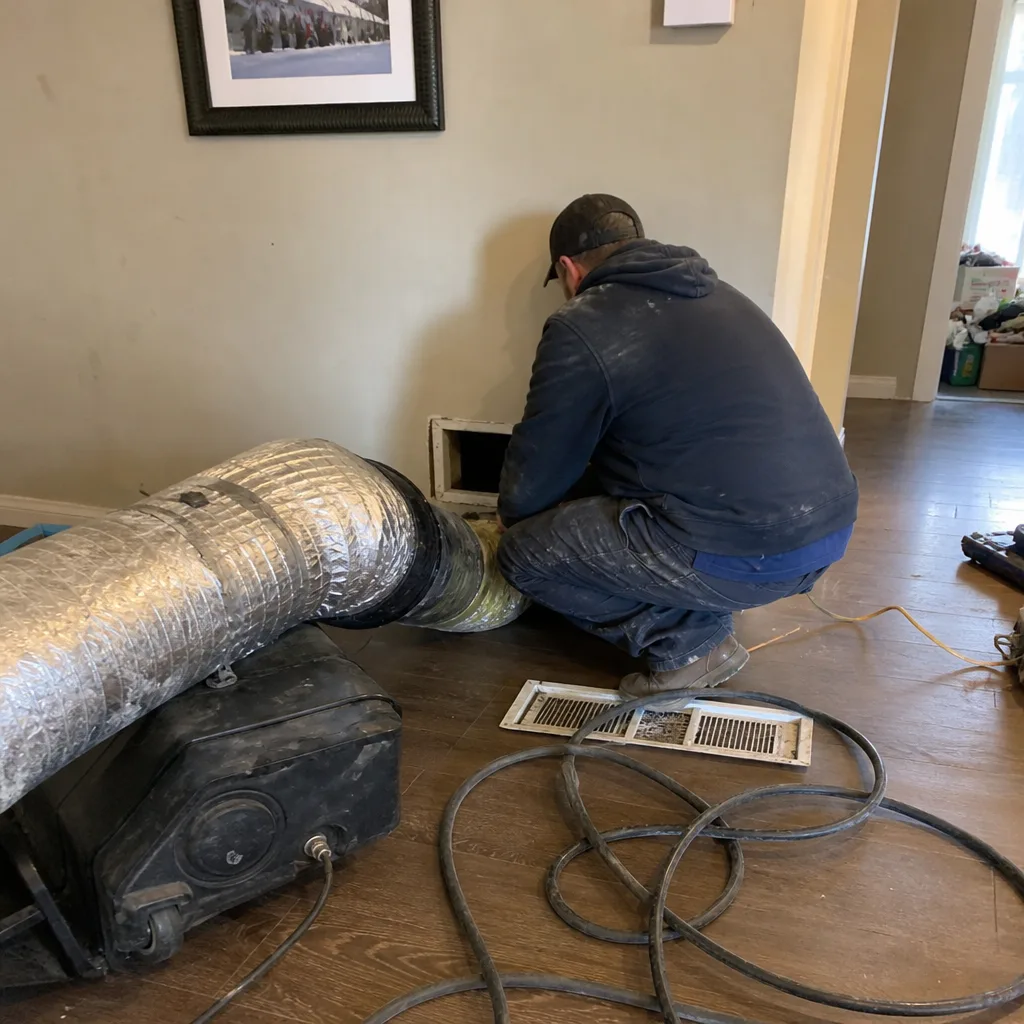
See the difference
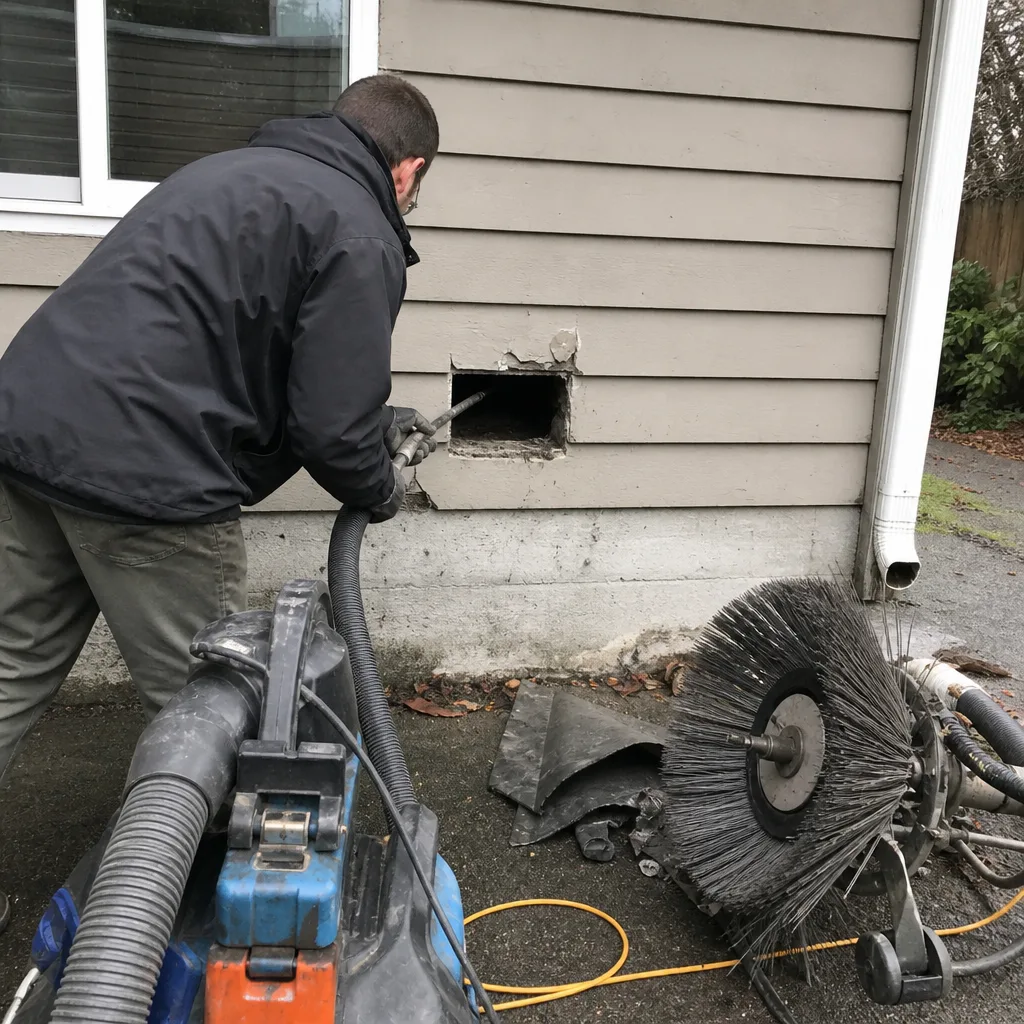 Before
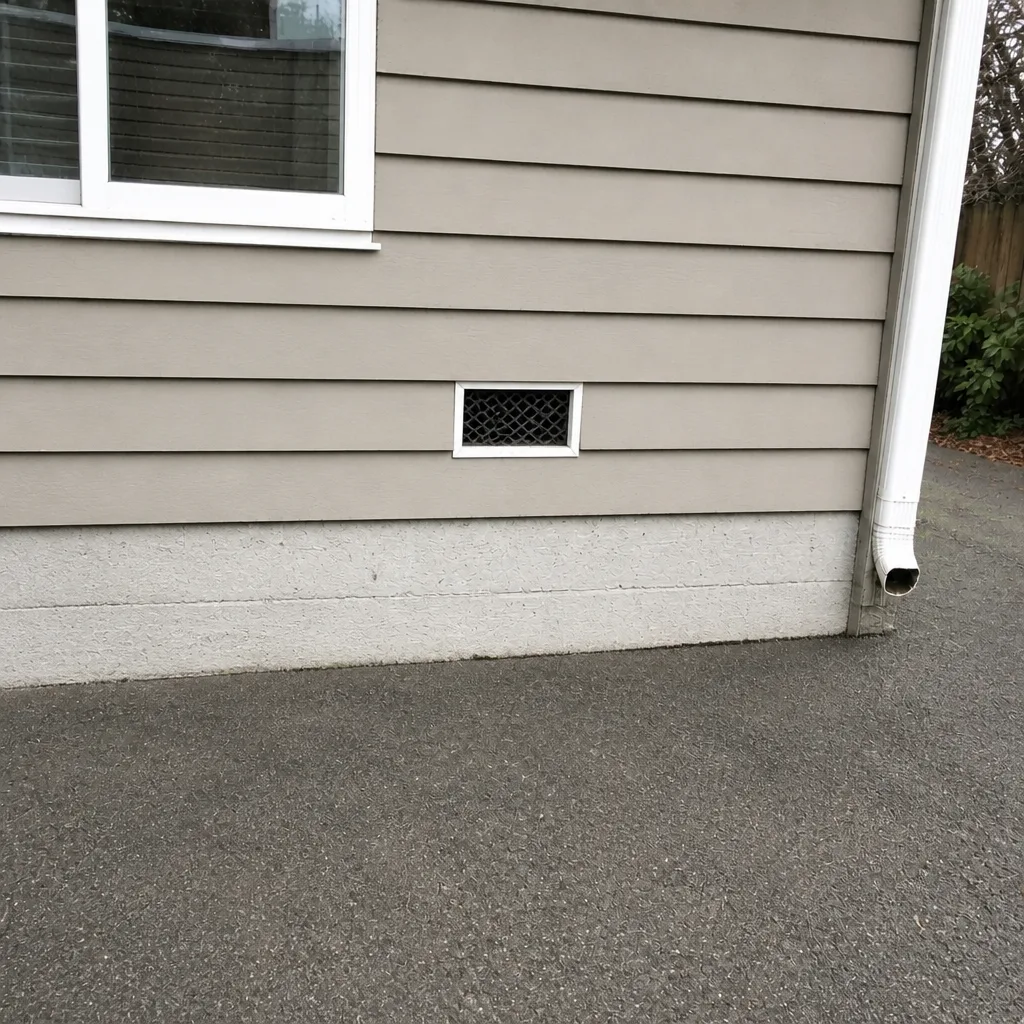 After
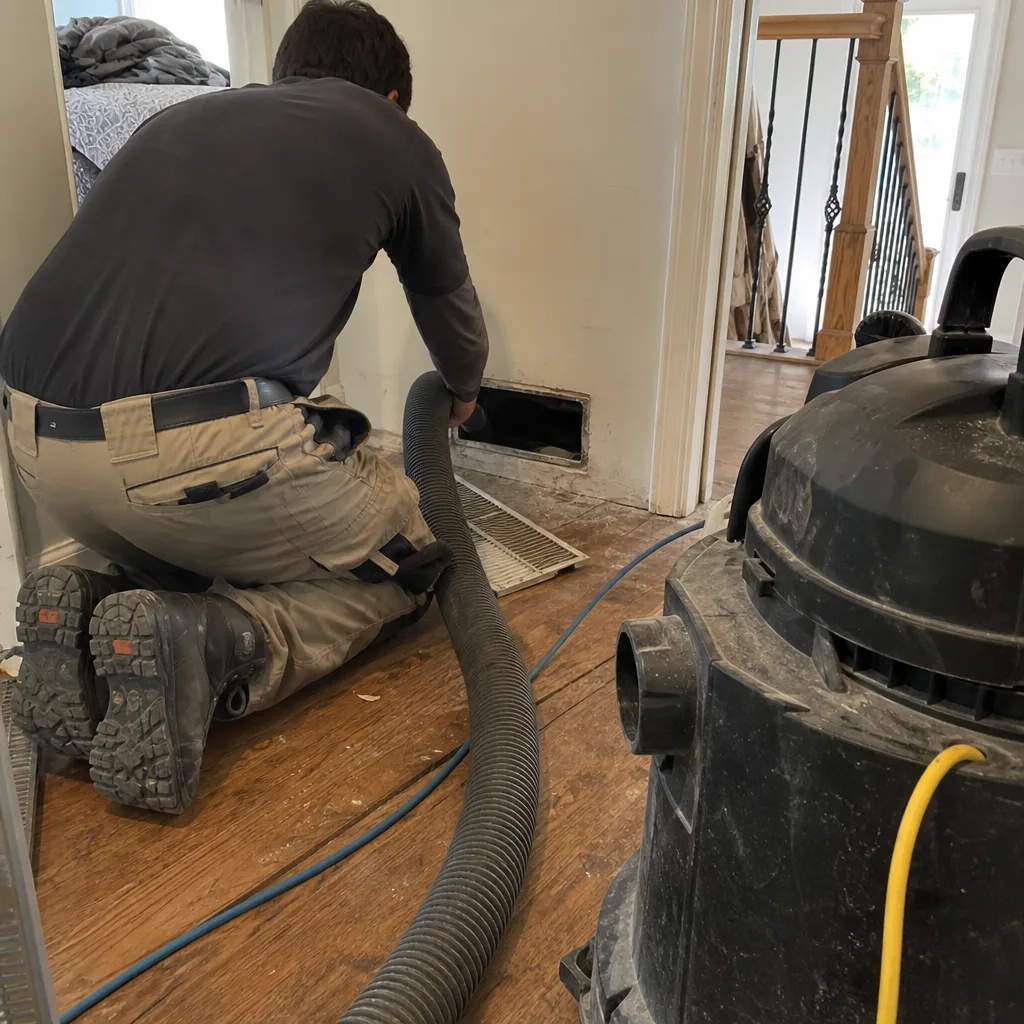 Before
 After
 Before
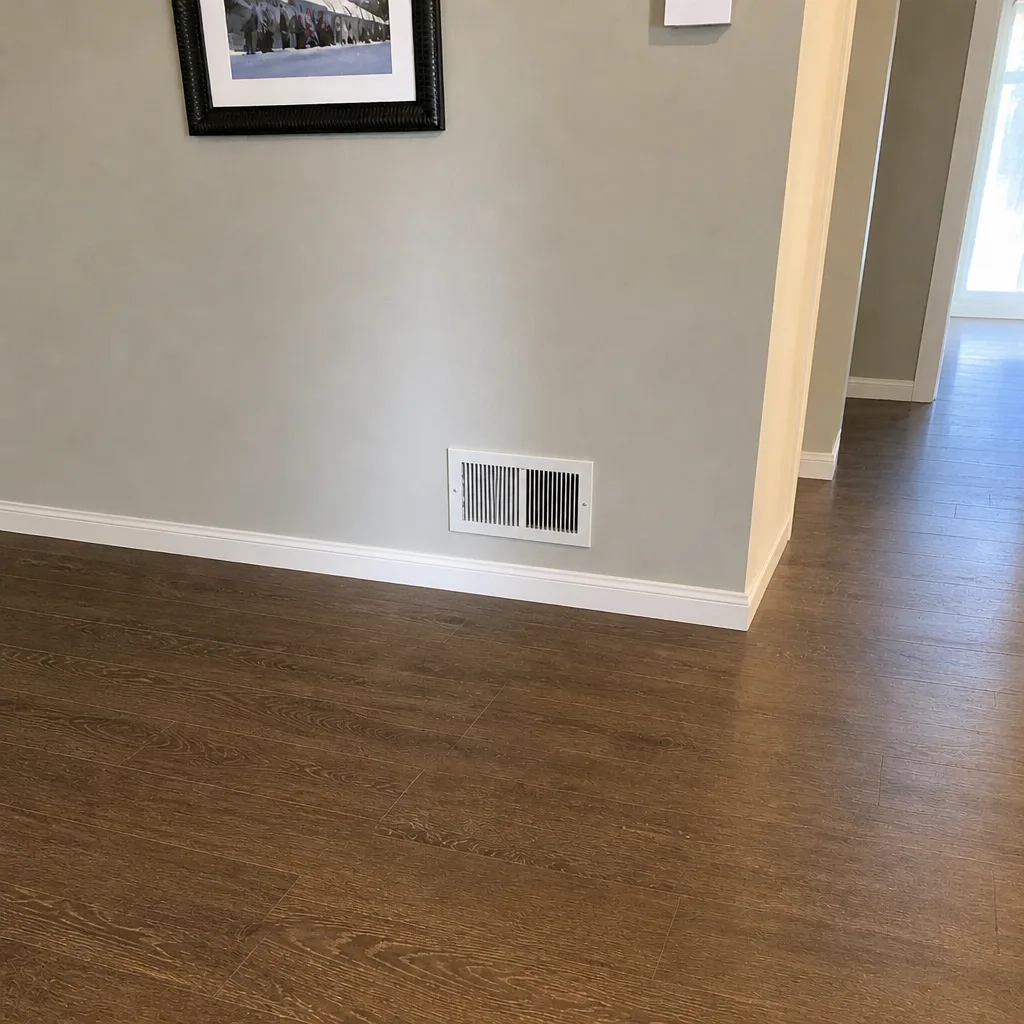 After
When to Call a Professional
Call a professional when the system has never been serviced and the home is more than a few years old, when a renovation or new build has left construction dust in the return side, or when there’s visible mold, a musty odor in the airstream, or pest evidence in the ducts. Call when you’ve just moved into a home and don’t know its history, when airflow has dropped at the registers, or when someone in the house has an allergy or asthma reason to care about indoor air quality. Call before you assume a smell is normal. And call when you want the duct system inspected with a camera rather than guessed at from the register. A professional cleaning with verified before-and-after footage gives you a factual answer. Kirkland Air Duct Cleaning Pros offers free estimates in Kirkland – call (833) 509-3011.
Frequently Asked Questions
Most whole-system cleanings in Kirkland fall in a range of roughly $300 to $600 for a typical single-family home, with larger systems, multiple returns, or add-on work like sanitizing, sealing, or dryer vent cleaning moving the estimate higher. Pricing is set per job by a written estimate after a camera inspection, not by a per-vent count, and that written estimate is the final price. Call (833) 509-3011 for an exact quote – estimates are free. We answer 24/7 and dispatch from 7am to 7pm, Sunday through Friday.
Cheap quotes usually describe a surface-only pass: a vacuum at the registers, no negative pressure, no inspection camera, no access to the trunk lines. That work doesn’t remove what’s bonded to the duct walls, and it can actually redistribute dust back into the room. A source-removal job uses professional rotary systems like Rotobrush, holds the system under negative pressure, filters the air in the home with Abatement Technologies equipment, and verifies the result with footage. When you compare bids, compare the equipment and the verification step, not just the number. Call (833) 509-3011 – estimates are free.
Ask for before-and-after camera footage of the same duct runs. A camera pass before the work documents the condition, and a camera pass after shows the cleaned walls in the same locations. That’s the verification step, and it’s what separates a verified cleaning from a claim. We do it on every job. Call (833) 509-3011 to schedule an inspection.
There’s no universal interval, but a practical baseline for a typical Kirkland home is every few years, with more frequent cleaning after a renovation, after a move-in, or in a home with pets. Triggers like visible mold, musty odor, pest evidence, or a recent remodel matter more than a calendar. When you don’t know which category your home is in, a camera inspection settles it. Call (833) 509-3011 – estimates are free.
The local professional we connect you with should be state-licensed and carry current insurance and bonding as Washington requires, and we recommend confirming the details before work begins. The written estimate is the other check: it should lay out the scope, the equipment being used, and the verification step, in a price per system agreed before any work starts. Call (833) 509-3011 to get an estimate in writing.
We schedule a free estimate with a camera inspection so the condition of your system is documented before any work is scoped, and we agree on one flat price per system in writing. We answer 24/7. A call outside dispatch hours is booked into the next opening, Sunday through Friday, 7am to 7pm. Call (833) 509-3011.
The Bottom Line
Air ducts aren’t a maintenance checkbox. They’re a record of everything that’s happened inside a home, and reading that record tells you what the system needs. In Kirkland, that means humidity-driven biofilm alongside ordinary household debris, which is why cleaning and sealing go together rather than one standing alone. Source removal, held under negative pressure with in-home filtration, verified by camera footage, is the standard worth holding any company to. Surface cleaning with a shop vac at the register isn’t a cheaper version of the same job; it’s a different job with a different result. If you want that standard on your home, Kirkland Air Duct Cleaning Pros runs professional rotary and filtration equipment and shows you the footage before and after. Call (833) 509-3011. We answer 24/7. Fast dispatch from 7am to 7pm, Sunday through Friday.
Written by the team at Kirkland Air Duct Cleaning Pros.