
Last updated November 25, 2026
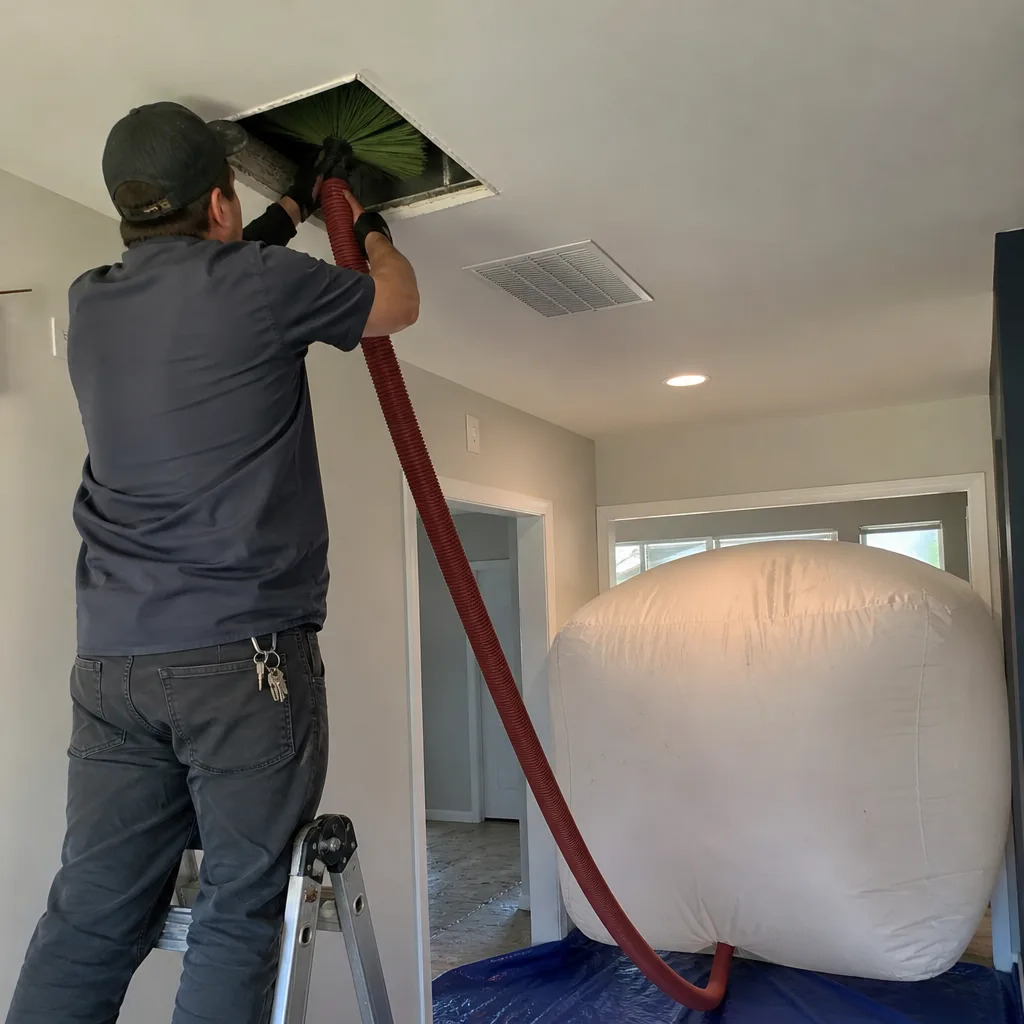
 Whole-home duct cleaning
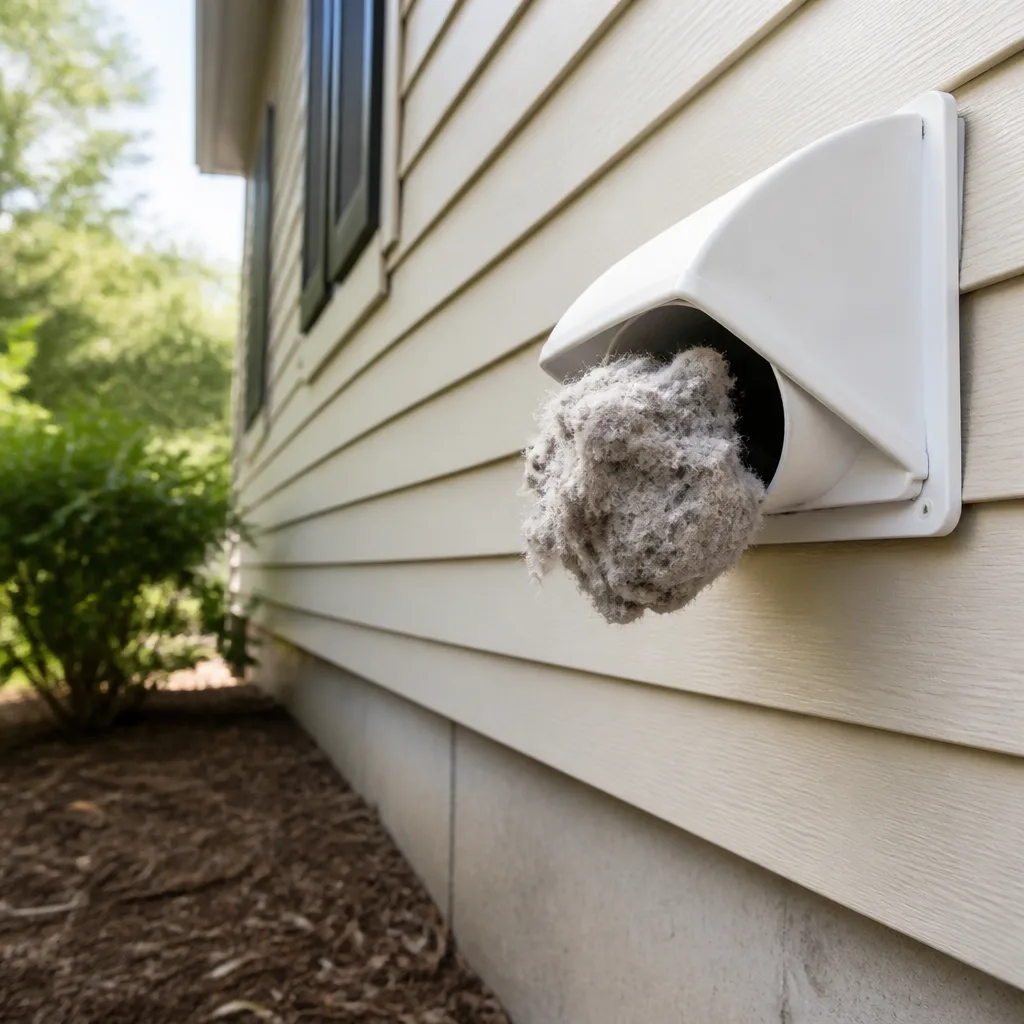 Dryer vent cleaning
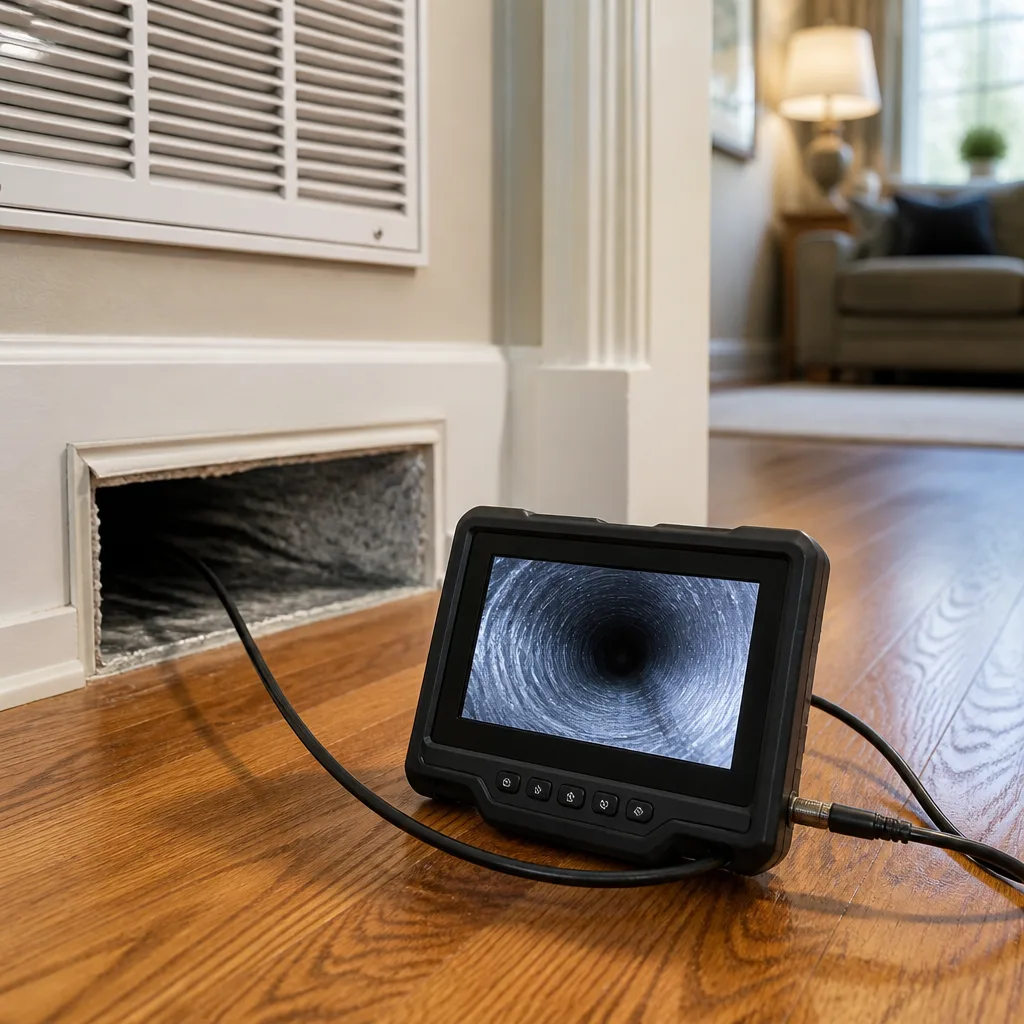 Camera inspection
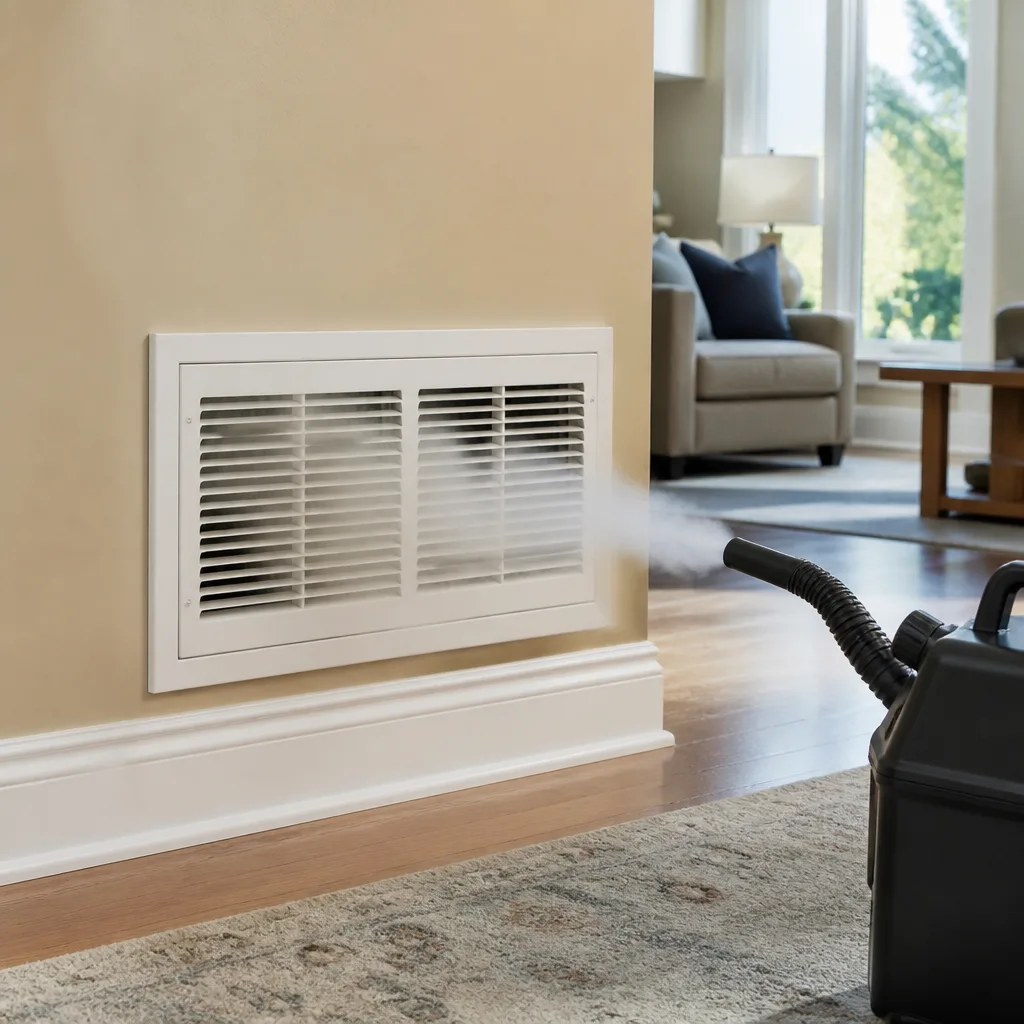 Sanitizing & deodorizing
Whole-system duct and dryer vent check with before-and-after photos - you see exactly what came out of your vents
That "$99 whole-house special" is a bait ad - the real number appears once they are in your hallway, or the "clean" is a shop-vac at the register. We photograph the inside of your ducts before and after instead.
How to Hire an Air Duct Cleaning Contractor in Kirkland: A Step-by-Step Guide
There’s no state license required to call yourself an air duct cleaner in Washington. Which means the company quoting a very low flat rate for a whole-house cleaning and the company running a professional Rotobrush or Nikro system operate under the same legal label. The difference isn’t a piece of paper hanging on a wall. It’s equipment, process, and what a contractor is willing to put in writing before anyone touches your system.
This guide is written for Kirkland homeowners who want to hire like an informed buyer. You’ll learn the technical questions that separate capable operators from van-and-vacuum outfits, how to structure a written scope of work, and how to verify the job was actually done once the technician leaves.
Quick Answer
Hire an air duct cleaning contractor in Kirkland by verifying equipment first, not price: ask what cleaning system and filtration they run, whether they create negative pressure, and whether they can itemize a written scope. Confirm they can show before-and-after documentation, get the total price in writing before work starts, and never book based on a door-hanger or a phone quote alone.
Styles & brands we work with
- Whole-home duct cleaning
- Dryer vent cleaning
- Camera inspection
- Sanitizing & deodorizing
Table of Contents
- Why There’s No License Requirement in Washington (And What That Means for You)
- The Five Technical Questions to Ask Before Booking
- What NADCA Membership Actually Signals
- Kirkland Red Flags: Low-Bid Solicitations to Walk Away From
- How to Structure a Written Scope of Work
- Post-Job Verification: What a Legitimate Contractor Leaves Behind
- How Much Air Duct Cleaning Costs in Kirkland
- When a Do-It-Yourself Approach Falls Short
Why There’s No License Requirement in Washington (And What That Means for You)
Air duct cleaning is not a licensed trade in Washington state. There’s no exam, no continuing education requirement, and no state registry that confirms a cleaning company knows what it’s doing. Anyone with a business license, a vacuum, and a truck can advertise the same service as a specialist running commercial-grade equipment. The vetting burden lands entirely on you.
That’s the opposite of how most homeowners think about hiring. We’re trained to look for a license number and treat it as a pass. Here, that check doesn’t exist, so it’s replaced by direct questions about equipment and process. We’ve seen how this plays out in Kirkland, where older neighborhoods and newer construction sit side by side and duct systems vary enormously from one home to the next. A Lake Washington-adjacent cottage from the mid-century and a new build in the Totem Lake area have completely different duct layouts, different debris profiles, and different air-loss problems. A contractor who can’t describe how they’d handle either one isn’t a specialist.
What fills the gap left by missing licensing? Three things you can check:
- Equipment specs. Professional systems like air duct cleaning platforms from Rotobrush or Nikro are named, verifiable, and standard in the trade. A company should tell you precisely what it uses.
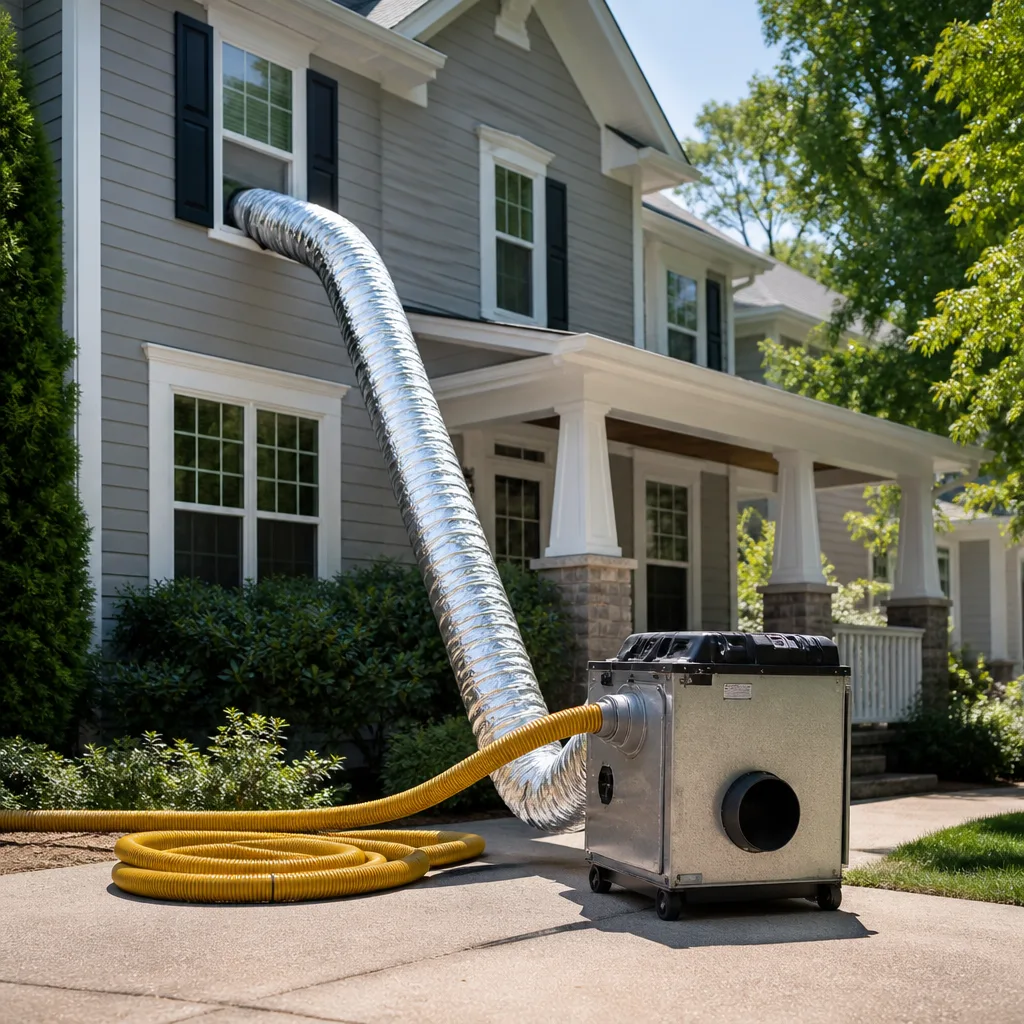
- Filtration. A serious operator brings air-filtration equipment to capture dislodged contaminants inside the home, not just a vacuum at the register.
- Written documentation. Reputable contractors put scope, price, and completion reports in writing. If they won’t, that’s your answer.
Since no agency is enforcing competence, your purchase agreement is the only enforcement mechanism you have. Build it deliberately.
The Five Technical Questions to Ask Before Booking
Ask these on the phone before you ever schedule, and listen for specificity. A trained technician answers in technical terms. A salesperson answers in assurances.
- What cleaning equipment do you use? Look for named professional platforms. Rotobrush and Nikro are two that commercial HVAC contractors rely on, and both use powered agitation plus high-capacity vacuum extraction. Consumer-grade vacuums or rental equipment don’t move the volume of air needed to clear a whole-house system, so debris gets stirred up and left behind.
- How do you create negative pressure in the system? This is the technical heart of the job. Negative pressure means the collection equipment is pulling air toward a sealed extraction point, so dislodged material leaves rather than recirculates into your living space. A contractor who can’t explain their negative-pressure setup doesn’t have one worth trusting.
- How do you protect the air in the home while you work? Ask specifically about air-filtration equipment. Abatement Technologies filtration units are used during service to actively capture contaminants while work is in progress, which matters if anyone in the house has allergies or asthma.
- Do you repair and seal ducts, or only clean them? Cleaning buildup is half the job. Finding and sealing leaks, disconnected joints, and failed returns is the other half, and it’s where a lot of the actual air loss and contamination entry happens.
- Will I get a written scope and before-and-after documentation? Get this confirmed in advance. The answer tells you whether the contractor is accountable for the outcome or just the invoice.
Anyone who deflects or answers with a phone-book price instead of a process isn’t a specialist. Send them on their way.
What NADCA Membership Actually Signals
NADCA (the National Air Duct Cleaners Association) membership is one of the few external signals available for this trade, and it’s meaningful for a specific reason: the association sets equipment and process standards that members are expected to meet. It isn’t a state license, and it doesn’t guarantee a great job, but a contractor willing to join has at least invested in training and standards on purpose. A logo check alone isn’t enough, though.
Here’s how to actually use it:
- Confirm they’re a current member, not a former one. Ask when they joined and whether they’re in good standing.
- Ask what standard they clean to. NADCA membership carries specific process expectations, and a member should be able to describe them.
- Look for allied signals: use of professional equipment, a written scope, and willingness to repair. Membership plus process is strong. A logo with no process behind it is decoration.
If a company isn’t a member, that’s not automatically disqualifying. Plenty of capable operators never join. But if they’re not a member, the technical questions in the previous section carry even more weight. In our experience with air systems in Kirkland, the contractors worth hiring can talk about pressure, filtration, and repair in the same breath.
Kirkland Red Flags: Low-Bid Solicitations to Walk Away From
Low-bid duct cleaning has a well-earned reputation, and it’s earned one the same way in Kirkland as anywhere else: the advertised price is bait, the real invoice is set on-site. These are the patterns to recognize before you invite anyone into your home.
- Door-hanger flyers with a flat whole-house rate. A flat price quoted before anyone has seen your ducts can’t be based on anything real. Duct count, layout, and condition determine cost, and those are only known after an assessment.
- Refusal to name their equipment. If a contractor can’t tell you what cleaning system they run, assume it’s consumer-grade. That’s a process problem, not a secret worth protecting.
- On-site upsell pressure. The technician arrives, looks in the system, and suddenly the price triples for a “severe condition.” Any legitimate scope change comes from documented findings, and it should be agreed to in writing before you add work, not decided on the spot.
- “Cleaned” in under an hour for a whole house. Professional equipment is thorough, and thorough takes time. A rushed job typically means a surface pass, not a deep clean.
- No before-and-after documentation offered. If no one is going to show you what was inside the ducts before and after the work, you have no way to know what was actually done.
- Pressure to book immediately. Urgency is a sales tactic. A quality contractor has no reason to invent one.
These patterns are common in any city, but in Kirkland they cluster around seasons when homeowners are thinking about indoor air: after a renovation, at the start of allergy season, or when a new baby arrives. That’s exactly when the bait tends to work, so recognize the pattern and let it be the reason you walk, not the reason you book.
How to Structure a Written Scope of Work
The written scope of work is your only real protection in an unlicensed trade. That document is what a contractor is accountable to, and a well-built one protects both parties: it prevents surprise upcharges and gives a clear standard to measure completion against. Ask for it before work begins and read it before anyone starts. A scope that holds up should itemize, at minimum:
- What’s being cleaned. Supply and return ducts, HVAC components, registers, and any other air pathway (like a dryer vent) should each be named. “Duct cleaning” alone is too vague.
- The cleaning method. Which equipment is used and how negative pressure is created and maintained during service.
- Sanitizing scope, if included. If a protective treatment is part of the job, it should be described: what product line is being used and which components it’s being applied to.
- Repair and sealing, if included. Any duct repair, joint sealing, or reconnection should be listed separately, and any additional cost should be agreed to in writing before it’s added.
- Warranty terms. What exactly is covered if the work fails and for how long. This should be on paper, not verbal.
- The final price. One flat price per system agreed before work starts. No per-vent pricing and no phone quote that later grows.
A contractor who can’t produce a scope like this is telling you, clearly and without saying it, that they don’t intend to be held to one. Walk.
Post-Job Verification: What a Legitimate Contractor Leaves Behind
The job isn’t finished when the technician packs up. It’s finished when you’ve been given the proof to confirm what was done. A legitimate contractor leaves three things behind, and you should expect all of them without having to ask.
- Before-and-after footage. Photos or video of your own ducts, before and after, taken from inside the system. This isn’t a gesture; it’s the only evidence you have that the work actually happened. If a company won’t provide it, that absence is the finding.
- A written completion report. A short document listing what was cleaned, what was found, what was repaired, and any parts of the system that need follow-up. It’s the counterpart to the written scope you signed.
- A filter recommendation. The correct filter for your system, given your duct condition and any allergy concerns. Post-cleaning fine particulate tends to settle for a while, and a new filter (and knowing when to change it) protects the work you just paid for.
We’ve seen homeowners in Kirkland skip this step, then wonder a year later why their air feels worse, not better. If the contractor can’t point to footage, a report, and a filter recommendation, that’s a strong signal that the service was a surface pass, not a genuine cleaning. Ask before you book, and treat the answer as part of the vetting. In a trade with no licensing, documentation is the receipt the job actually happened. To see how a documented completion handoff looks on a real service call for
How Much Does Air Duct Cleaning Cost in Kirkland?
There’s no state-set price for air duct cleaning in Kirkland, and honest contractors won’t quote a fixed rate before looking at your system. What you should expect is a whole-system estimate that reflects duct count, layout, condition, and the scope of work (cleaning alone versus cleaning plus sanitizing or repair). Expect it in writing, itemized, and agreed before anyone starts.
Any contractor who quotes a firm price over the phone, sight unseen, is quoting a teaser, not an estimate. The pattern to watch for: a very low advertised rate that becomes a far larger invoice once the technician is in the home. This is the bait-and-switch reputation the duct cleaning industry carries, and it’s the reason flat-price phone quotes should trigger a second look rather than a sigh of relief.
| Contractor type | What to expect on the estimate |
|---|---|
| Van-and-vacuum outfit | Very low flat rate, no equipment specs, no written scope, on-site upcharges likely |
| Professional specialist | Itemized whole-system price, named equipment, written scope, before-and-after documentation included |
We set pricing per job by written estimate, and there are no per-vent prices or teaser figures. The final price is whatever the written estimate states. If a quote seems too good to be true, it usually is, and the question to ask is not “how much lower can you go?” but “what’s included, and can you show me?” A Kirkland Air Duct Cleaning Pros technician can walk through a free estimate and put the whole-system scope in writing for you.
When a Do-It-Yourself Approach Falls Short
There are a few cases where the professional call is clear:
- Recently completed renovation. Drywall dust, sawdust, and construction debris settle deep in the system and in the HVAC components, not just at the registers. Consumer vacuums stir this material up without extracting it.
- An HVAC system that’s never been professionally serviced. The first deep clean on a system with years of buildup is the job that most needs commercial-grade equipment.
- Allergy or asthma concerns in the household. When occupant health is the reason for the call, the filtration during service matters as much as the cleaning itself.
- Known or suspected duct leaks. Seal and repair work isn’t a cleaning task. It requires someone who can find the leak, repair it, and confirm the system is sealed.
- A dryer that takes too long to dry. A clogged dryer vent is a documented fire hazard. That’s a professional call, not a DIY one.
If your system is in one of these categories, book a specialist rather than a generalist. We connect Kirkland homeowners with independent local professionals who do this work, and the estimate is free. Call (833) 509-3011. We answer 24/7. Fast dispatch from 7am to 7pm, Sunday through Friday.
Common Mistakes to Avoid
- Hiring on price alone. The lowest bid in an unlicensed trade is usually the one that skipped equipment and process, not the one that found a better deal. The advertised price and the final invoice are rarely the same number.
- Assuming a license check means something. Washington doesn’t license air duct cleaners. If you’re relying on a license number to vet a contractor, you’re checking a credential that doesn’t exist.
- Not asking about equipment. “We use a vacuum” is not an answer. You should know the specific platform and how negative pressure is created before booking.
- Accepting a verbal scope. Anything not in writing is not part of the agreement. Get the scope, the price, and the warranty in writing, every time.
- Skipping the post-job documentation. If you don’t review the before-and-after footage and completion report, you have no way to know whether what you paid for actually happened.
- Forgetting the dryer vent. A complete air-pathway service includes the dryer vent, and a clogged one is a documented leading cause of residential fires. Don’t let it slide just because it’s not a duct.
- Ignoring repair findings. If the contractor identifies a disconnected joint or failed return, that’s the root cause of air loss and contamination. Cleaning around it doesn’t fix it.
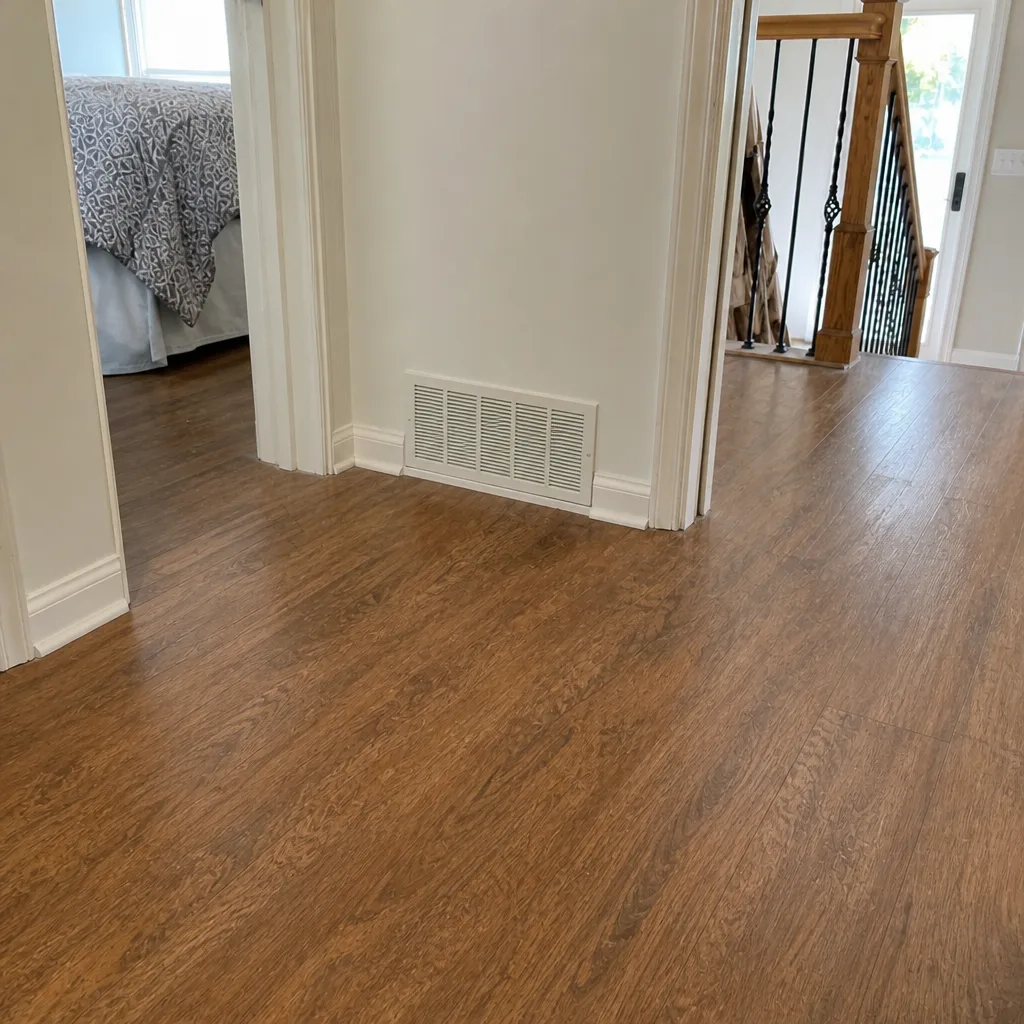
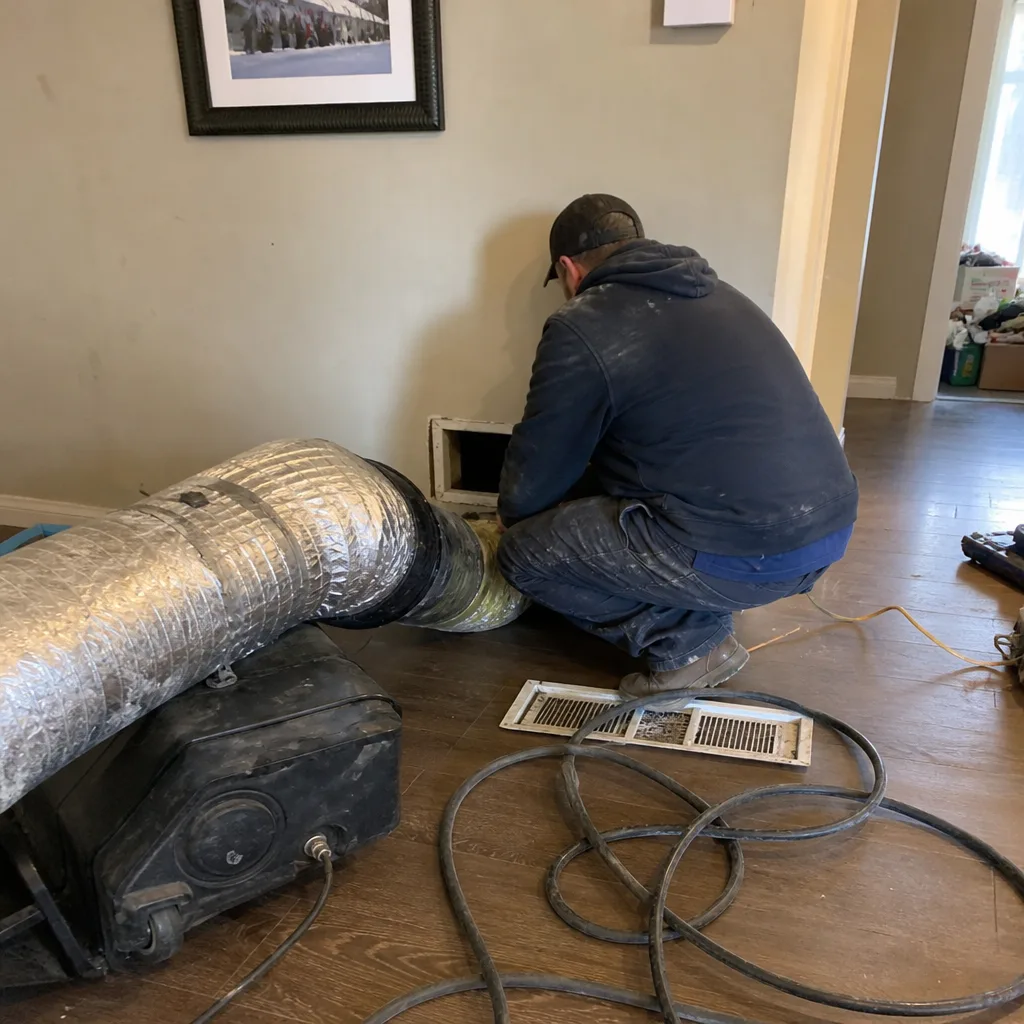
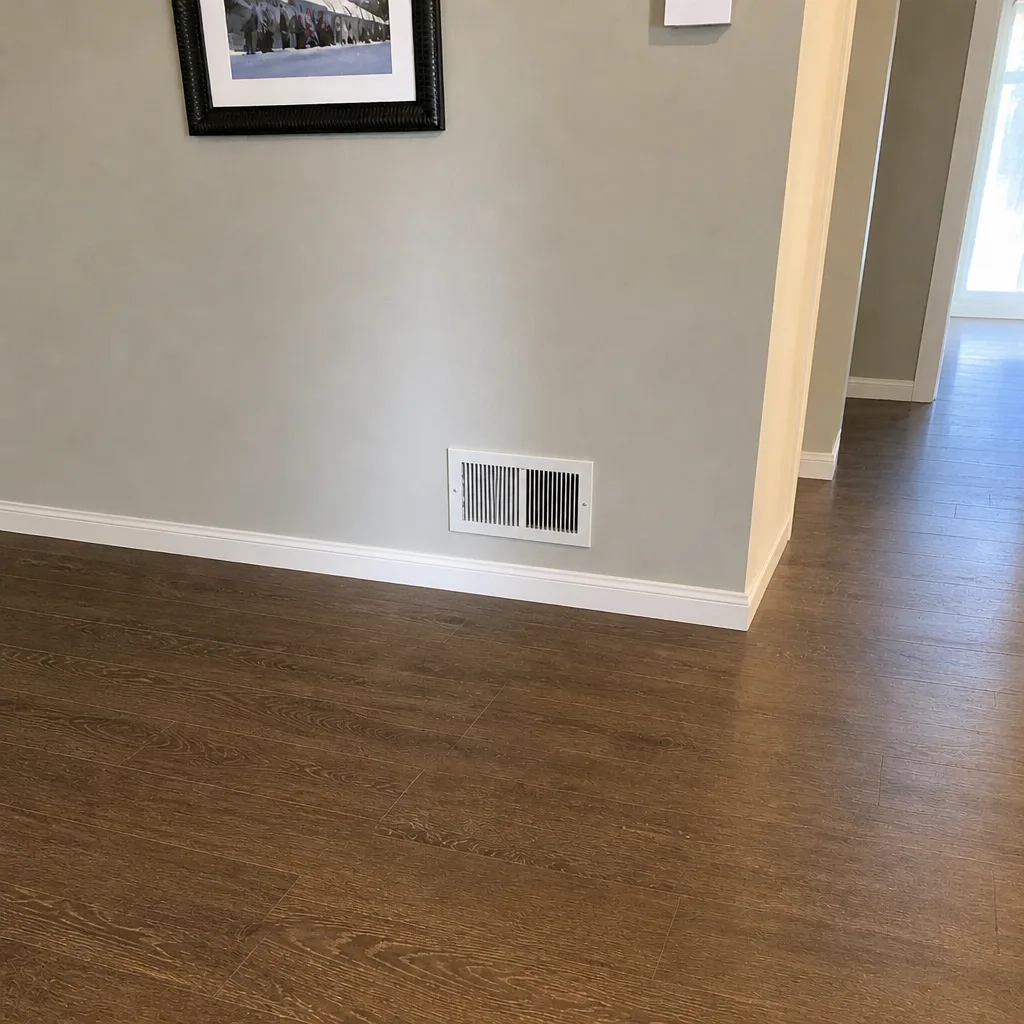
See the difference
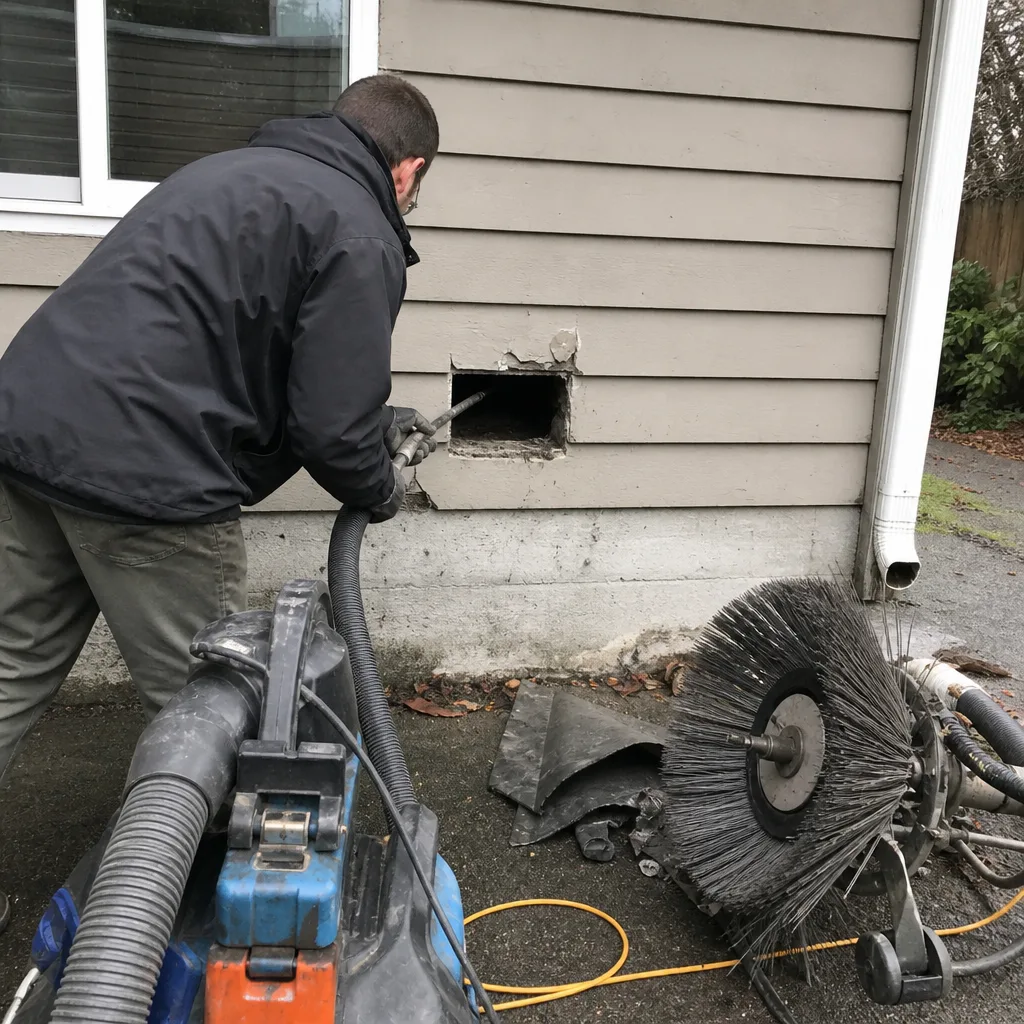 Before
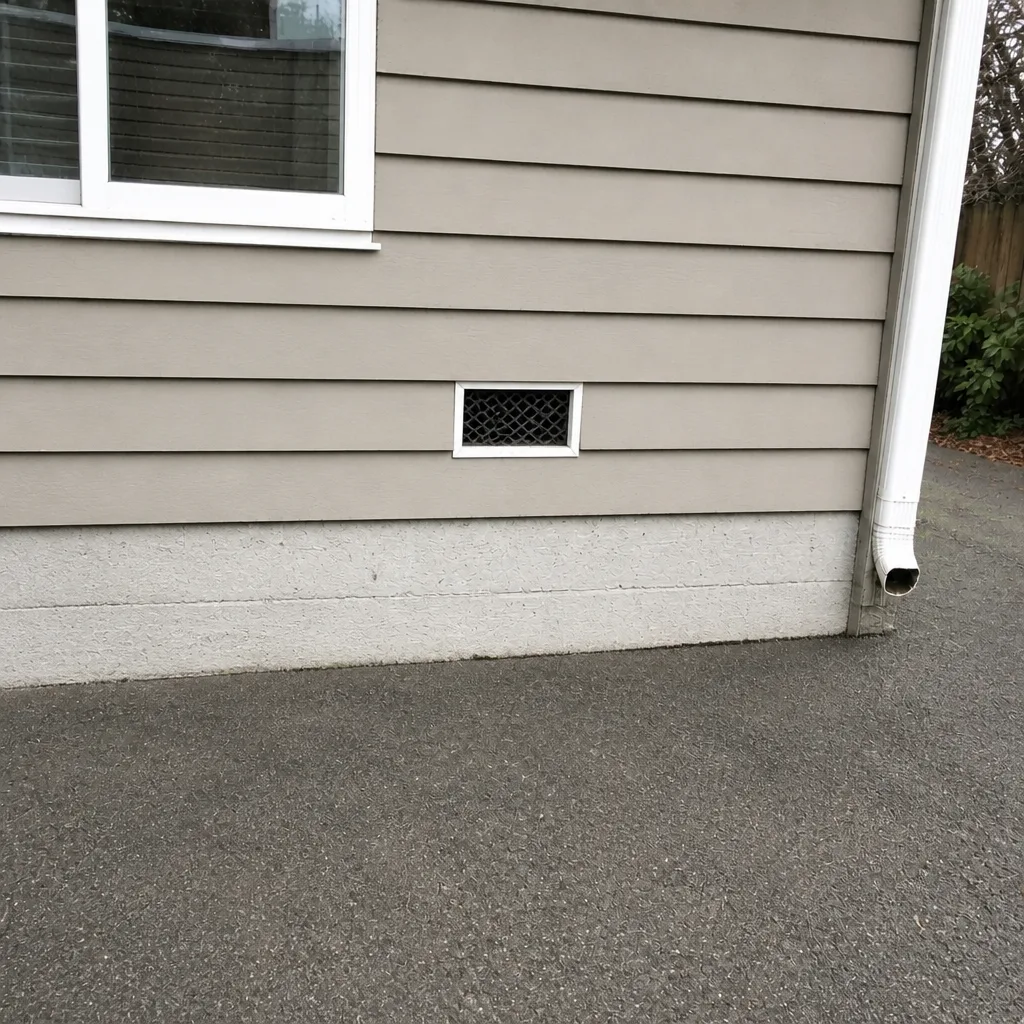 After
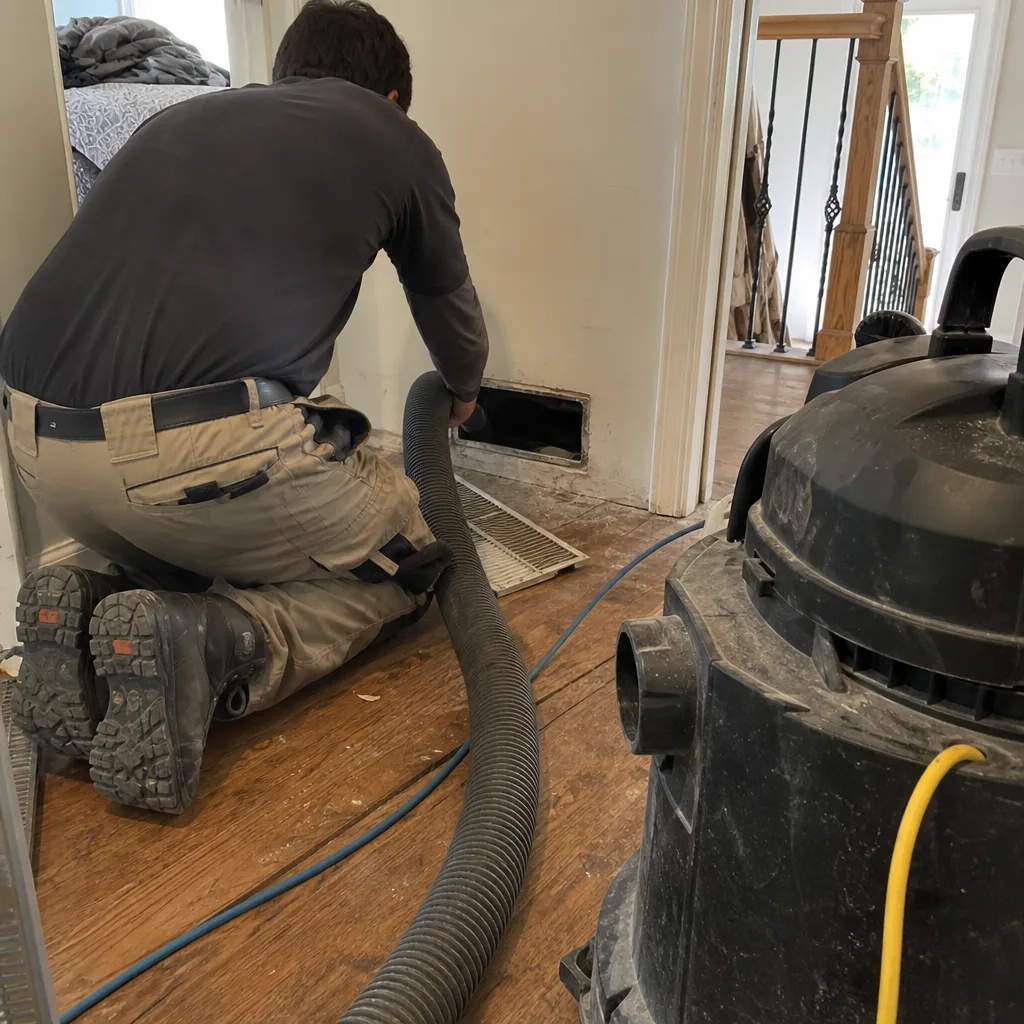 Before
 After
 Before
 After
When to Call a Professional
Call a professional when your system has never been serviced and you’re noticing more dust than usual, when a recent renovation left construction debris in the ducts, or when anyone in the home has allergies or asthma and you want filtration protecting the air during service. Call when your HVAC components need cleaning as part of the job, when you suspect duct leaks or disconnections that need repair and sealing, and when your dryer vent is restricted. And call when the only alternative you’re considering is a door-hanger with a flat price and no equipment specs. Kirkland Air Duct Cleaning Pros offers free estimates in Kirkland. Call (833) 509-3011. We answer 24/7. Fast dispatch from 7am to 7pm, Sunday through Friday.
Frequently Asked Questions
No, because Washington doesn’t require a license to perform air duct cleaning. There’s no state-issued credential to check. Instead, verify equipment and process: ask what cleaning system they use, how they create negative pressure, and whether they bring air-filtration equipment. Those answers are the real vetting in this trade.
What equipment they use, and how they create and maintain negative pressure in your system. That one question separates operators running professional Rotobrush or Nikro systems from those using consumer vacuums that leave debris behind. A contractor who can describe their pressure setup is a specialist; one who can’t isn’t.
Cheap quotes typically skip equipment and process. A very low flat rate often means consumer-grade vacuuming with no filtration and no thorough extraction, and the price grows on-site once the technician arrives. The advertised rate and the final invoice are rarely the same. Call (833) 509-3011 for a free, honest whole-system estimate in writing.
There’s no universal schedule. Homes with pets, allergy sufferers, recent renovations, or a never-serviced HVAC system need it sooner than a well-maintained home without those factors. Have a specialist assess your system and recommend a schedule based on its actual condition, not a sales cycle. Call (833) 509-3011 for an exact quote, and estimates are free.
Ask for before-and-after footage of your own ducts, a written completion report, and a filter recommendation. Those three items together are the evidence. A contractor who provides them is accountable for the outcome. One who doesn’t has left you without proof, which is a problem in its own right.
It should itemize what’s being cleaned (supply and return ducts, HVAC components, and any other air pathways like dryer vents), the cleaning method and equipment, sanitizing scope if included, any duct repair and sealing with costs agreed in writing before they’re added, warranty terms, and the final price per system. If a contractor won’t put it in writing, don’t book.
Not always, and it should. A complete service covers every air pathway in the home, including the dryer vent, which is a documented leading cause of residential fires. Ask specifically whether dryer vent cleaning is included or available. Coordinate it into the same visit so you’re not hiring two companies. For HVAC cleaning alongside the ducts, a specialist can handle both in one service call.
The Bottom Line
Hiring an air duct cleaning contractor in Kirkland comes down to one thing: verify equipment and process before you verify price. Ask the five technical questions, understand what NADCA membership actually signals, treat a written scope as non-negotiable, and expect before-and-after documentation at the end of the job. In a trade with no licensing requirement, those checks are the only real protection you have. A specialist running professional equipment, investing in filtration, and putting scope in writing is worth the call. Call (833) 509-3011. We answer 24/7. Fast dispatch from 7am to 7pm, Sunday through Friday. Estimates are free.
Written by the team at Kirkland Air Duct Cleaning Pros.