
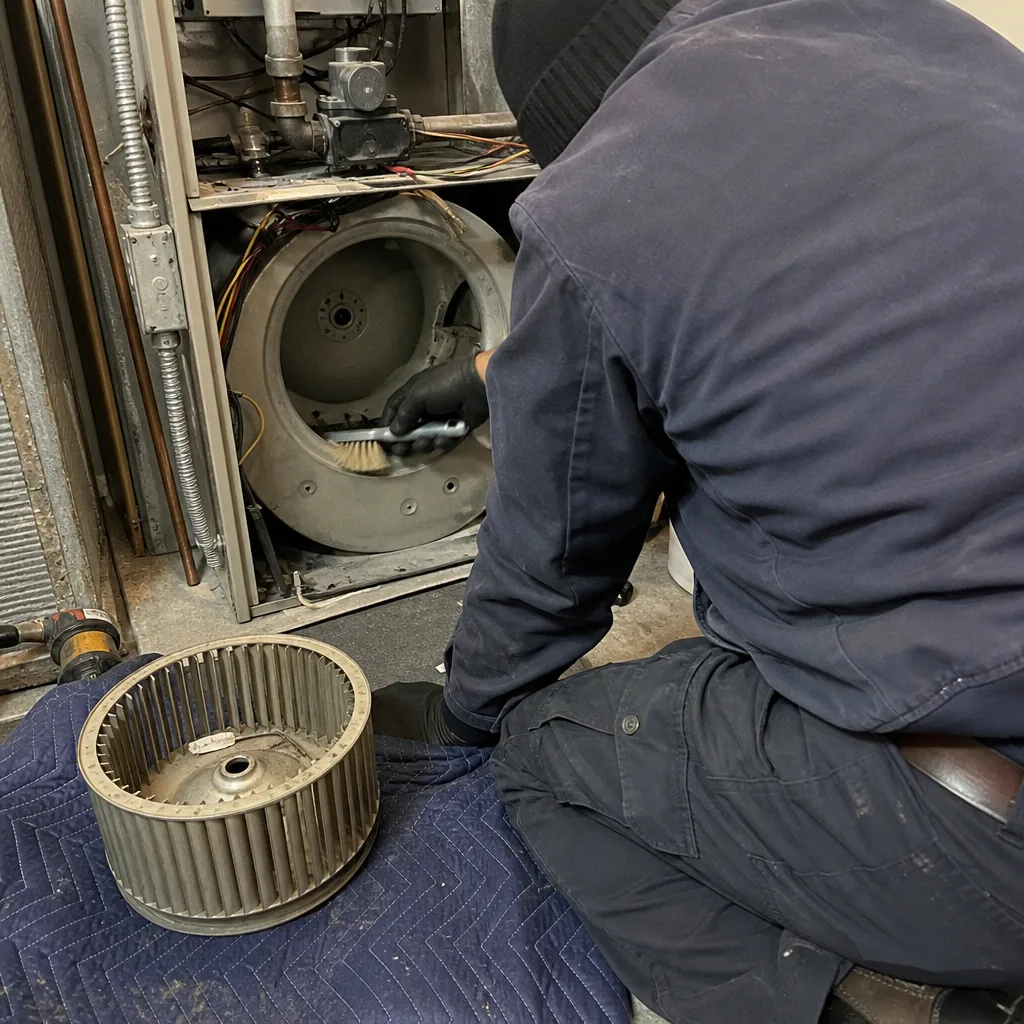
Last updated November 25, 2026
 Whole-home duct cleaning
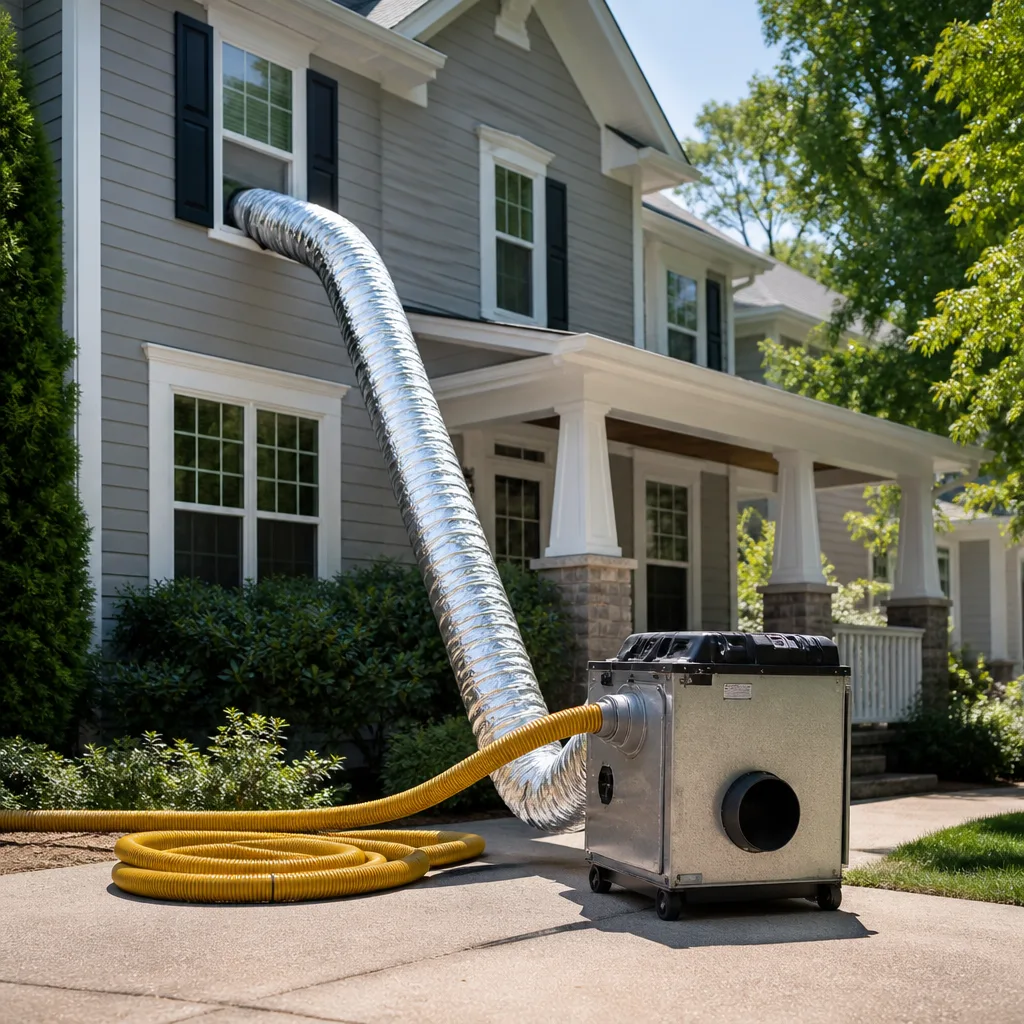
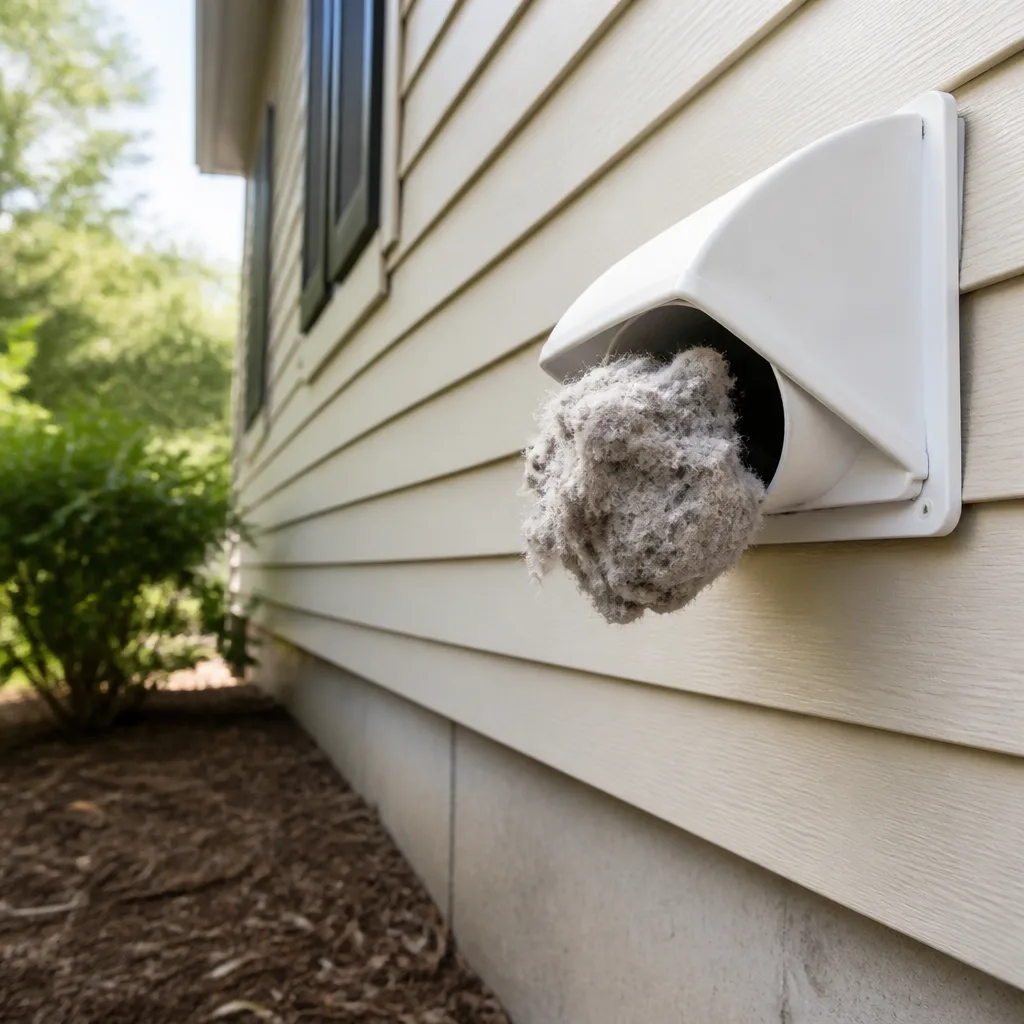 Dryer vent cleaning
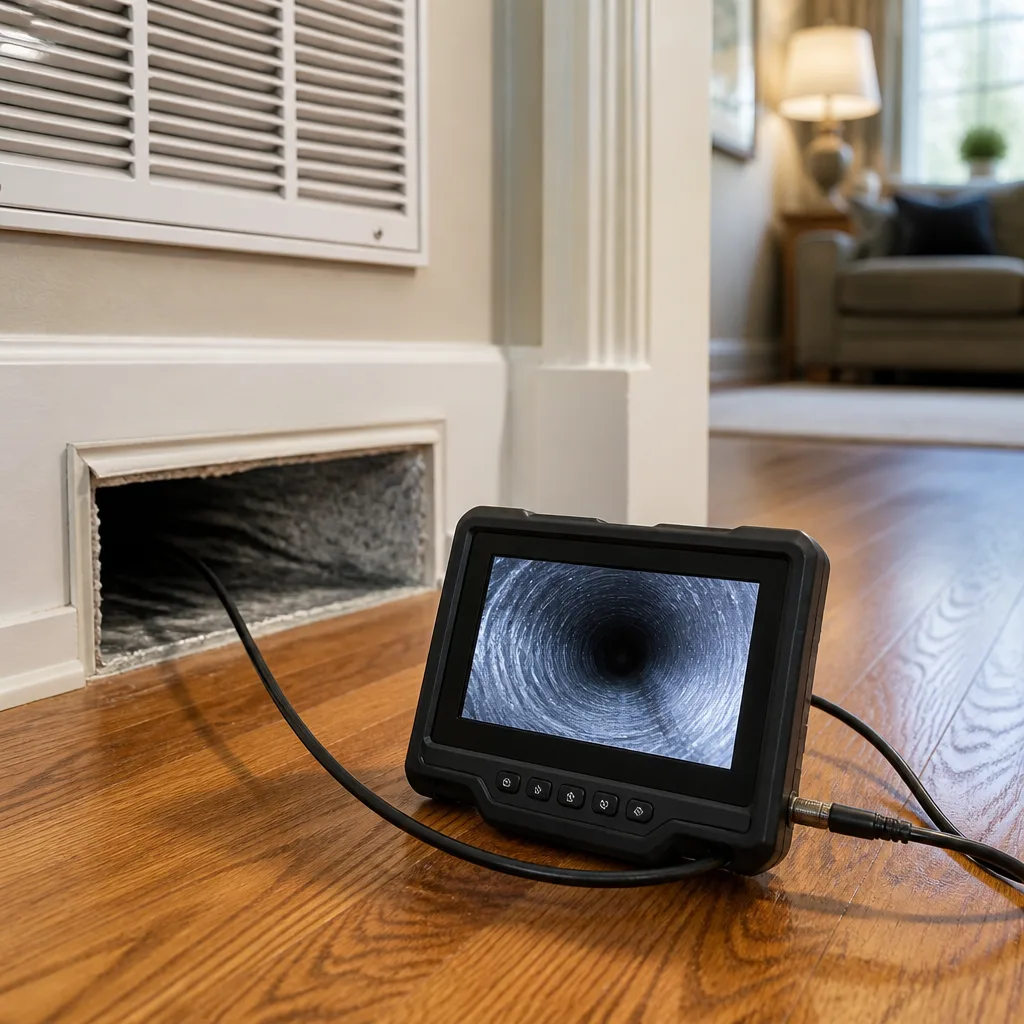 Camera inspection
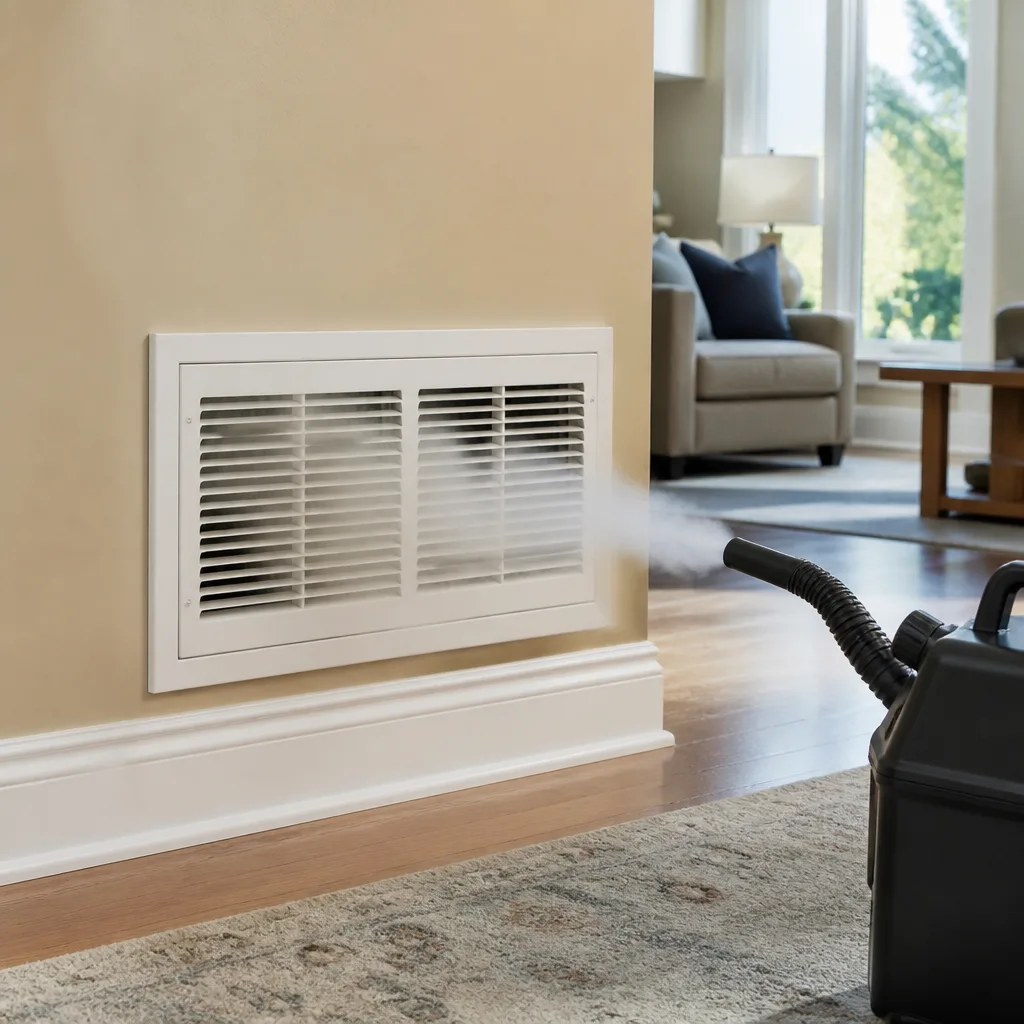 Sanitizing & deodorizing
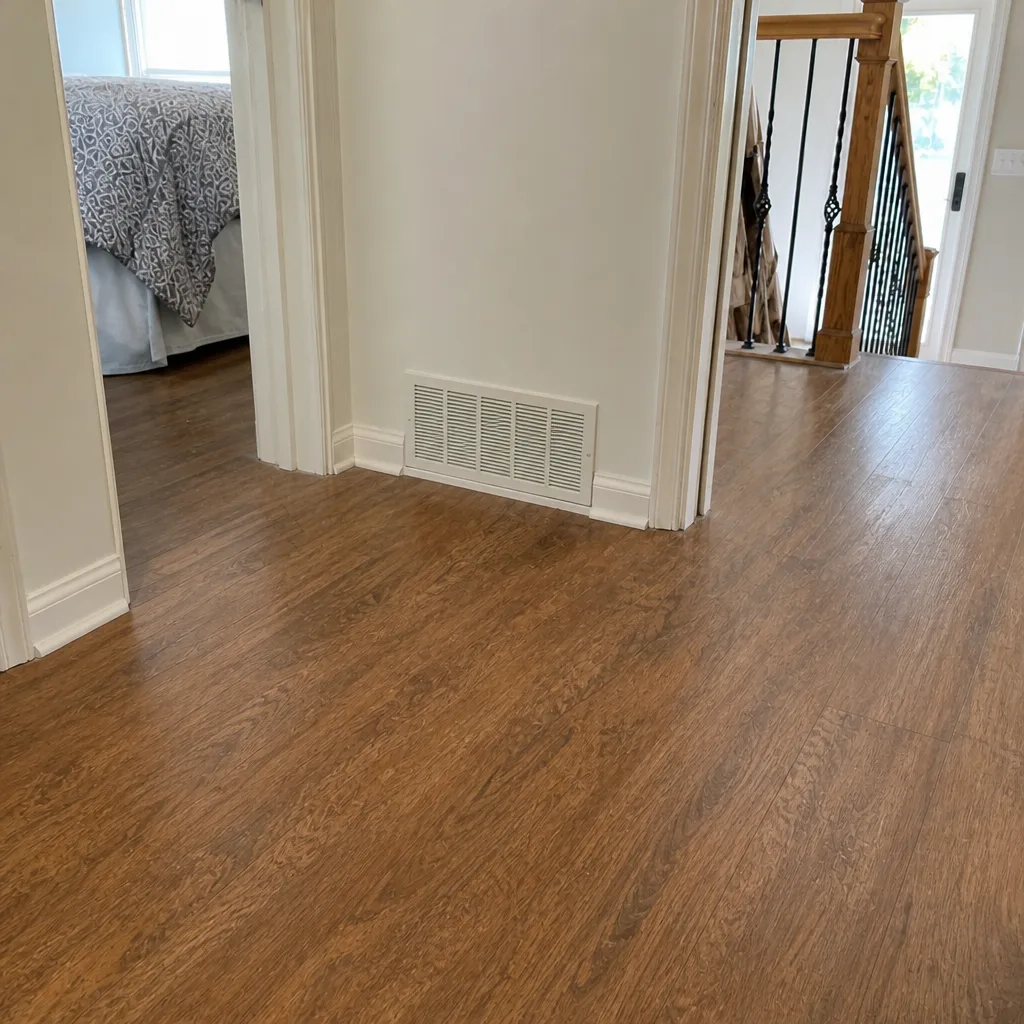
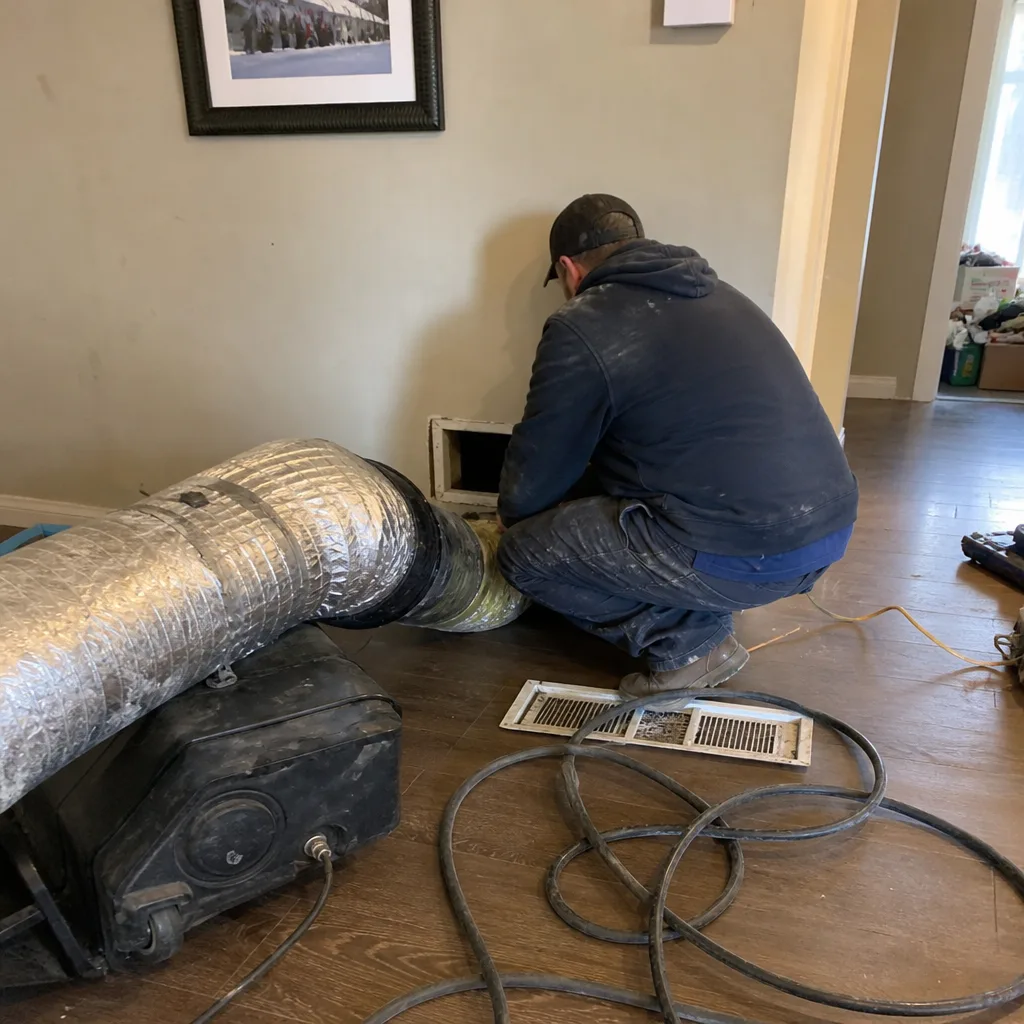
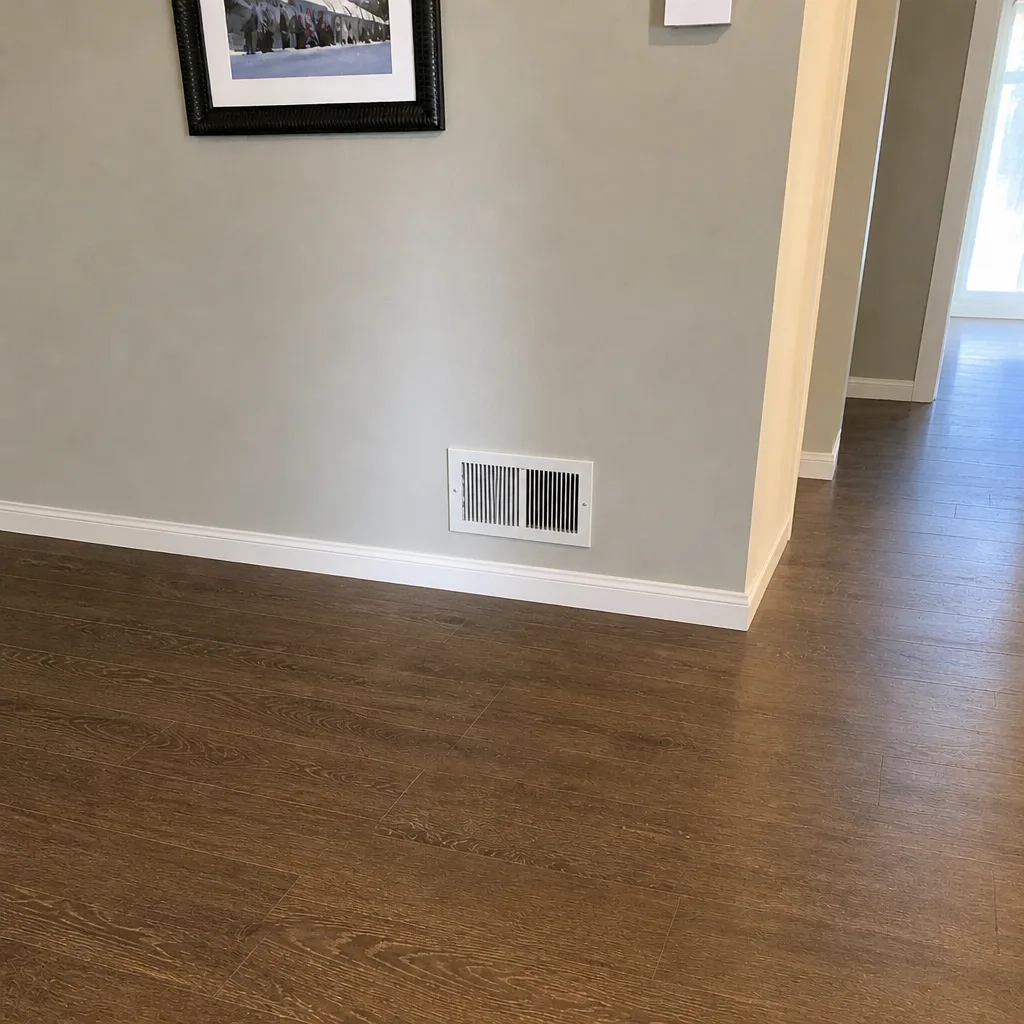
Whole-system duct and dryer vent check with before-and-after photos - you see exactly what came out of your vents
That "$99 whole-house special" is a bait ad - the real number appears once they are in your hallway, or the "clean" is a shop-vac at the register. We photograph the inside of your ducts before and after instead.
Air Duct Cleaning Emergency Preparedness Guide for Kirkland Homes
Most Kirkland households have a plan for the earthquake that shakes the house and the windstorm that takes out the power. Almost none have a plan for what happens to their duct system in the days that follow. The 2020 and 2022 wildfire smoke events pushed King County air quality above AQI 200 for multiple days, and homes with forced-air HVAC running on recirculate were still pulling fine particulate through return leaks, settling PM2.5 directly into duct lining. Here’s how to prepare for that, and for flood water, renovation dust, and every other contamination event Kirkland homes actually face.
Quick Answer
Air duct emergency preparedness in Kirkland means three things: knowing when to shut off your forced-air system during a smoke or flood event, having a filter and inspection plan ready before the event, and documenting your ducts beforehand so insurance and remediation decisions move fast. After any major event, contaminated ductwork needs professional assessment within days, not weeks, because mold can colonize wet duct lining in 48 to 72 hours and smoke particulate bonds to surfaces quickly. Preparation is cheap. Response is not.
Styles & brands we work with
- Whole-home duct cleaning
- Dryer vent cleaning
- Camera inspection
- Sanitizing & deodorizing
Table of Contents
- Wildfire Smoke Protocol for Forced-Air Systems
- Flooding and Water Intrusion: When Cleaning Becomes Emergency Work
- Post-Renovation Contamination and Why Normal Cleaning Intervals Don’t Apply
- Documenting Your Duct System Before an Emergency
- How to Verify Emergency Duct Work in Kirkland
- Kirkland Resources and What to Request in Writing
- Common Mistakes to Avoid
- When to Call a Professional
Wildfire Smoke Protocol for Forced-Air Systems
Wildfire smoke is the most common duct-contamination event in Western Washington, and it’s the one homeowners prepare for least. During a heavy smoke event, the instinct is to seal the house and keep the HVAC running. That instinct is half right. The system can help, but only if you protect it and know when to shut it down.
The core problem is that forced-air systems move air through the same ductwork that supplies your rooms, which means any air the return side pulls in during a smoke event carries fine particulate into the duct lining and the blower compartment. If return ducts have seams, gaps at boots, or loose collar connections, they pull smoke from unconditioned spaces like attics and crawlspaces where outside air leaks in freely. That’s the path that deposits PM2.5 inside the system even when windows are closed.
When to Shut Off the Forced-Air System
Shut down the forced-air system when the local Air Quality Index climbs into the unhealthy range and stays there, when you can see or smell smoke inside the house despite closed windows, or when the outdoor AQI spike is driven by fresh smoke rather than a fading plume. Running a system that’s pulling smoke-contaminated air simply distributes the problem. If you must maintain some air movement for heat or cooling, use a portable HEPA unit in the room you’re occupying and keep the central system off.
Interim Protection: Filter Upgrades
A MERV-13 filter is the common minimum recommendation for smoke protection in a residential system, but the filter only helps when the system is running and when the filter slot is actually sealed. Check three things before fire season:
- Whether your return filter slot is sealed or draws unfiltered bypass air around the filter frame.
- Whether the filter you have is actually rated MERV-13 or is a nominal filter that doesn’t hold up under smoke loading.
- Whether your filter depth and cabinet can accept the upgrade without restricting airflow, because a filter that’s too restrictive for the blower does more harm than good.
Not every Kirkland home’s return cabinet will accept a MERV-13 without airflow tradeoffs. If the filter slot is thin and bypasses air, the upgrade buys you almost nothing. That’s a conversation to have with someone who can look at the cabinet, not a shelf decision.
What Post-Event Duct Inspection Should Cover
Once the smoke clears, the inspection should be looking at what actually landed inside the system, not just the filter. A proper post-event check covers:
- Return duct seams and connections, looking for smoke staining and visible particulate entry points.
- The blower compartment and evaporator coil face, both of which collect smoke film.
- Duct lining condition in any flex or lined sections, because smoke particulate adheres to porous surfaces.
- Supply register faces and boots, which collect the fallout from the return side.
- Filter slot sealing and cabinet condition after the event.
If a smoke event crosses several days, the interior of the system is almost certainly carrying more particulate than a routine filter change removes. That’s when air duct cleaning becomes the smart follow-up rather than a luxury.
Flooding and Water Intrusion: When Cleaning Becomes Emergency Work
Water in ductwork is a different animal from smoke. Smoke coats surfaces; water soaks them and sets a clock running. The 48 to 72 hour mold colonization window in wet duct lining is the single most important number in this guide, and it’s the reason “we’ll deal with it next week” is a bad plan.
Kirkland sits in a wet climate with a long cool season, and homes here are particularly exposed to water intrusion through crawlspace flooding, roof leaks that track into attic duct runs, and plumbing failures that find the lowest point of a basement return. When any of those happen, the duct system can become a substrate for mold growth within days.
Emergency Cleaning vs. Full Duct Replacement
The decision between emergency cleaning and replacement depends on three factors: how much of the duct run got wet, whether the duct is lined or unlined, and whether water sat long enough to allow microbial growth to establish.
- Emergency cleaning is appropriate when water intrusion was caught early, duct surfaces are non-porous or accessible, and there’s no visible or odor evidence of established growth.
- Full replacement becomes necessary when lined or insulated ductwork absorbed water and stayed wet, when porous flex sections show staining or odor, or when microbial growth has moved into the insulation itself, which cannot be effectively cleaned.
- Partial replacement of flex sections is common in crawlspace and attic runs where a small section of duct was the only part submerged or soaked.
The First 72 Hours
- Shut off the forced-air system immediately. Running it pushes humid air and possible spores through every supply register in the house.
- Stop the water source and begin structural drying with airflow and dehumidification.
- Open or disconnect accessible duct sections to allow air movement through the run.
- Get eyes on the duct interior within the first 48 hours, ideally with a camera inspection.
- Decide cleaning versus replacement based on what the interior actually shows, not on how wet the outside of the duct feels.
If a HVAC cleaning quote gets scheduled while the system is still wet, that’s the wrong order. Dry first, then assess, then clean. In our experience, the homes that recover fastest are the ones where someone made a decision on day one instead of day ten.
Post-Renovation Contamination and Why Normal Cleaning Intervals Don’t Apply
A major remodel is an air-quality event whether or not anyone planned for one. Construction dust from a kitchen gut, a bathroom rebuild, or a full main-floor renovation is a completely different material from ordinary household dust, and it has a different composition: fine silica, drywall particulate, sawdust, and adhesive residue. Those particles are smaller, more abrasive, and more likely to travel through a running HVAC system than everyday dust.
Standard cleaning intervals simply don’t apply after a major renovation. If a Kirkland homeowner’s HVAC was serviced two years ago and a full remodel followed, the correct next interval is measured from the end of the remodel, not the last cleaning. A contractor who hasn’t had a renovation since the house was built may think the ducts are clean; they usually aren’t.
Why Construction Dust Is Different
- Drywall particulate is fine enough to bypass common furnace filters and settle inside duct lining.
- Silica from tile, concrete, and stone work is abrasive and hard on blower bearings.
- Sawdust from framing and finish carpentry tends to accumulate at low points and register boots.
- Adhesives and paint aerosols leave a film on blower wheels and coil faces that traps dust.
During a major remodel, the best protection is to seal registers with a temporary cover and either shut down the forced-air system or run it at the lowest setting possible, because a system that’s moving air into the work zone is a system pulling dust into itself. If remodeling has already happened and dust has been running through the system for weeks, the inspection should prioritize the blower compartment and evaporator coil before the ducts, because those are where abrasive particulate does the most damage.
Once the renovation is complete, a professional cleaning is the correct last step, not the first. Cleaning before the last coat of paint goes up means you’ll do it again. Post-renovation cleaning should include the blower and coil face as well as the duct system itself. That’s the point where our scope as a specialist matters: we repair what we find, not just clean around it, which means sealing up the leaks that let construction dust back into the system.
Documenting Your Duct System Before an Emergency
The single best thing a Kirkland homeowner can do before fire season, before a plumbing failure, or before a remodel begins is to photograph and document the duct system while everything is normal. Insurance claims and remediation decisions move faster when there’s a baseline. They stall when there isn’t.
Documentation is not complicated. It’s a project that takes an hour and can save weeks of back and forth later.
What to Capture
- Photograph every visible register and return grille, inside and out, with a phone camera and a date stamp.
- Photograph the HVAC cabinet, filter slot, and filter itself, including the MERV rating on the filter edge.
- Photograph any accessible duct runs in the attic, basement, crawlspace, or utility closet.
- Save the most recent inspection report or cleaning receipt, if you have one.
- Note the type of ductwork in each zone (sheet metal, flex, or lined), because that determines whether wet contamination means cleaning or replacement.
- Keep a simple list of any HVAC upgrades and when they were installed.
Why It Matters for Insurance
After a flood or a fire, an insurance adjuster will want to know the pre-event condition of the system. A folder of dated photos showing dry, clean ductwork and a properly sealed return cabinet is far more persuasive than a homeowner’s memory. If you’ve never had the system professionally inspected, a baseline inspection before an emergency is worth the cost. It creates a record of condition that protects you later.
Kirkland homes in neighborhoods with older housing stock, particularly around Market, Norkirk, and Houghton, often have duct systems that predate the current homeowners and carry undocumented modifications. Photographs of those runs before an event give you something to compare after.
How to Verify Emergency Duct Work in Kirkland
Time pressure is exactly when homeowners get talked into work they didn’t need or work that doesn’t meet code. A few verification habits keep that from happening.
What to Ask Before Work Begins
- Request a written scope that names what will be cleaned, what will be repaired, and what will be replaced.
- Ask whether the technician will be using professional equipment or a rented shop vac. The answer matters.
- Request before-and-after photos of your own ducts, not stock photos.
- Ask what the company will do about sealing any return duct leaks the inspection reveals.
- Confirm that any duct replacement or modification follows current mechanical code for the City of Kirkland, and ask who is responsible for confirming that.
Permits for duct work fall under the City of Kirkland’s building department, and most jurisdictions require a permit for significant duct modifications. A reputable contractor won’t hesitate when you ask. If they’re vague, that’s the signal.
Red Flags
- A price that appears only after the technician is on site with a “we found a problem” story.
- No written scope, only a verbal description.
- Per-vent pricing that changes as the count changes.
- Refusal to provide before-and-after photos of your own system.
- Pressure to approve duct replacement on the spot without any interior inspection.
Our approach is one flat price per system, agreed before work starts, with before-and-after photos of your own ducts. That standard makes sense for any Kirkland homeowner evaluating a bid under time pressure, whether or not they hire us.
Kirkland Resources and What to Request in Writing
Kirkland’s service area, local government, and utility infrastructure all touch an emergency duct event in one way or another. Knowing where to look and what to ask shortens the timeline.
For air-quality alert status during a smoke event, the Puget Sound Clean Air Agency publishes current conditions and forecast guidance. For flood response and water damage, the City of Kirkland’s public works and emergency management pages are the starting point. For duct permit questions, the City of Kirkland building department will confirm whether a proposed repair or modification needs a permit.
What to Request From Any Duct Contractor in Writing
- A written scope of work listing every component to be cleaned, repaired, or replaced.
- The specific equipment to be used (professional duct cleaning systems, HEPA filtration, or both).
- A flat price per system, not a per-vent price.
- The written scope’s commitment to before-and-after photography.
- Whether any duct sealing is included or priced separately.
- Whether sanitizing is included and what products are used.
Kirkland homeowners dealing with a recent event should also ask specifically about air-filtration during service. Contaminants get dislodged when ducts are cleaned, and a filtration unit running inside the home keeps that material out of the living space instead of redistributing it. When we’re on a job, we run Abatement Technologies air-filtration equipment to capture what’s loosened, and we use professional Rotobrush and Nikro systems rather than a shop vac. That’s the equipment standard to ask about.
See the difference
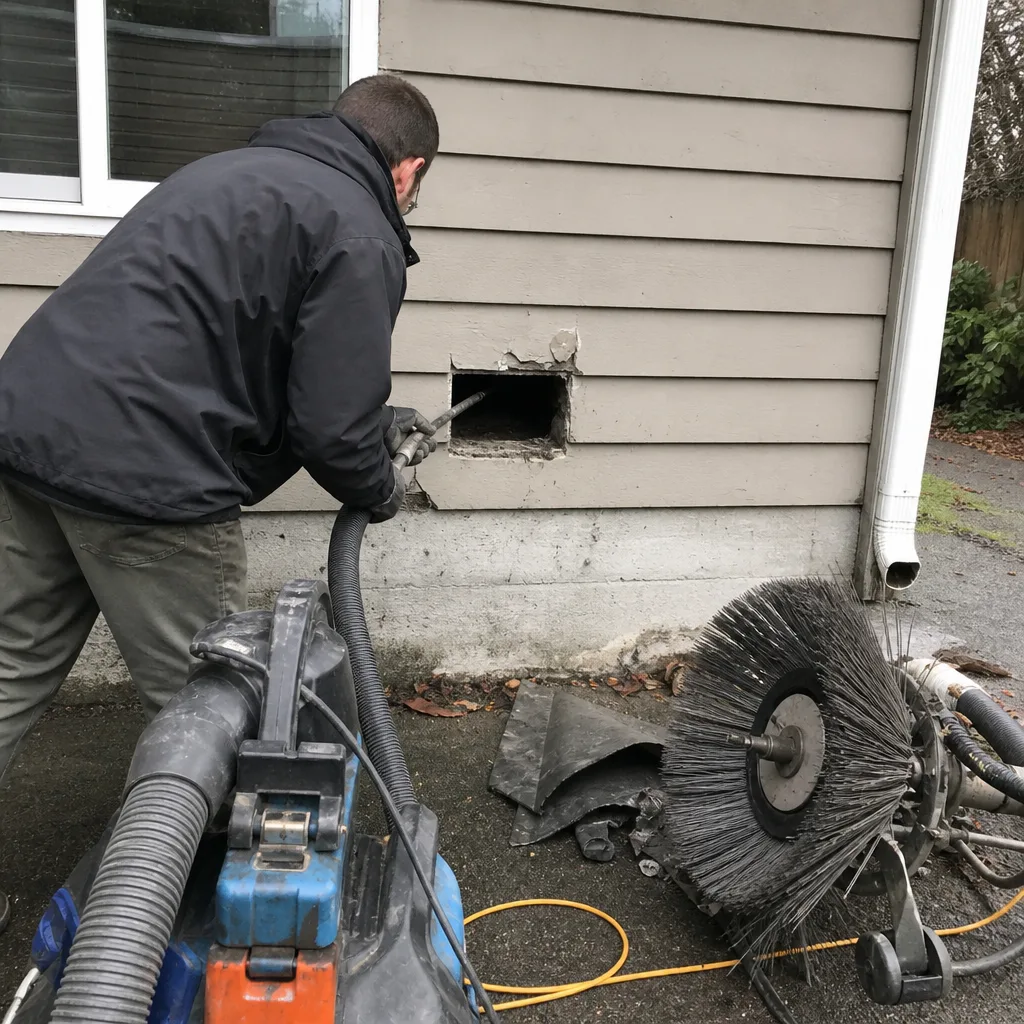 Before
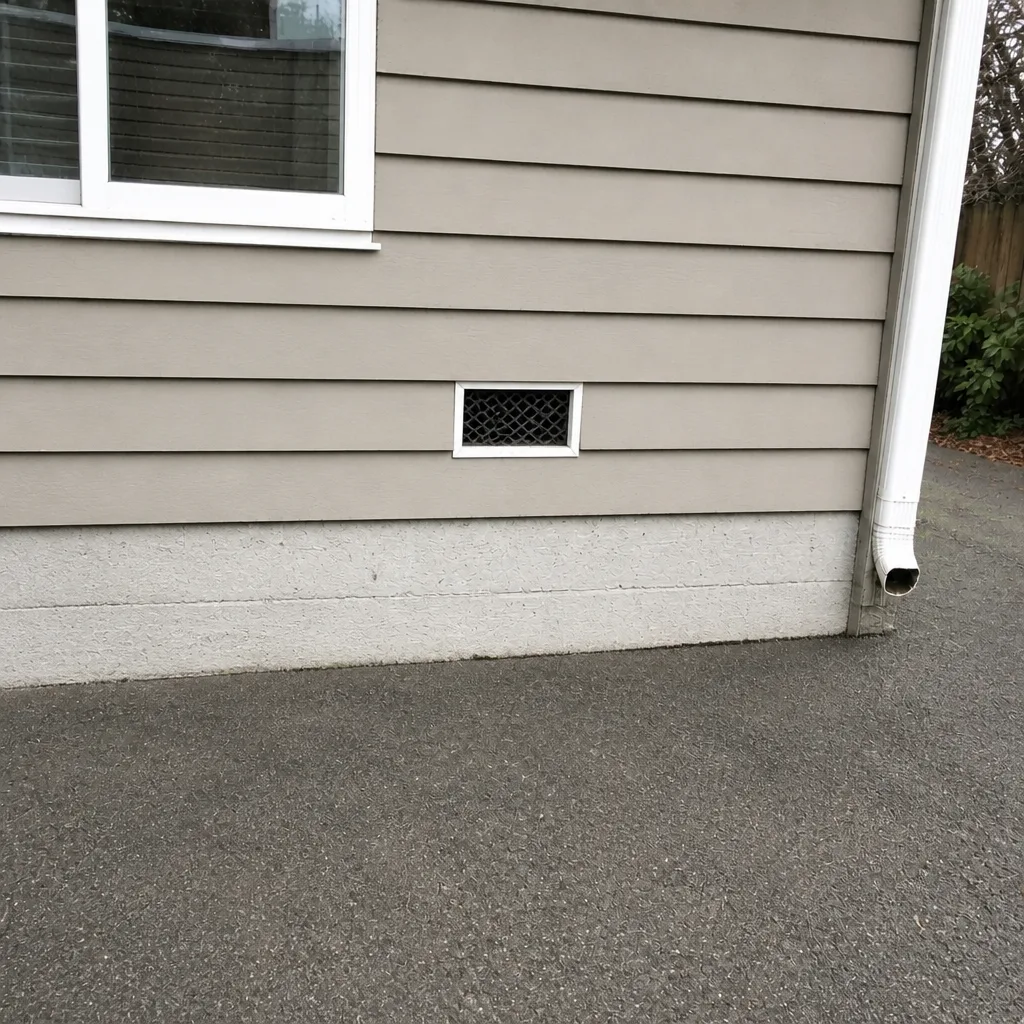 After
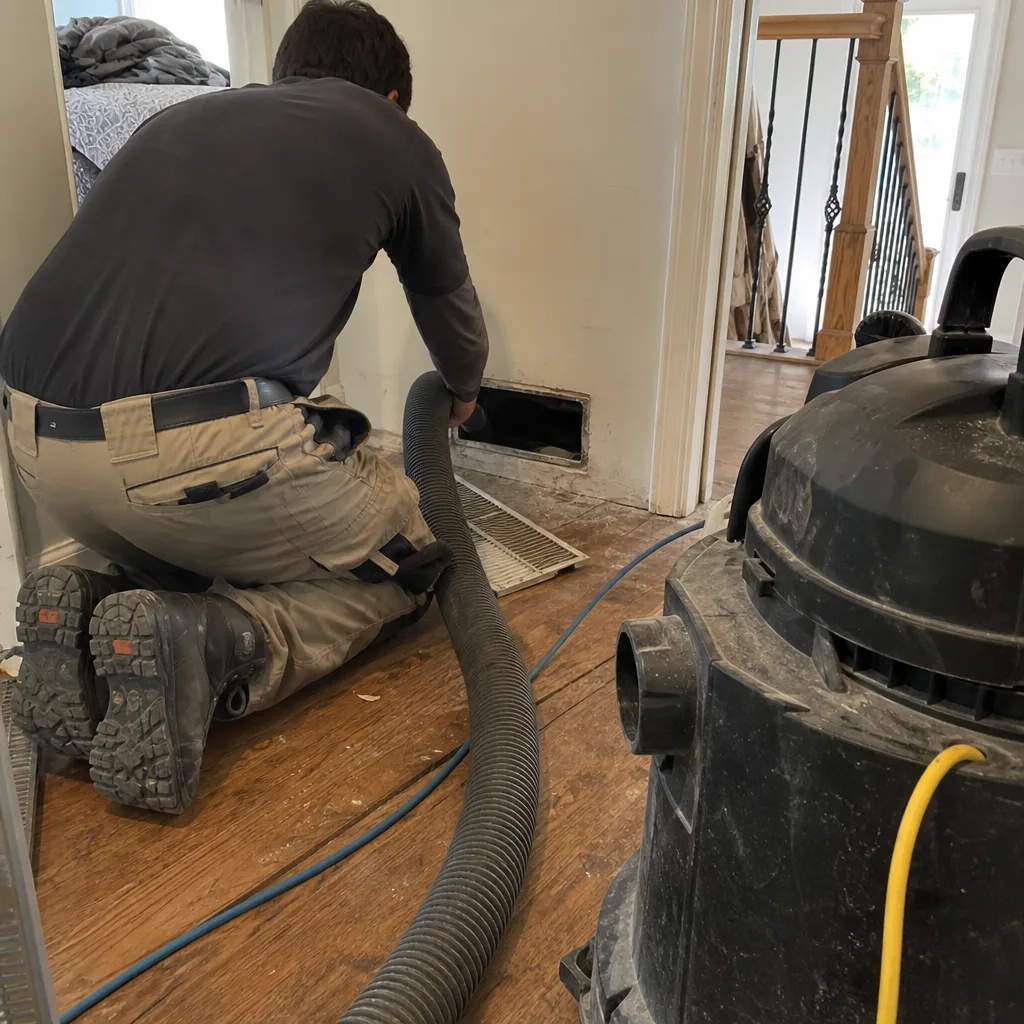 Before
 After
 Before
 After
What Actually Lives Inside Your Ducts
Understanding the contamination is the point of the preparation. Duct interiors in Kirkland homes collect a specific mix of material: fine outdoor particulate (smoke, pollen, road dust), biological material (mold spores, dust mite allergens, pet dander), and mechanical debris (drywall dust from a remodel, fibers from degraded duct lining). The specific mix depends on the home.
Homes with pets, allergy sufferers, young children, or a recently completed renovation carry the highest contamination load, and homes whose HVAC system has never been professionally serviced carry it unnoticed. The equipment difference matters here: a shop vac pulls some material off the surface but leaves fine particulate in the lining. Professional Rotobrush and Nikro systems use contact agitation and high-volume negative pressure to remove it, which is why they’re the platforms commercial contractors rely on. And cleaning alone doesn’t fix an air-loss problem; sealing the leaks that let contaminated air back in is the other half. From intake to exhaust, every air pathway is the scope, including dryer vents, which are a leading cause of residential fires and deserve their own line item on the maintenance calendar.
Sanitizing after cleaning is a separate step, not a substitute for cleaning. Guardsman-grade protective treatments are available as part of a sanitizing scope when microbial concerns warrant it, and Honeywell and Aprilaire products give a home a measurable step up in air quality after the ducts are clean. That’s air quality you can measure, not just claim.
Common Mistakes to Avoid
- Running the forced-air system during a heavy smoke event. A running system pulls smoke through every return leak it has. If the AQI is above 200 and smoke is inside, shut the system down and use a portable HEPA unit instead.
- Waiting past 72 hours on wet ductwork. Mold colonization in wet duct lining can begin within 48 to 72 hours. Waiting a week means the difference between an emergency cleaning and a full replacement.
- Trusting a coupon price with no written scope. The low bid that becomes a large invoice is the oldest trick in the category. Ask for a flat price per system, in writing, before anyone touches your ducts.
- Skipping documentation before a remodel or before fire season. Without pre-event photos, an insurance claim on duct contamination becomes a slow argument. An hour of documentation prevents weeks of friction.
- Assumeing a recent cleaning covers post-renovation contamination. Construction dust is a different material and a different cleaning interval. A system cleaned two years ago and then gutted may be the dirtiest it’s ever been.
- Sealing registers with plastic and never verifying after the remodel. Temporary register covers protect the system during work, but they need to come off and the system needs inspection once the dust settles.
- Accepting “we found mold” without photos. Any duct contractor claiming microbial growth should be able to show you interior photographs. No photos, no approval.
When to Call a Professional
Call a professional after any event that put water into the duct system, after a multi-day wildfire smoke episode that visibly affected indoor air, immediately after a major renovation, or when the HVAC system has never been professionally inspected. Those are the four scenarios where DIY stops and real equipment starts.
Kirkland Air Duct Cleaning Pros offers free estimates in Kirkland. Call (833) 509-3011. We answer 24/7. Fast dispatch from 7am to 7pm, Sunday through Friday. Every estimate is written, every job is one flat price per system agreed before work begins, and every service includes before-and-after photos of your own ducts. If the inspection turns up duct leaks or a return that needs sealing, we repair what we find rather than clean around it. Our technicians have up to 9 years of experience, and every job runs on professional equipment: Rotobrush and Nikro systems, Abatement Technologies air-filtration during service, and Honeywell and Aprilaire products when the right answer is an air-quality upgrade. That scope includes dryer vent cleaning, because a duct-cleaning visit that skips the dryer vent is only half a job.
Frequently Asked Questions
Air duct cleaning in Kirkland typically falls into a range based on system size, the number of zones, whether repairs or sealing are involved, and whether sanitizing is included. A written estimate sets the final price after an inspection. Call (833) 509-3011 for an exact quote; estimates are free. We price per system, not per vent, so the number doesn’t change once the technician is on site.
Cheap quotes are usually per-vent pricing with a low teaser price and a scope that expands once the technician is in the house. A quote that doesn’t include a written scope, equipment details, and before-and-after photos leaves the price open to change. Ask for a flat price per system in writing before you book, from any company. That one question filters out most of the problem quotes.
Yes, if the smoke event lasted several days and pushed outdoor AQI into the unhealthy range, because fine particulate settles into duct lining and coil faces even with windows closed. A professional inspection confirms what actually needs cleaning. Call (833) 509-3011 for a free estimate after any major smoke event in Kirkland.
You know because you request and receive before-and-after photos of your own ducts. That’s the standard for any legitimate duct cleaning company, and it’s the one thing that separates real work from a bill. If a company won’t provide photos, that’s your answer. Call (833) 509-3011 and every estimate we write includes that commitment.
For most Kirkland homes, a professional inspection every few years is reasonable, but event-driven cleaning resets the clock. After a wildfire smoke event, a flood, or a major renovation, cleaning should happen once the event settles, regardless of when the last cleaning took place. Homes with pets, allergy sufferers, or young children benefit from more frequent inspection.
We answer 24/7. A call outside dispatch hours is booked into the next opening, Sunday through Friday, 7am to 7pm. Fast dispatch from 7am to 7pm keeps scheduled work moving through the week; we’re closed on Saturday and don’t run Saturday dispatch. If a duct failure happens on a Saturday, call and we’ll book the next opening.
The Bottom Line
Kirkland homeowners are good at preparing for the earthquake and the windstorm. The smoke event, the plumbing failure, and the remodel are the ones nobody plans for, and they’re the events that put contamination into the duct system. The protocol is simple. Shut off the forced-air system when indoor air is compromised. Filter up to MERV-13 for smoke, but only if the cabinet supports it. Treat wet ductwork as a 48 to 72 hour emergency. Reset the cleaning interval after every renovation. Document the system before anything happens. And when a real event lands, get a written scope, a flat price per system, and before-and-after photos before anyone touches your ducts. Everything we’ve covered here starts with one honest inspection from Kirkland Air Duct Cleaning Pros.
Call (833) 509-3011. We answer 24/7. Fast dispatch from 7am to 7pm, Sunday through Friday. Estimates are free, the written scope sets the price, and every job includes before-and-after photos of your own ducts.
Written by the team at Kirkland Air Duct Cleaning Pros.