
Last updated November 25, 2026
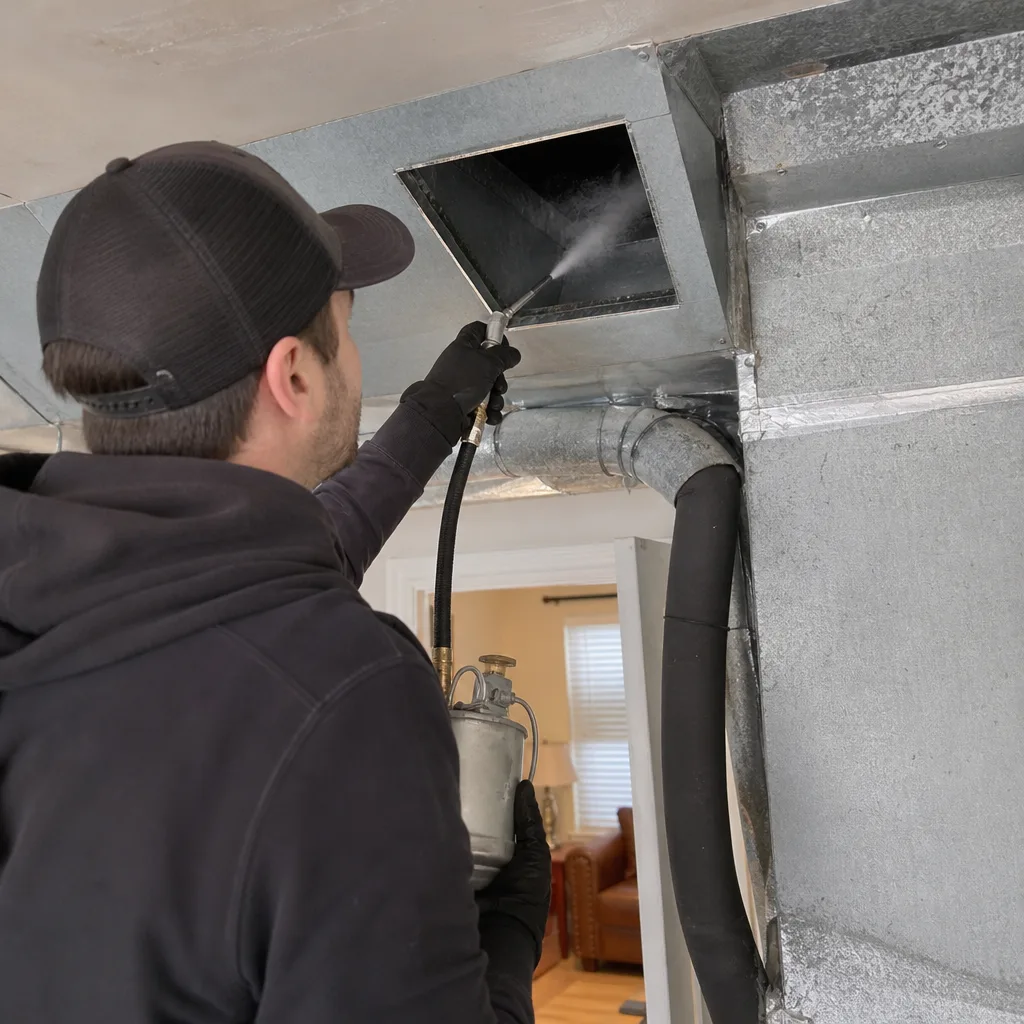
 Whole-home duct cleaning
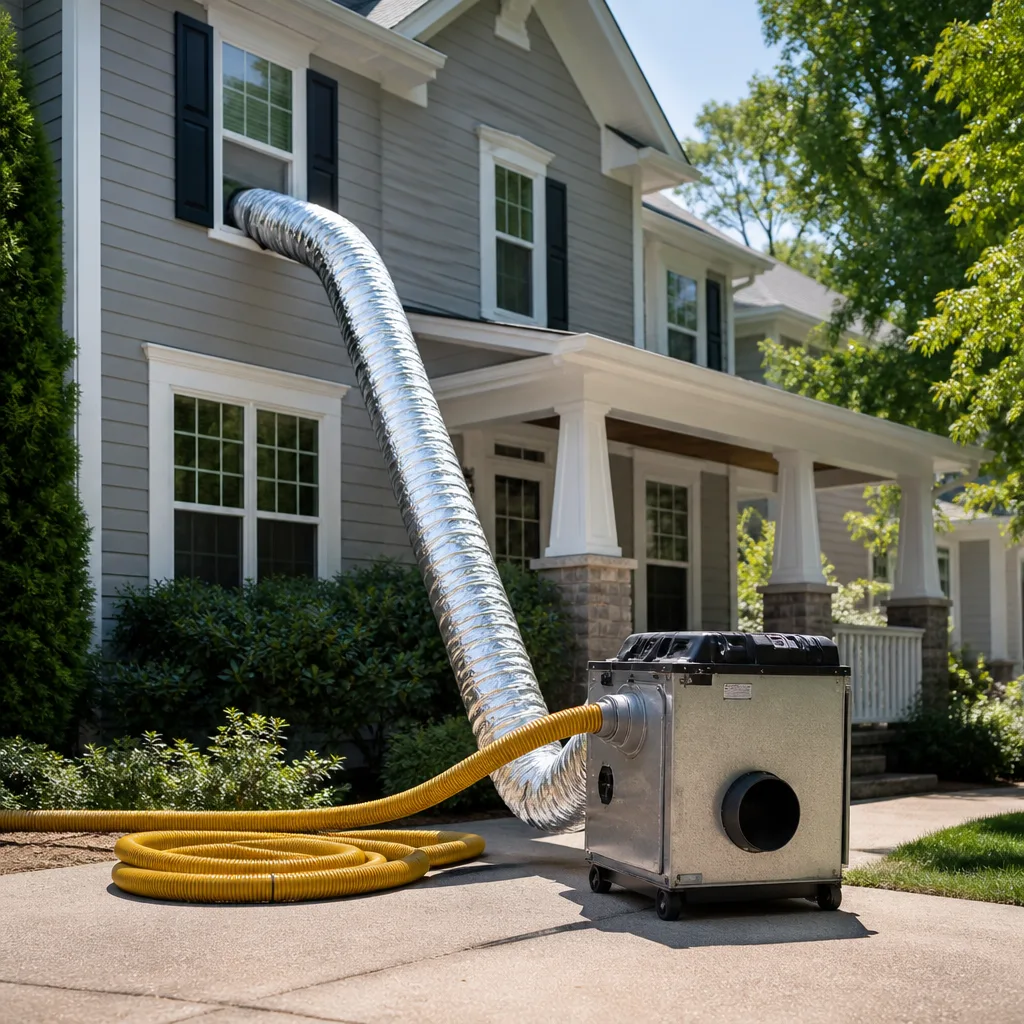
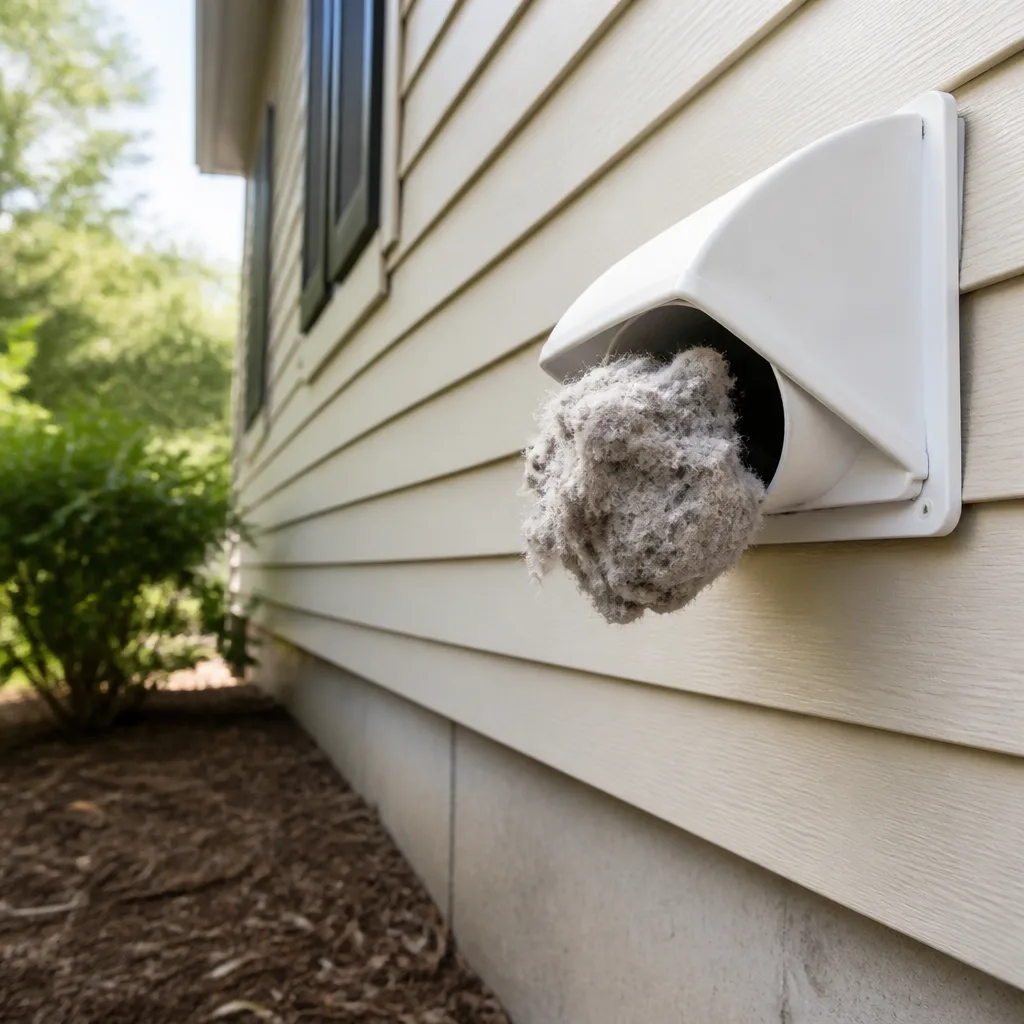 Dryer vent cleaning
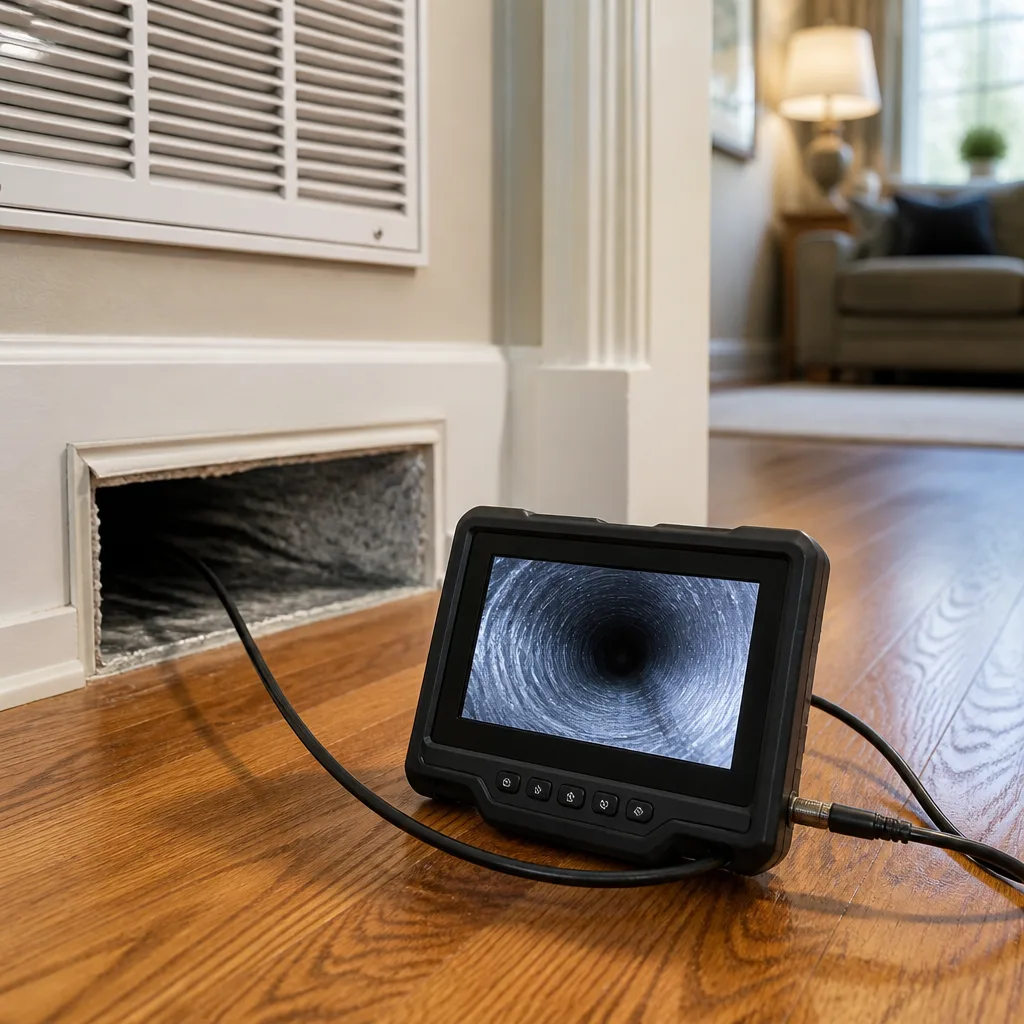 Camera inspection
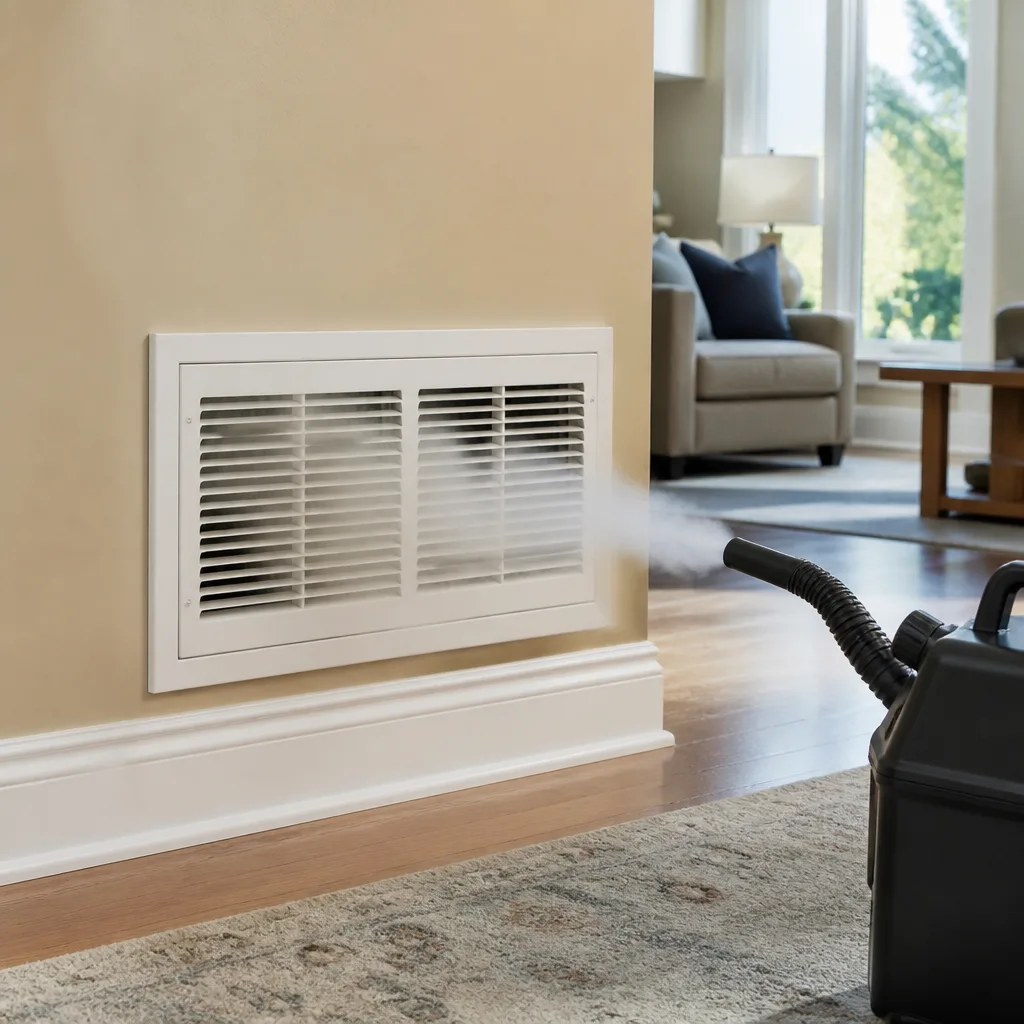 Sanitizing & deodorizing
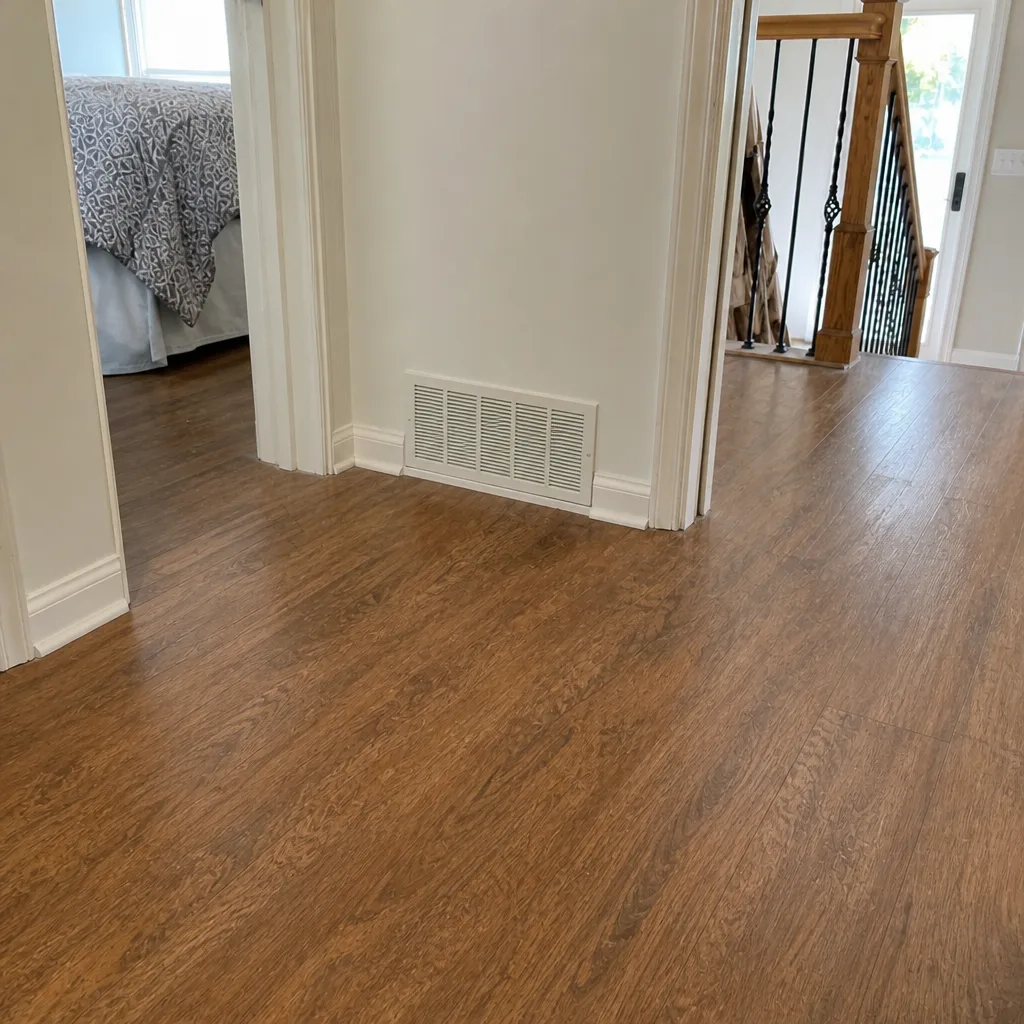
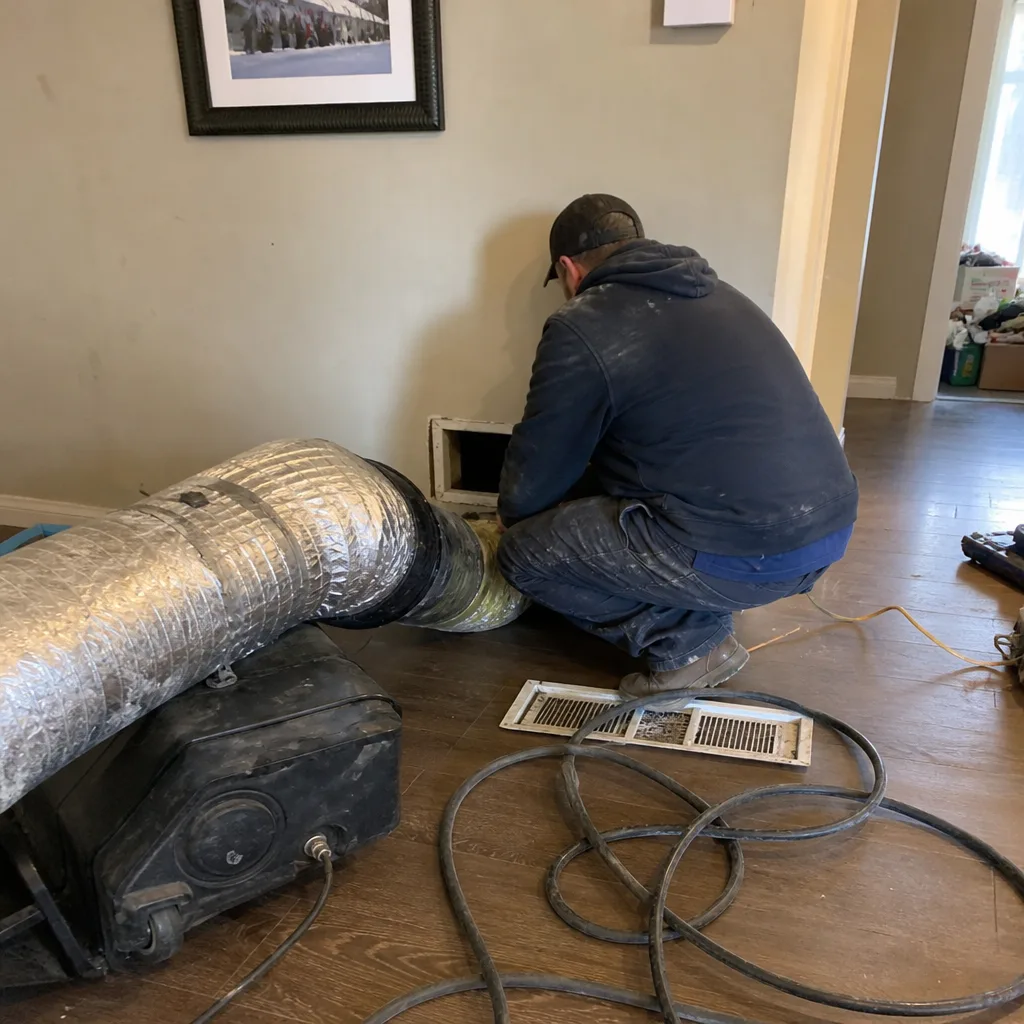
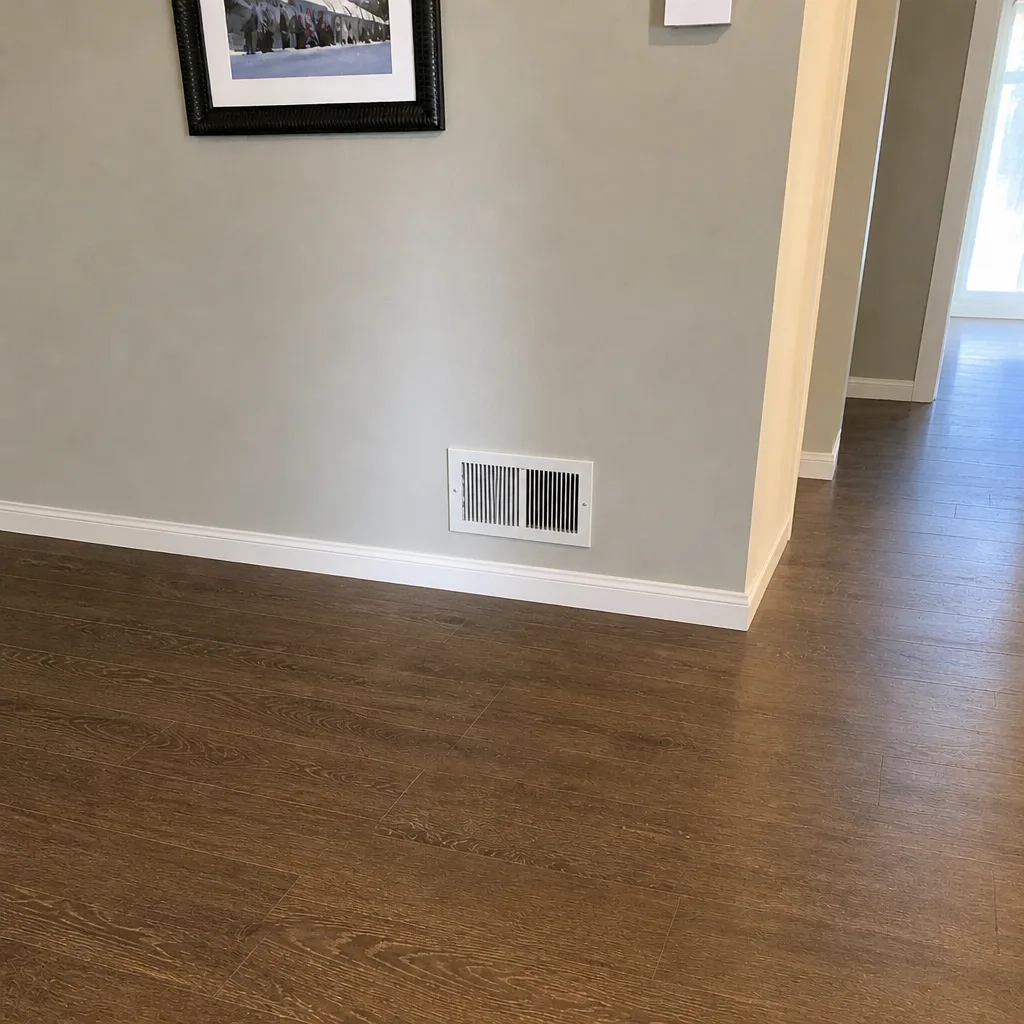
Whole-system duct and dryer vent check with before-and-after photos - you see exactly what came out of your vents
That "$99 whole-house special" is a bait ad - the real number appears once they are in your hallway, or the "clean" is a shop-vac at the register. We photograph the inside of your ducts before and after instead.
Air Duct Cleaning Warning Signs: A Kirkland Homeowner’s Reference Guide
Most guides to duct warning signs point you toward the obvious: visible mold, a puff of dust when the furnace kicks on, a register that looks gray and fuzzy. Those are real signs, but by the time you see them the problem has usually been building for years. The subtler signals are the ones that actually save homeowners money, and they show up in how the system behaves rather than what it looks like. This guide walks through the warning signs specific to Kirkland homes, from the airflow patterns that reveal a blockage to the odor signatures that tell you whether you’re smelling biological growth or burning dust. You’ll also learn when cleaning alone won’t fix the problem and repair or replacement is the honest answer.
Quick Answer
The main warning signs of dirty or failing air ducts in a Kirkland home are uneven airflow between rooms, musty or chemical odors from registers, HVAC run cycles that have gotten longer than they used to be, filters that load up much faster than expected, and unusual blower motor noise. Visible dust or mold is a sign the problem is already advanced. If you notice several of these together, get the system inspected rather than guessing.
Styles & brands we work with
- Whole-home duct cleaning
- Dryer vent cleaning
- Camera inspection
- Sanitizing & deodorizing
Table of Contents
- Airflow Asymmetry: The Room-by-Room Hand Test
- Odor Signatures: What Each Smell Tells You
- Warning Signs in Kirkland’s Older Housing Stock
- HVAC Performance Metrics as Indirect Duct Indicators
- When Cleaning Isn’t Enough: Signs You Need Repair
- Why Kirkland’s Damp Season Makes Things Worse
- A Step-by-Step Home Inspection You Can Do Yourself
- Common Mistakes to Avoid
Airflow Asymmetry: The Room-by-Room Hand Test
Airflow asymmetry is the name we give to a simple observation: some registers push a strong, steady stream of air and others barely move a tissue. Every forced-air system has some variation, especially with runs of different lengths, but a house where one bedroom blasts and the room next door limps along usually has debris, a crushed flex run, or a disconnected joint in the ducts feeding the weak zone. You don’t need tools to check this. A hand test, done the same way in every room, tells you more than any single gauge reading.
Here’s how to run the hand test in a way that actually means something:
- Set the thermostat to fan-on so the blower runs continuously without heating or cooling kicking in and out.
- Go to each supply register with your hand held about six inches away and hold it there for a full ten seconds. Don’t move on until you’ve felt the flow settle.
- Note whether the flow is strong and even, weak but steady, weak and pulsing, or basically nothing. Write it down room by room.
- Repeat at each return register. Returns should feel strong; a weak return is often the most overlooked sign of a clogged system.
- Look at the pattern across your notes. If the weak zones cluster at the end of a trunk line or in a specific wing, that points to one section of ducting, not the whole system.
Pulsing airflow is worth extra attention. A register that pulses in rhythm with the blower can mean a partially collapsed flex duct, a loose joint that opens and closes with pressure, or a blower that’s struggling against a restriction. That’s the point where we usually recommend an inspection with actual airflow measurement, not just a visual walk-through. In our work around Kirkland, we see pulsing most often in homes where flex duct runs have been routed through tight joist bays and sagged over time, and the sag itself becomes the blockage. The pattern you note from the hand test tells a technician exactly where to go first, which is why it’s worth the ten minutes.
Odor Signatures: What Each Smell Tells You
Odors are the most ignored duct warning sign, and they’re some of the most useful. You can learn to read three different smell families and what each signals about what’s actually growing or accumulating inside the system. The nose is a surprisingly accurate instrument if you know what you’re smelling and when you’re smelling it.
- Musty, damp-basement smell. This points to biological growth, usually in the return ducts, the duct liner, or the evaporator coil area. A musty smell that’s strongest at the returns and drifts into rooms without a return in them is a strong signal that the growth is upstream of the living space.
- Burning dust smell. The classic “first heat season” smell. When dust and debris settle on the heat exchanger over summer, the first heat cycle of fall burns it off. A day or two of that smell is normal. A smell that persists past the first week of heating season means the buildup is deeper than a single season’s worth, and it’s worth inspecting.
- Chemical or off-gas smell. This is the one people misread. A chemical smell, thin and sharp rather than earthy, often traces to degradation of duct sealant, flex duct materials, or a combustion byproduct finding its way into the return air. If it appears near the furnace or water heater and never quite goes away, get the system checked promptly and treat it as a safety issue rather than a comfort complaint.
One practical trick: sniff near the return grille first thing in the morning, before the system has run for the day. Overnight stagnation concentrates the odor, and that first-morning smell is often the clearest read you’ll get. The difference between musty and chemical matters because it tells a technician whether to look for biological growth or a materials or safety problem. Around Kirkland, where many homes sit near mature evergreens and hold moisture through the wet season, the musty signature is by far the one we field the most calls about. An air duct cleaning visit combined with sanitizing often resolves it, but only after the source of moisture is found and addressed.
Warning Signs in Kirkland’s Older Housing Stock
Kirkland has a lot of homes built between the 1960s and the 1980s, and those homes carry duct problems that newer construction simply doesn’t have. The materials and methods of that era age in predictable ways, and knowing what to look for helps you separate ordinary dust from a material problem that cleaning won’t solve.
Three patterns show up again and again in Kirkland homes of that vintage:
- Fiberglass duct liner degradation. Many systems from this era were lined inside with fiberglass for noise reduction and insulation. After decades of airflow, that liner can fray, delaminate, and shed fibers into the airstream. If you find fine glassy fibers on a return grille or in a filter, that’s a material failure, not just dirt. Cleaning alone doesn’t fix it; the liner needs to be repaired or replaced.
- Flex duct sagging. Flexible duct was common in retrofits and additions through the 1980s. It sags where it isn’t supported, and a sag becomes a trap where debris collects and air slows. Undersupported runs in attic spaces over Kirkland’s wet winters also take on moisture. If you can see your flex runs, look for bellies that hang below their supports.
- Asbestos-era duct board. Rigid duct board was sometimes used from the late 1960s through the early 1980s. If you suspect duct board in a Kirkland home of this age, have it identified before anyone cuts into or aggressively cleans it. Most jurisdictions require a licensed asbestos professional to test and handle suspect material, so ask before assuming. This is a genuine safety point, not a scare tactic.
The honest takeaway: older Kirkland homes are more likely to need duct repair and sealing alongside cleaning. We repair what we find, not just clean around it, which matters most on homes built in the decades when duct materials were at their most varied. An inspection that includes looking at the duct materials themselves, not just the dust load, is the right first step.
HVAC Performance Metrics as Indirect Duct Indicators
Some of the clearest duct warning signs live in your heating and cooling system’s behavior rather than the ducts themselves. When ducts are restricted or leaking, the system has to work harder, and that strain shows up in measurable ways. You don’t need a full diagnostic to notice several of these, and noticing them is what gets a homeowner to call instead of waiting for a breakdown.
- Filter loading rate. If you used to change the filter every three months and now you’re changing it every few weeks, the system is moving more debris than before. Faster filter loading is one of the most reliable early signals of duct debris accumulation.
- Longer run cycles. A system that used to heat or cool a room in ten minutes and now takes twenty is telling you it can’t move air as efficiently. That’s a classic airflow-restriction symptom, and it’s the one homeowners notice first on the utility bill.
- Static pressure changes. This is the one a technician measures properly. High static pressure means the blower is pushing against resistance, and in most residential systems that resistance is ducting that’s undersized, crushed, or full of debris. You can’t read static pressure without a gauge, but an inspection will.
- Blower motor strain sounds. A blower that hums louder than it used to, or makes a labored sound on startup, is working against something. Combine a strained blower with a faster-loading filter and longer run cycles, and you have a clear picture of a system that’s losing airflow.
These signals point at the ducts, but they don’t prove it, so the right approach is to look at the whole system before spending money. If you’re noticing several of them together, a HVAC cleaning inspection looks at the blower, coil, and ductwork as one system and identifies where the restriction actually is. Our technicians have up to 9 years of experience reading exactly these patterns and separating equipment problems from airflow problems, which is the difference between fixing the cause and replacing parts that weren’t the issue.
When Cleaning Isn’t Enough: Signs You Need Repair
Here’s the part most duct-cleaning articles skip: sometimes the right answer is repair or replacement, not cleaning. Pushing a cleaning on a system that has structural duct problems wastes money and leaves the underlying air-loss issue in place. We’d rather tell you when cleaning won’t solve it than take the job and hand back a problem.
Watch for these signs that point past cleaning:
- Ducts visibly separated at joints or taped sections that have come undone. Every gap leaks conditioned air into the attic or crawl space and can also draw contaminants in.
- Crushed or kinked flex runs that stop airflow at a specific point. Cleaning can’t open a crushed run; the section has to be replaced.
- Fiberglass liner shedding fibers as described above. That’s a materials problem, not a dirt problem.
- Rodent or pest entry, especially in attic and crawl space runs. Cleaning removes the debris, but the entry points need sealing or the problem returns.
- Duct board that predates the mid-1970s and may have been tested for asbestos. That’s an identification step before any service.
- Pressure imbalance between supply and return after cleaning. If a system still pulls return air from a crawl space after cleaning, the ducts need sealing, not another pass with the vacuum.
When we find these, the fix is Duct Repair & Sealing, which addresses the root cause of air loss and contamination entry rather than surface buildup. That capability is the reason we can do a single visit that cleans, repairs, and seals instead of handing you off to another vendor. From intake to exhaust, every air pathway is covered by one company, so the diagnosis and the fix stay in the same qualified hands.
Why Kirkland’s Damp Season Makes Things Worse
Kirkland’s climate is mild and wet for much of the year, and that’s not incidental to duct problems. Humidity in the air that reaches your return ducts and duct liner is what feeds the musty smell and biological growth described earlier. Homes near the water and under dense tree cover around Kirkland tend to run damper inside than homes on the drier ridges, and the duct system reflects that. Attic ducts that take on condensation during the wet months are especially vulnerable.
The seasonal pattern most Kirkland homeowners notice runs like this: the musty smell is strongest in late winter and early spring after months of closed windows, then fades in summer as the house dries out. Because it fades, it gets forgotten, and the growth it signaled is still there the next winter. The second pattern is the fall startup smell, when the first heat cycle of the season burns off summer dust. That smell is a normal startup signal, but a smell that returns every week through the heating season points to deeper buildup or a liner problem. If a musty smell persists after a dry stretch, that’s the clearest sign it’s coming from inside the system rather than the air.
Our approach handles this weather-driven problem directly. We use professional Rotobrush and Nikro systems rather than a shop vac, and we run Abatement Technologies air-filtration equipment during service so the contaminants we dislodge are captured inside the home instead of recirculating through it. After cleaning, we often recommend a Honeywell or Aprilaire solution to help manage humidity and air quality, because in a Kirkland climate the source of the moisture is what keeps the problem coming back.
A Step-by-Step Home Inspection You Can Do Yourself
You can check most of the warning signs on this guide yourself without tools, and doing so gives you a written record that makes a professional inspection faster and more useful. None of these steps involve opening equipment, cutting into ducts, or touching electrical components. Work from your own observations and let a trained professional handle anything inside the system.
- Filter check. Look at your filter, note how dirty it is and when you last changed it. A filter that’s loading fast is your first data point.
- Register hand test. Do the ten-second hand test at every supply and return, and write down the result for each room.
- Odor check. Sniff each return and the room air first thing in the morning and classify the smell as musty, burning dust, or chemical.
- Register and grille look. With a flashlight, look at each register for dust buildup, fibers, or stains. Note any that are notably worse than the rest.
- Visible duct check. If ducts are accessible in the attic or crawl space, look for separated joints, sagging flex, or stains. Don’t touch suspect duct board; note it and ask a professional.
- System behavior notes. Record how long your system runs to reach the set temperature and whether that’s changed, plus any new blower sounds.
- Log it. Keep the notes. A written record of the pattern is the most useful thing you can hand a technician, and it saves time and money.
No step here should involve opening the furnace cabinet or the electrical panel. Those involve line voltage, gas connections, or high-temperature components and belong to a trained professional. If you suspect a gas smell at any point, leave the affected area and call your gas utility, not a duct company.
Common Mistakes to Avoid
- Assuming the problem is the furnace. Longer run cycles and higher bills often get blamed on aging equipment, when the actual cause is restricted airflow. Have the ducts checked before you price a new system.
- Chasing the cheapest cleaning bid. In Kirkland as anywhere, a low headline price often becomes a much larger invoice once the technician is on site. Ask for one flat price per system, agreed before work starts, and before-and-after photos of your own ducts.
- Cleaning without sealing. Cleaning a duct system with open joints or pest entry points removes debris but leaves the pathway open. Sealing is what keeps the result in place.
- Ignoring a persistent musty smell. A smell that fades in summer hasn’t gone away, and cleaning without addressing the moisture source doesn’t fix it. Treat the source, not the symptom.
- Cutting into suspect duct board. Older duct board may contain asbestos-era material. Have it identified before any service, and don’t cut it yourself.
- Relying on a rental vacuum or a shop vac. Consumer vacuums don’t have the suction or containment to pull deep debris, and running one through your system can push more into the air than it removes. The difference is the equipment.
- Skipping the dryer vent. Dryer vents are a leading cause of residential fires, and they’re one of the most overlooked air pathways in the house. If you’re booking a duct service, include the dryer vent in the same inspection.
See the difference
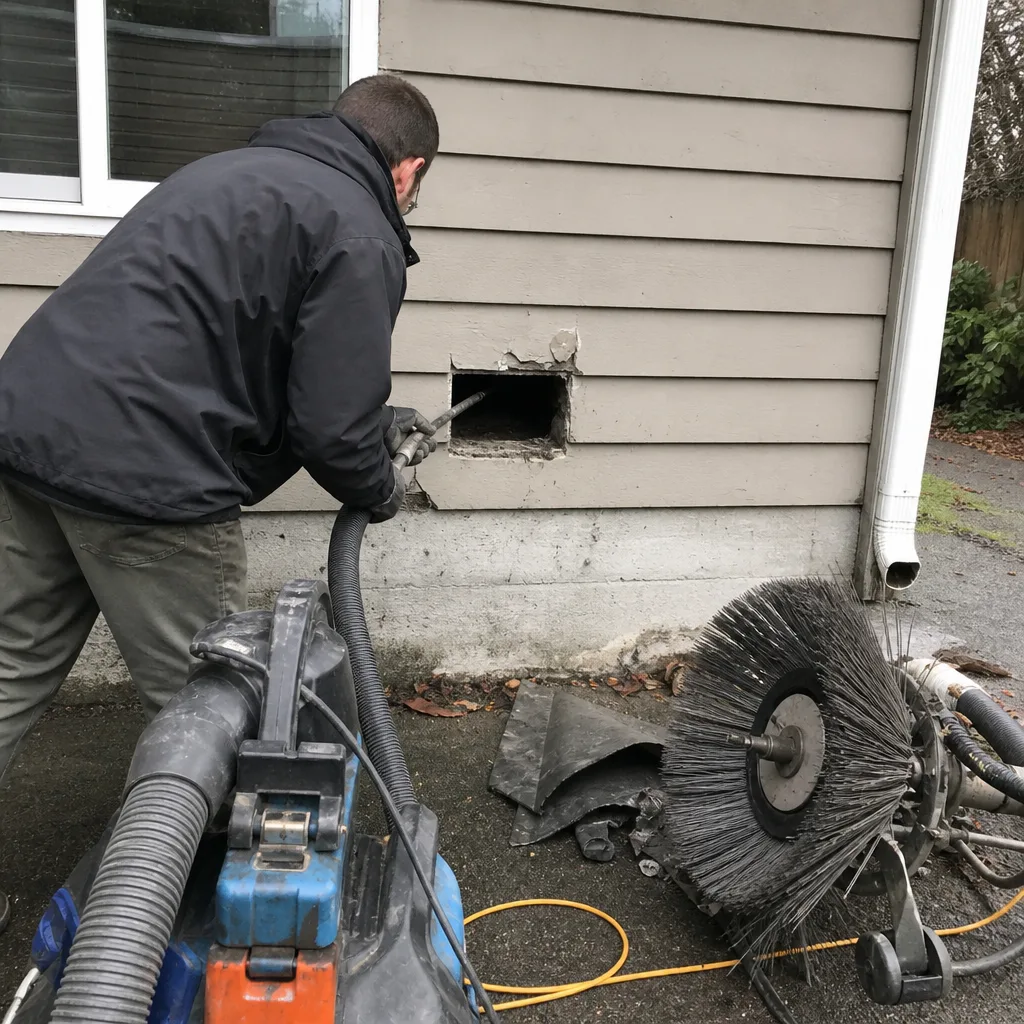 Before
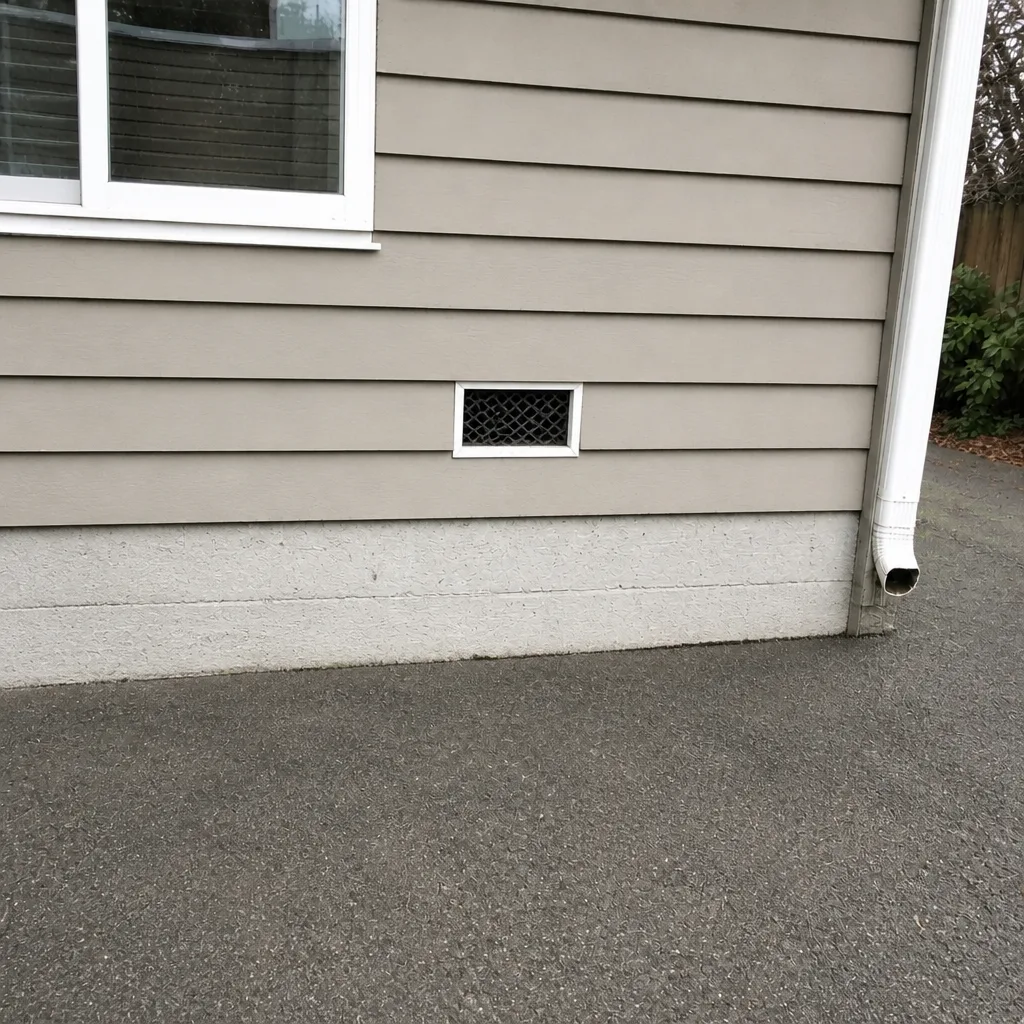 After
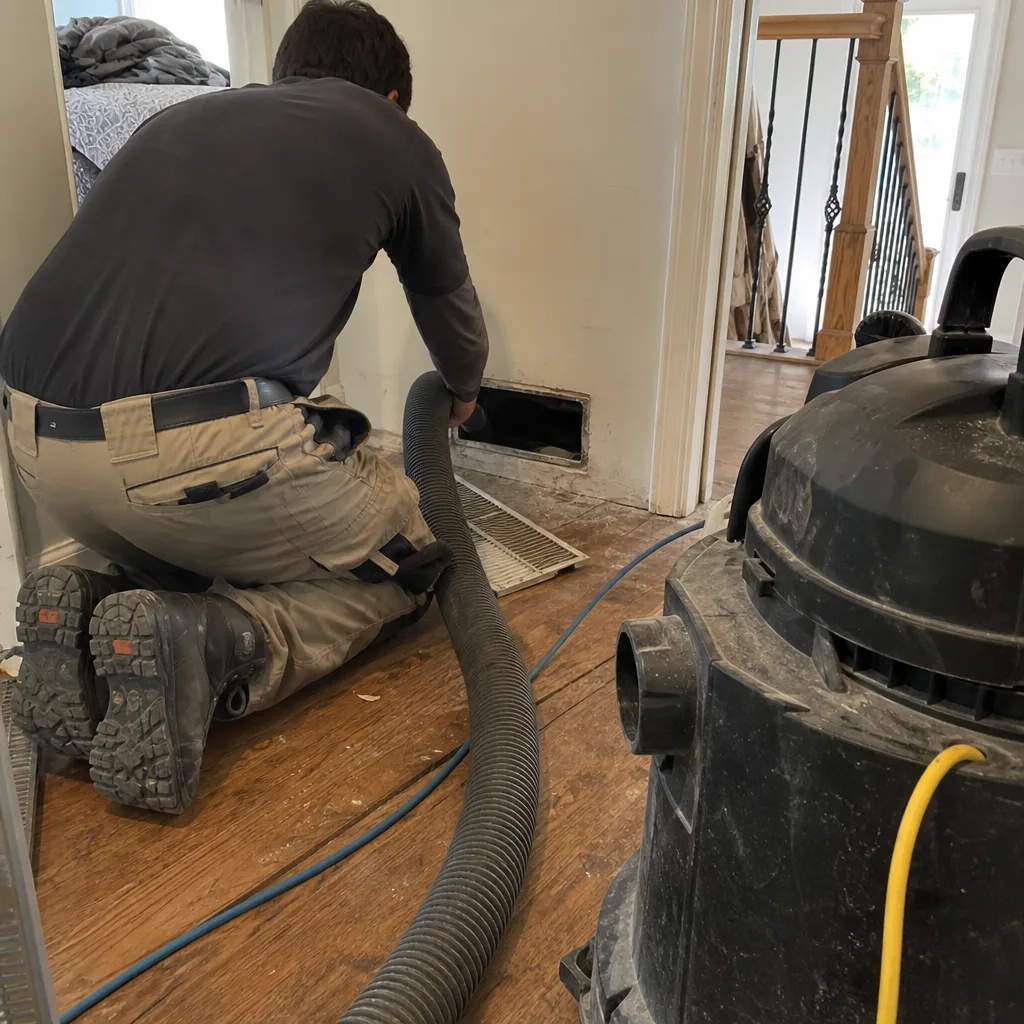 Before
 After
 Before
 After
When to Call a Professional
Call a professional if several of these signs show up together, or if any one of them is severe. A musty odor that won’t go away, a chemical smell near the furnace, a filter that loads in weeks instead of months, heavy fiber shedding on return grilles, or visible separation at duct joints are all reasons to get the system inspected. If you have a family member with severe allergies or asthma, or you’ve just finished a renovation, the system deserves a look even without obvious symptoms. Kirkland Air Duct Cleaning Pros offers free estimates in Kirkland. Call (833) 509-3011. The written estimate sets the price, and the local pro who does the work is licensed and insured as their state requires. Before any work starts, we agree one flat price per system, show before-and-after photos, and stand behind the result with a satisfaction guarantee.
Frequently Asked Questions
Air duct cleaning in Kirkland typically costs a few hundred dollars for a standard whole-home system, with repair or sealing adding to that when the inspection finds it’s needed, and the written estimate sets the final price. Prices depend on system size, how accessible the ducts are, and whether repair is required. Because we work per system rather than per vent, you get a single flat price agreed before work starts. Cheap per-vent quotes are how the bait-and-switch starts, and they’re worth being skeptical of. Call (833) 509-3011 for an exact quote. Estimates are free. We answer 24/7. Fast dispatch from 7am to 7pm, Sunday through Friday.
The clearest sign your ducts have never been professionally serviced is heavy visible buildup at the return grilles, combined with a fast-loading filter and uneven airflow between rooms. Homes built in the 1960s through the 1980s often have never had the ducts serviced beyond filter changes. If you suspect the system has never been cleaned, an inspection with before-and-after photos is the way to confirm. Call (833) 509-3011 for a free estimate.
Cheap quotes are usually bait. A low per-vent or teaser price often becomes a much larger invoice once the technician is on site. Ask any provider for one flat price per system agreed before work starts, and ask to see before-and-after photos of your own ducts when the job is done. That’s the answer to the bait-and-switch problem, and it’s the standard we hold ourselves to. Call (833) 509-3011 for an honest, whole-system quote.
Ask for before-and-after photos of your own duct system, and ask whether the work will be done with professional equipment like a Rotobrush or Nikro system rather than a consumer vacuum. Before-and-after photos and a written estimate that matches the final invoice are how you verify the work, and we provide both on every job. Call (833) 509-3011 to schedule a free estimate.
Most homes need professional duct cleaning every few years, and homes with pets, allergy sufferers, recent renovations, or never-serviced systems more often. In Kirkland’s damp climate, homes that hold moisture may benefit from an inspection sooner. Rather than guessing, watch for the warning signs in this guide: uneven airflow, persistent odors, fast-loading filters, and longer run cycles. Call (833) 509-3011 to talk through what fits your home.
Cleaning alone fixes a musty smell only if the moisture source is also addressed. The smell usually means biological growth in the return ducts or on the duct liner, and cleaning removes it, but a system that keeps taking on moisture will bring it back. A visit that combines dryer vent cleaning and a full inspection of every air pathway, plus sanitizing with Guardsman-grade protective treatments and a Honeywell or Aprilaire air-quality upgrade where it’s needed, gets to the source instead of masking it. Call (833) 509-3011 for a free estimate in Kirkland.
The Bottom Line
The warning signs of duct problems in a Kirkland home usually show up in system behavior before anything visible. Uneven airflow between rooms, longer run cycles, filters that load faster than they used to, and a strained blower all point at restricted or leaking ducts. Odors tell you what’s growing, and the sign flips from cleaning to repair when ducts are separated, crushed, shedding liner fibers, or open to pest entry. Watch for the pattern, keep notes, and call before the problem compounds. At Kirkland Air Duct Cleaning Pros, we use professional Rotobrush and Nikro systems, not a shop vac, and we repair what we find. Call (833) 509-3011 for a free estimate.
Written by the team at Kirkland Air Duct Cleaning Pros.