
Last updated November 25, 2026
 Whole-home duct cleaning
 Dryer vent cleaning
 Camera inspection
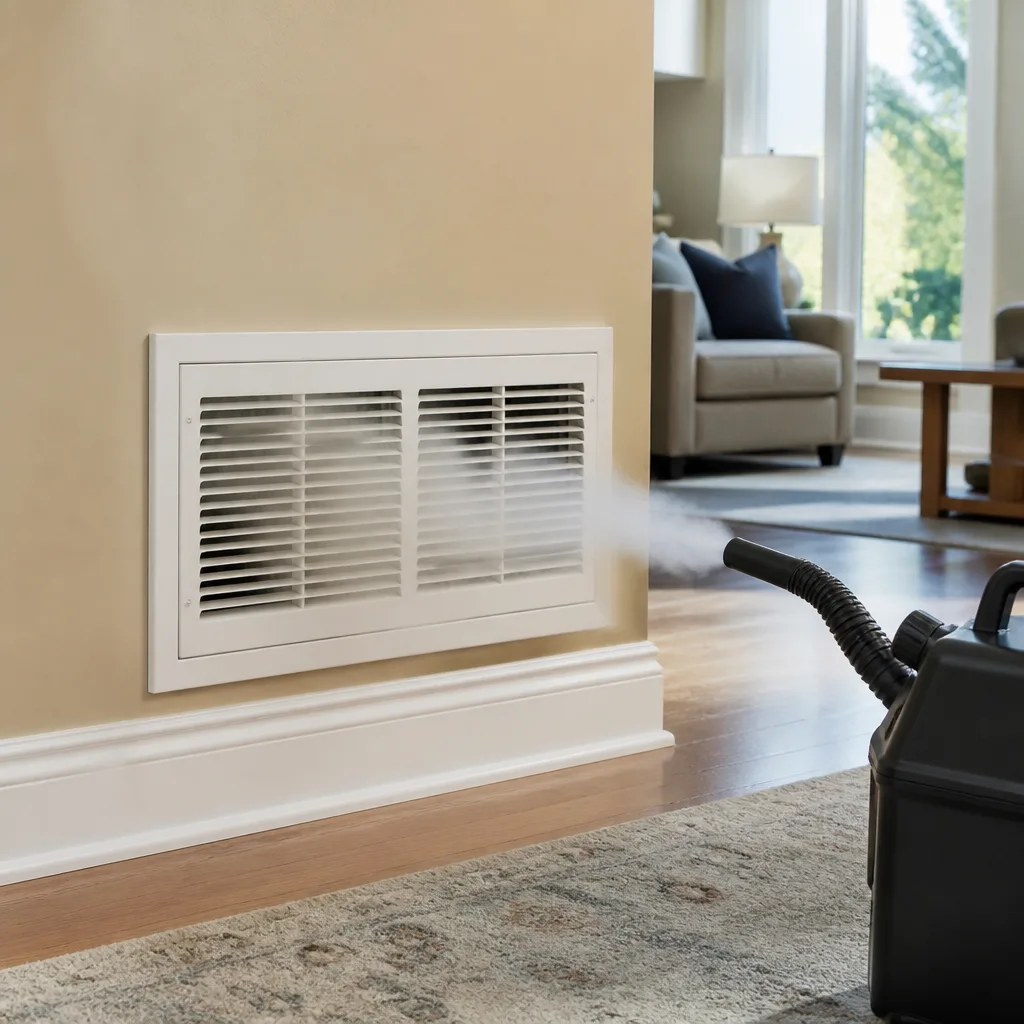 Sanitizing & deodorizing
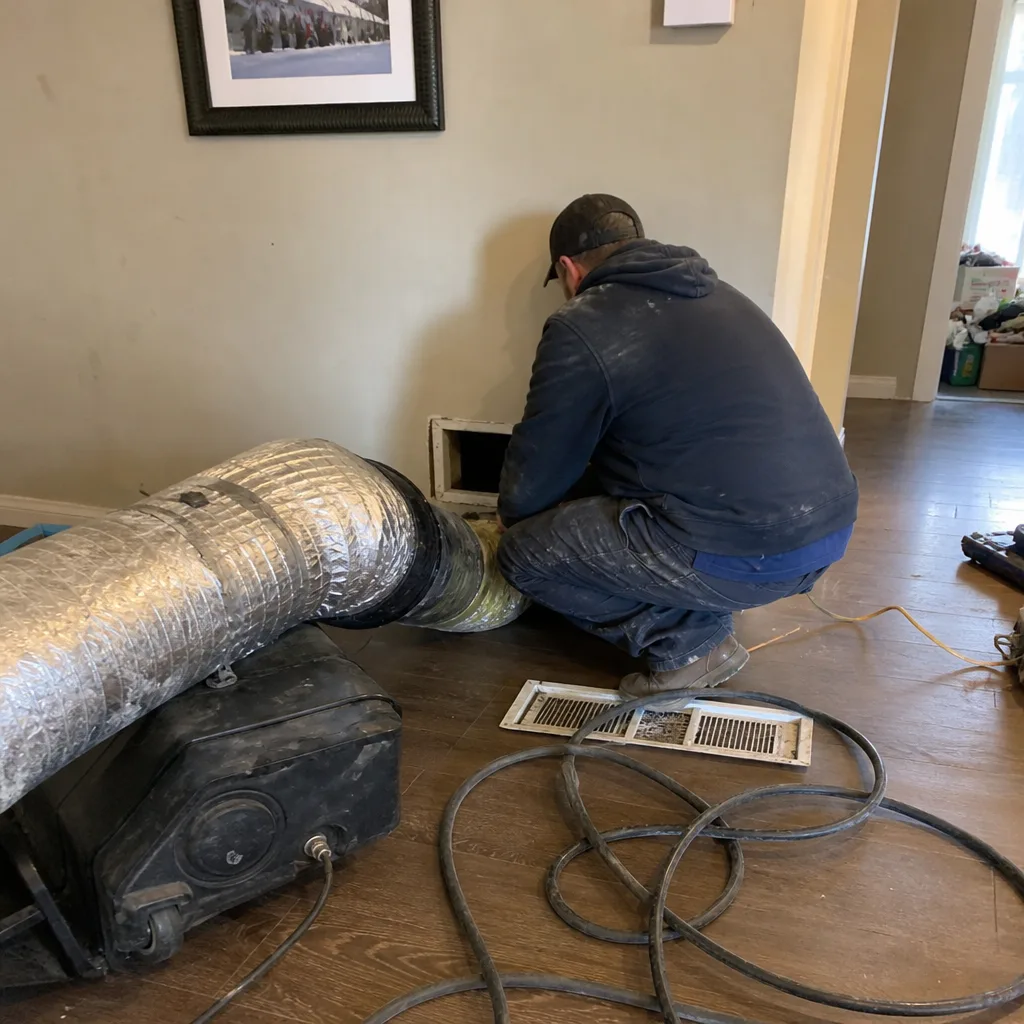
Whole-system duct and dryer vent check with before-and-after photos - you see exactly what came out of your vents
That "$99 whole-house special" is a bait ad - the real number appears once they are in your hallway, or the "clean" is a shop-vac at the register. We photograph the inside of your ducts before and after instead.
Choosing the Right Air Duct Cleaning Brand: A Buyer’s Guide for Kirkland
Most homeowners in Kirkland shop for air duct cleaning by comparing price. That’s the wrong first question. The right one is what equipment will actually show up, because a consumer-grade brush kit and a professional Rotobrush or Nikro system don’t sit on the same spectrum – they produce categorically different results. When a contractor advertises a specific system, they’re making a claim you can check: those machines have documented specs, setup requirements, and cleaning protocols that predict what comes out of your ducts. This guide teaches you what those brand names mean and how to verify them before you book. We’ll cover equipment, inspection standards, and the operator behind the machine.
Quick Answer
The right air duct cleaning brand in Kirkland is the one that pairs professional-grade equipment with verifiable process. Look for a provider running Rotobrush or Nikro systems, offering borescope camera footage before and after, and capable of repairing and sealing what they find rather than only cleaning around it. Brand names alone prove nothing – you need to confirm the machine, the setup, and the technician’s scope of work.
Styles & brands we work with
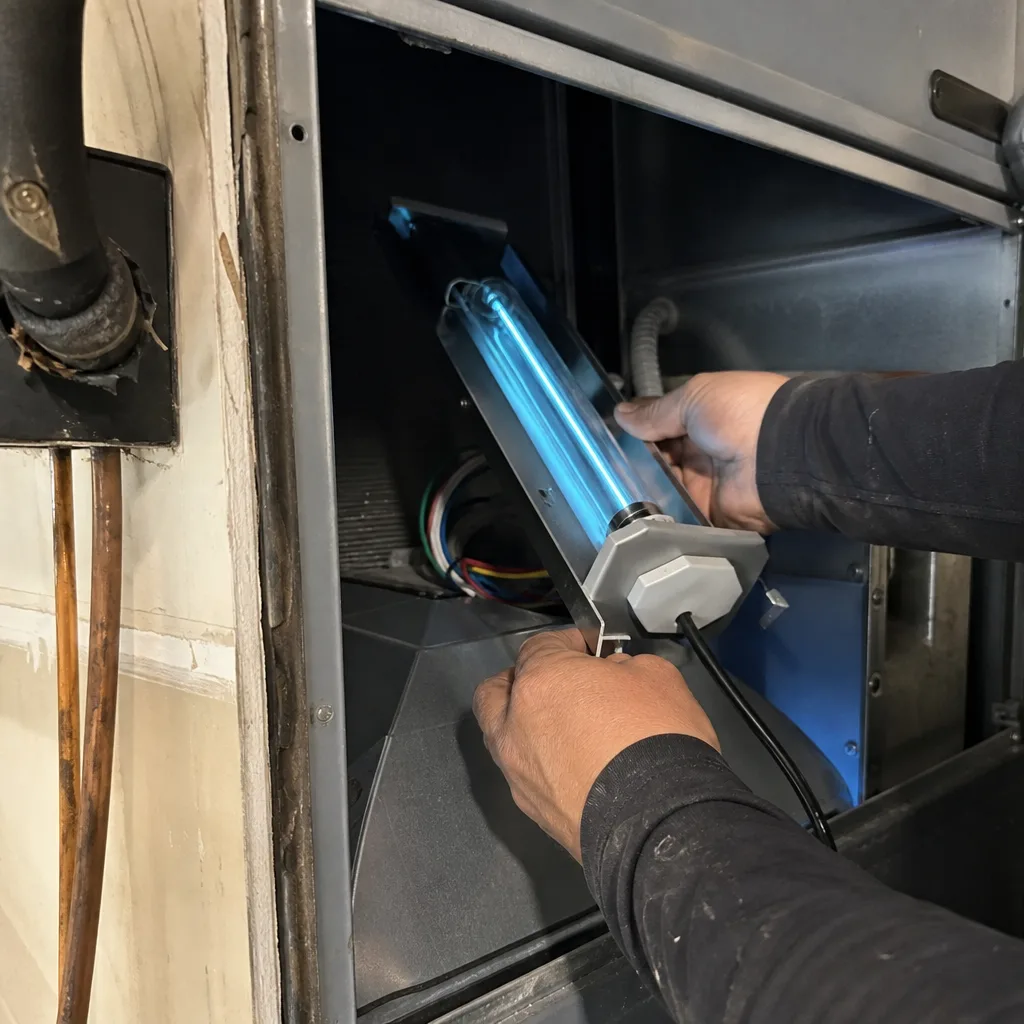
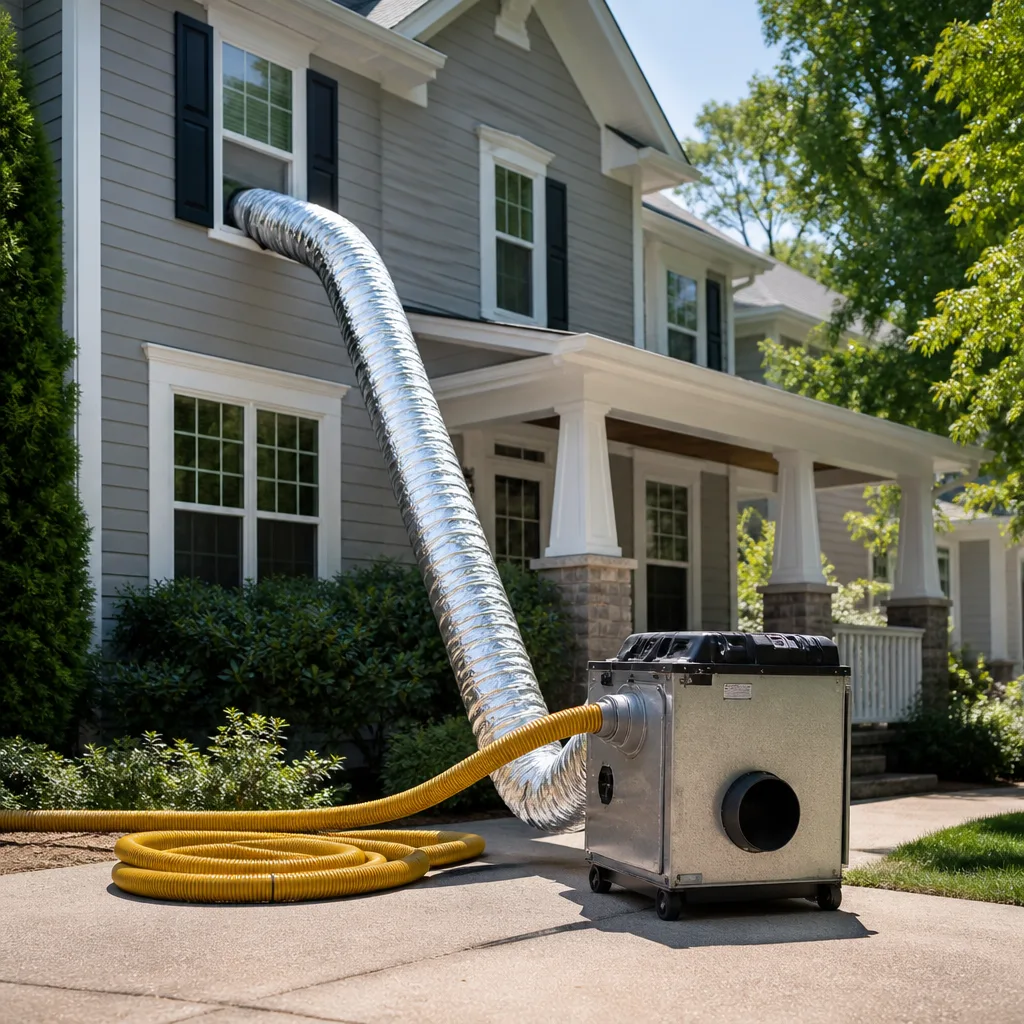
- Whole-home duct cleaning
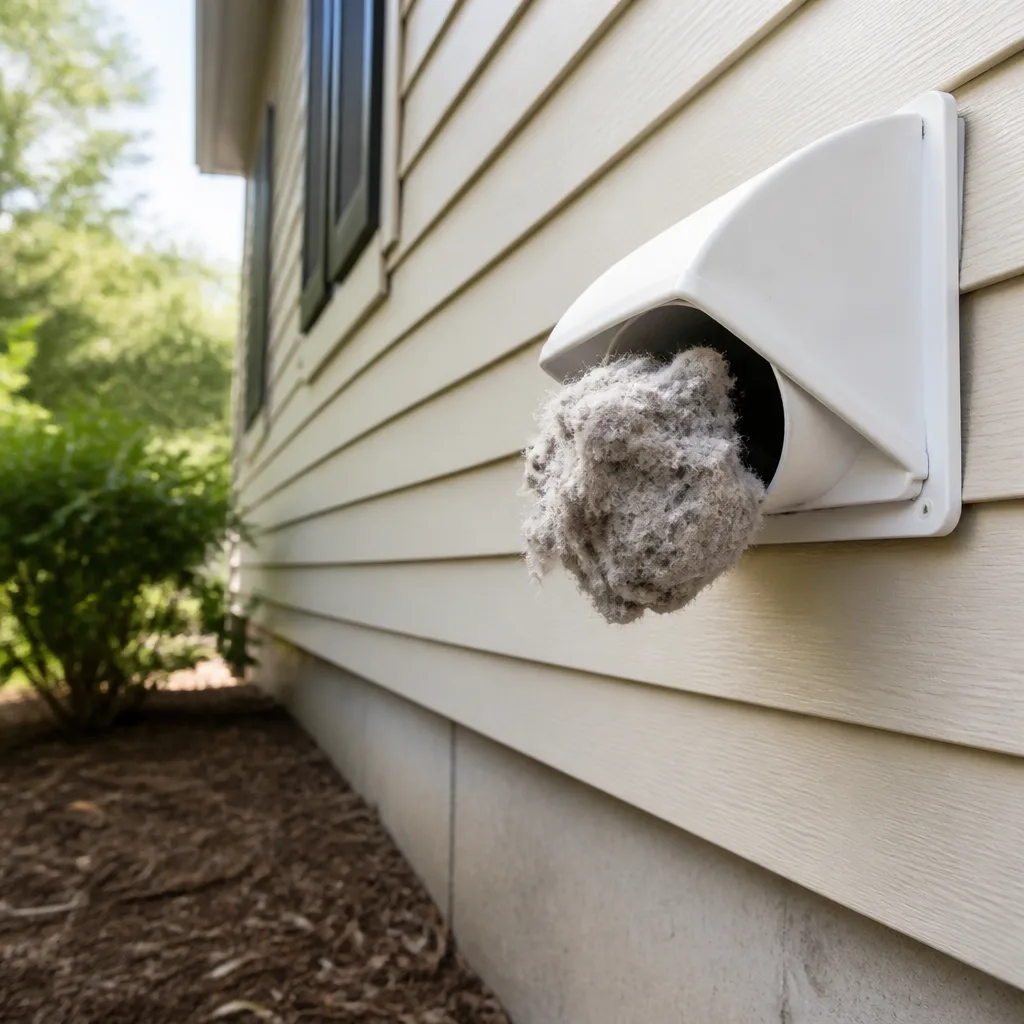
- Dryer vent cleaning
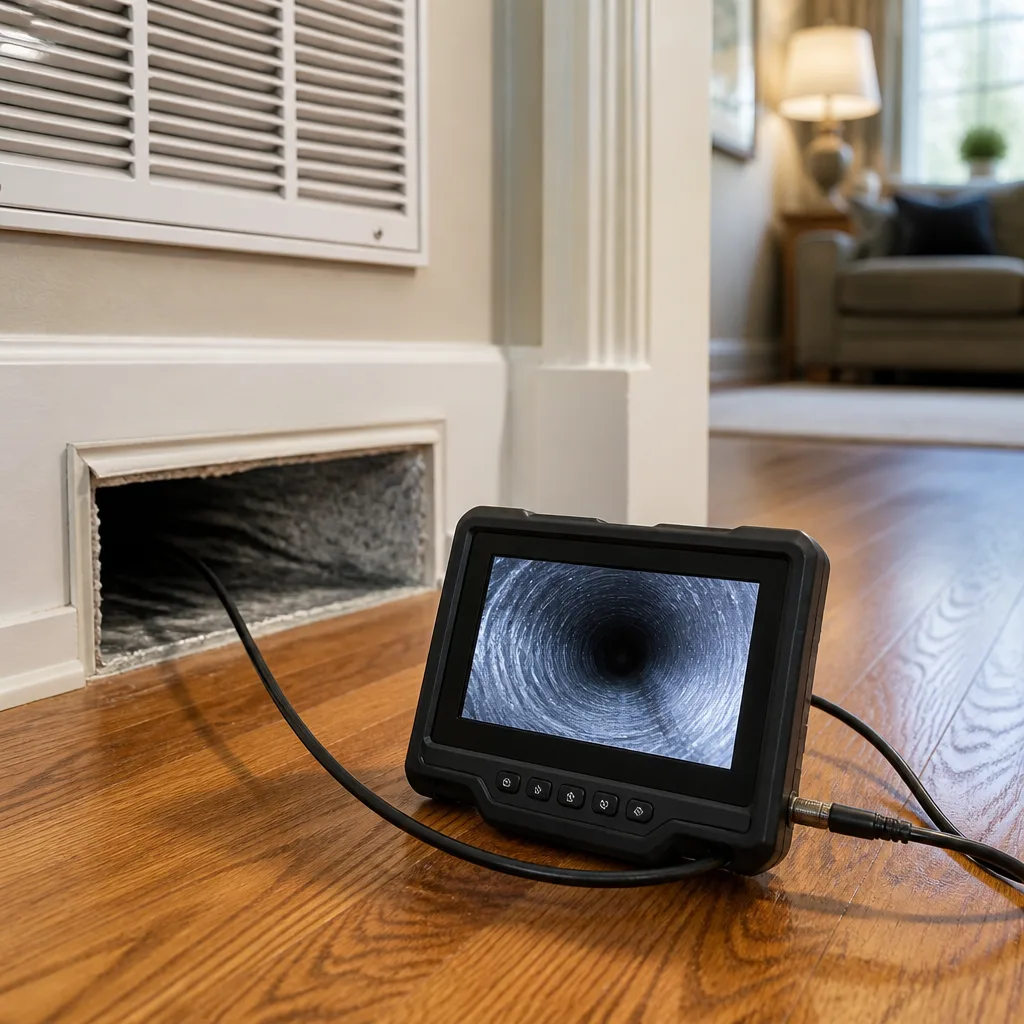
- Camera inspection
- Sanitizing & deodorizing
Table of Contents
- Why equipment brand is a proxy for methodology
- What the Rotobrush system actually does differently
- Nikro negative-pressure units and what “source removal” really means
- How to verify equipment claims before you book
- Inspection cameras: the brand-agnostic quality signal
- What equipment alone can’t guarantee
- The Kirkland market: what local conditions mean for your ducts
- Common mistakes to avoid
- When to call a professional
Why Equipment Brand Is a Proxy for Methodology
Air duct cleaning isn’t one procedure. It’s a family of approaches that differ in how they agitate debris, how they capture it, and whether they remove contamination at the source or merely knock it loose. Equipment choice reveals which approach a contractor actually runs, and most homeowners never ask.
Here’s the split. Consumer-grade or rental vacuums generate modest suction and rely on a brush you feed through the duct by hand. They pull some loose dust from the run directly under the access point and leave the settled material further down the line largely untouched. Professional systems are engineered around the opposite premise: the machine creates enough negative pressure and filtration to hold what’s dislodged, while a powered brush or air whip works the full length of the duct. The difference isn’t that one is stronger. It’s that one is designed to capture and contain contamination during the job, and the other isn’t.
Why does this matter in Kirkland specifically? Homes here tend to run forced-air heating through the wetter months, and a lot of the housing stock dates to the 1970s through 1990s, when duct runs were often built with more flex duct and fewer sealed joints than today’s builds. Flex duct with loose joints collects debris at the seams and can sag, trapping material that a passive vacuum never reaches. When a contractor shows up with a shop vac and a hand brush, the seams are exactly where the cleaning stops.
So the equipment list is a tell. A provider that invests in Rotobrush or Nikro systems has already committed to a methodology that treats the whole duct run as the work surface. That commitment is what you’re buying, and it’s what you should verify.
What the Rotobrush System Actually Does Differently
The Rotobrush platform is built around a single design idea: agitate and extract at the same time. The rotating brush head loosens debris from the duct walls while the vacuum assembly captures it in the same motion, in one continuous pass. It sounds like a small detail. It isn’t.
The older approach was sequential – send a brush through to knock material loose, then come back with a vacuum to pull it out. Between those two steps, dislodged dust has time to settle again, drift into branch runs, or get pulled into the living space through return grilles. The capture rate falls because you’re chasing material that’s already moved. A simultaneous-agitation system addresses that by design: once debris leaves the duct wall, it’s immediately inside the airstream the machine is capturing.
- Rotation and feed: the powered brush head rotates as it’s fed down the duct, agitating the full circumference rather than one face of the run.
- Simultaneous capture: the vacuum assembly sits at the brush head, capturing dislodged material as it’s freed instead of after.
- Filtration containment: captured material passes through the machine’s filtration, keeping it out of the air in your home during the job.
- Full-run coverage: the tool travels the length of the supply or return run, including branch connections, rather than only the section near the access point.
For a Kirkland homeowner, the practical implication is straightforward: when a technician says they ran a Rotobrush through your system, they’re describing a method that treats the whole run as the work surface, not the first few feet. Our technicians have up to 9 years of experience with these platforms, and the pattern we see is consistent – the ducts that come out cleanest weren’t cleaned harder, they were cleaned with the right tool in the right sequence. You can read more about what a full professional cleaning involves on our air duct cleaning page.
Nikro Negative-Pressure Units and What “Source Removal” Really Means
Nikro is the other name you’ll see on professional equipment lists, and it refers broadly to a family of negative-pressure vacuum and HEPA filtration units used to hold a duct system under vacuum while it’s being cleaned. Where the Rotobrush does the agitation, the Nikro-class machine does the containment.
Two specs matter when you’re evaluating one of these units, and neither is decorative.
- CFM rating: cubic feet per minute, the measure of airflow the unit can move. Higher CFM means the system can maintain meaningful negative pressure across more of the duct network at once, which is what keeps dislodged debris moving toward the machine instead of into your rooms.
- HEPA filtration stages: the filtration stack captures particles as small as the finest airborne contaminants. Multi-stage filtration means the machine isn’t just moving air, it’s cleaning and containing it.
“Source removal” is the industry term for pulling contamination out of the system rather than sealing it in place or blowing it through. In practice, proper source removal looks like this: the system is put under negative pressure first, access points are created where needed, the agitation tool works each run while the vacuum holds, and every captured contaminant passes through filtration before the air is exhausted. If any of those steps are skipped, you’re not getting source removal. You’re getting surface dusting with a better story.
One more piece that separates a professional operation from a generalist: active containment during the job. We deploy Abatement Technologies air-filtration equipment on site so that dislodged contaminants are captured while work is in progress, rather than settling on furniture and floors. If you’ve ever had a “cleaning” done and found a fine dust film on everything the next morning, that’s what missing containment looks like.
How to Verify Equipment Claims Before You Book
Any contractor can type “Rotobrush” into a website. Verifying the claim takes a few direct questions, and a legitimate operator will welcome them. Here’s the sequence we’d suggest to any Kirkland homeowner shopping the market.
- Ask which specific machine will be on site. Not the brand name in general – the model and configuration. A professional should be able to name it without hesitation.
- Ask for a photo of the equipment. Every professional operation has photos of its own gear. A stock photo of a machine from a manufacturer’s website tells you nothing.
- Ask how negative pressure is established. The answer should mention the vacuum unit, where it’s connected, and how access is created. Vague answers are a warning sign.
- Ask about filtration. What does the machine filter, and to what standard? HEPA filtration is the professional baseline.
- Ask what tool cleans a flex duct run versus a rigid metal run. The right answer distinguishes between them. If the technician uses the same tool everywhere, they’re not familiar with the equipment’s capability.
- Ask for before-and-after camera footage of your own system. We’ll come back to this, because it’s the single most reliable verification step in the entire process.
The harder question – why would a contractor claim a brand they don’t use? – has a simple answer. Rankings and clicks reward brand names. A generalist who wants the search traffic a professional equipment list attracts has every incentive to borrow the vocabulary without the training. Verifying the machine, the setup, and the technician’s familiarity with both is how you separate the two. If the answers are specific and immediate, the equipment is real. If they’re vague and deferential, it probably isn’t.
Inspection Cameras: The Brand-Agnostic Quality Signal
If you only verify one thing before booking a cleaning, make it this. A professional operation should offer borescope camera footage of your ducts before and after the job, as standard. The camera is brand-agnostic – it doesn’t care which vacuum you run – and it’s the one piece of evidence that shows you what was actually inside the system and what changed.
Pre-cleaning footage tells you what you’re dealing with: dust buildup, debris, rodent activity, moisture, disconnected joints, or damage that needs repair. Post-cleaning footage confirms the work was done. In our experience, the operators who offer footage happily are the same ones who do the work thoroughly, because they have nothing to hide. The ones who hesitate have usually earned the hesitation.
When you review footage, look for four things. First, whether the run is clean wall-to-wall, not just dust-free at the access point. Second, whether the footage covers multiple runs, not only the one easiest to film. Third, whether the technician flagged anything that needs repair – a disconnected joint or a sagging flex run is a finding, and a good provider should tell you about it. Fourth, whether the pre- and post-conditions line up with the job you booked. If the scope was “full system” and the footage shows one return run, ask why.
This is where repair and sealing matter more than most buyers realize. Cleaning removes what’s in the ducts today; sealing the system addresses how contamination got in and how conditioned air leaks out. We repair what we find rather than cleaning around it, which is why we offer duct repair and sealing alongside cleaning. A camera that shows you a disconnected joint is only useful if the provider can fix it.
What Equipment Alone Can’t Guarantee
Professional equipment is necessary but not sufficient. The brand name on the machine tells you what the contractor invested in; it doesn’t tell you who’s running it or how. A skilled technician with a Nikro unit and a clear scope will outperform a careless technician every time, regardless of the brand.
Three things determine the outcome beyond the equipment itself.
- Technician training: a machine has protocols, and following them takes discipline. Brush speed, feed rate, access placement, and vacuum run-time all affect what’s captured. An operator who knows the equipment runs it correctly.
- Proper setup: negative pressure has to be established before agitation begins and held through the job. Skip that sequencing and the machine’s filtration does nothing for the material it never captures.
- Job scope: a full-system cleaning covers supply and return runs, HVAC components, and – if you have one – the dryer vent. A “duct cleaning” that only touches supply grilles is a partial job wearing a full-job name.
This is the point where the operator matters as much as the brand. Our technicians have up to 9 years of experience on these platforms, and that experience is what turns equipment into outcome. Ask who’ll be in your home, how long the job will take, and what the scope includes in writing. The answers tell you more than the machine list does. If your cleaning includes HVAC cleaning, ask how the air handler and coil get handled, because that’s a separate scope from the ducts themselves.
The Kirkland Market: What Local Conditions Mean for Your Ducts
Kirkland sits on the east side of Lake Washington, and that geography shapes what ends up in local duct systems. The wetter months drive humidity levels that can condense inside poorly insulated duct runs, particularly in crawlspaces and unconditioned attic spaces. Moisture is the condition that turns dust buildup into something more problematic, which is why sealing and repair matter alongside cleaning here.
The housing stock matters too. Neighborhoods like Juanita, Finn Hill, and Rose Hill include a substantial share of homes built from the 1970s through the 1990s, and that era of construction often used flex duct with less sealing than today’s standards. Flex duct has ridges that collect debris and sag points that trap it. When you call a professional in Kirkland, ask specifically how they handle flex duct – a hand brush won’t reach the low points, and a passive vacuum won’t pull material out of the ridges.
Add the seasonal smoke events that drift into the region during drier summers, and local ducts accumulate fine particulate on top of ordinary dust. HEPA filtration on the cleaning equipment is what separates a real cleaning from a superficial one in that context. We also see dryer vent cleaning come up more than homeowners expect. Lint buildup in a dryer vent is a documented leading cause of residential fires, and it’s part of the same air-system picture. If you’re having the ducts done, the dryer vent cleaning is worth folding into the same visit.
Pricing in the Kirkland market tracks with scope more than with equipment brand. A whole-system cleaning is a larger job than a single-run cleaning, and repair work is priced separately because it depends on what the camera finds. Get a written estimate with the scope spelled out. It’s the only way to compare bids fairly.
Common Mistakes to Avoid
- Comparing bids without comparing scope. A lower bid often covers fewer runs, no camera inspection, and no HVAC components. Two quotes are only comparable if the written scope matches. Ask each bidder to list exactly what’s covered.
- Buying the brand name on the website. A “Rotobrush” or “Nikro” logo doesn’t prove either machine will be in your home. Ask for a photo of the specific equipment and a description of the setup before you book.
- Skipping the camera inspection. A cleaning with no before-and-after footage is a promise, not a result. Any professional operation should show you the footage as standard practice.
- Hiring a generalist for a specialist job. A cleaning company that also does carpet, windows, and pressure washing is not running a duct-system specialist’s equipment. The scope of work follows the scope of the business.
- Ignoring flex duct in older Kirkland homes. Juanita and Finn Hill properties built in the 1970s and 1980s often have flex runs with ridges and sag points that a standard brush misses. Ask how the provider cleans them specifically.
- Cleaning without repairing. A disconnected joint or a sagging run is a contamination entry point. Cleaning around it means the duct gets dirty again. Ask whether the provider can repair and seal what the camera finds.
- Treating the dryer vent as separate. Lint buildup is a leading cause of home fires, and it’s the same air-system category. If your dryer is taking longer than it used to, add the vent to the same visit.
When to Call a Professional
Some situations call for an inspection rather than a cleaning. Call a professional when you’ve recently finished a renovation and drywall dust is in the air, when you notice visible debris around supply or return grilles, when you see uneven airflow between rooms, or when a musty odor returns after a wet season. Call if anyone in the household has allergies or respiratory sensitivity and the ducts haven’t been serviced in years. Call if your dryer is taking noticeably longer to dry clothes – that’s a sign the vent needs attention. Call after any rodent activity, because contamination and physical damage both need to be addressed.
Kirkland Air Duct Cleaning Pros offers free estimates in Kirkland – call (833) 509-3011. We answer 24/7. Fast dispatch from 7am to 7pm, Sunday through Friday.
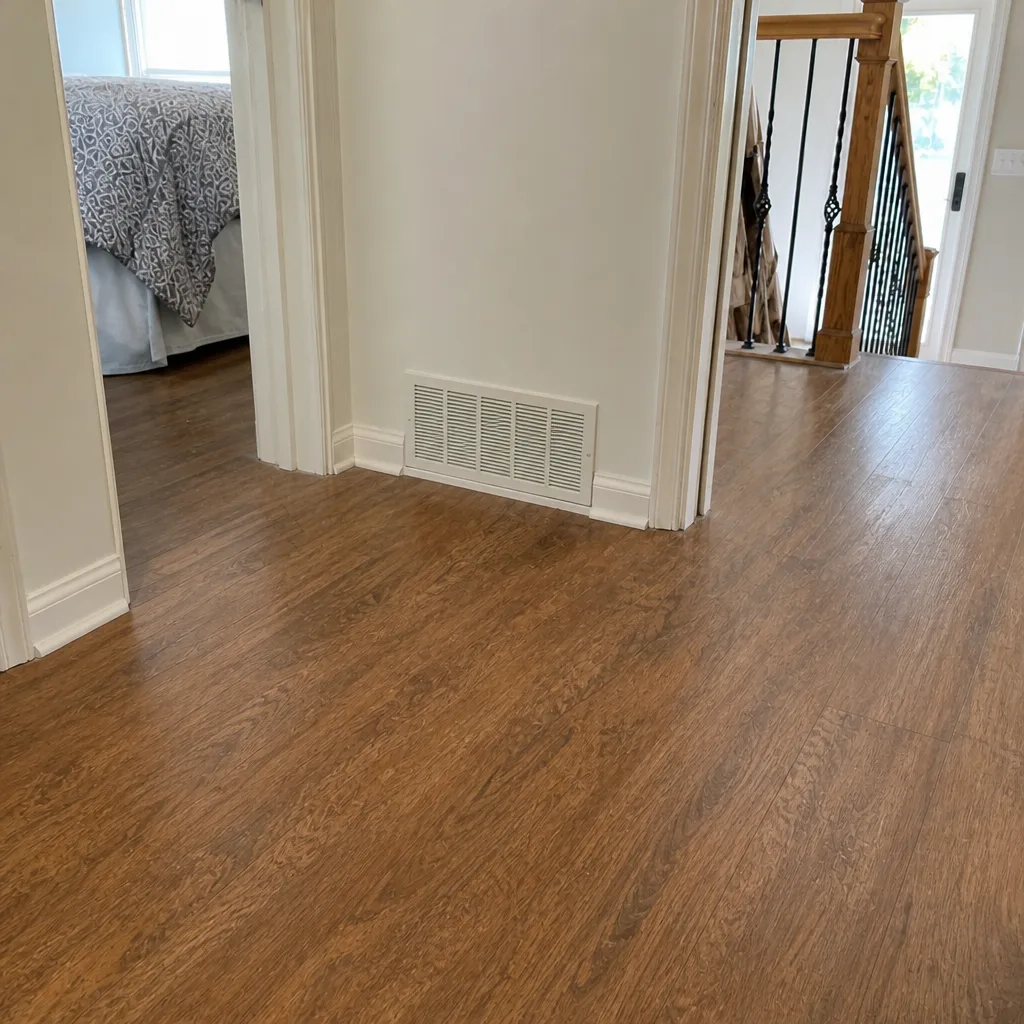
See the difference
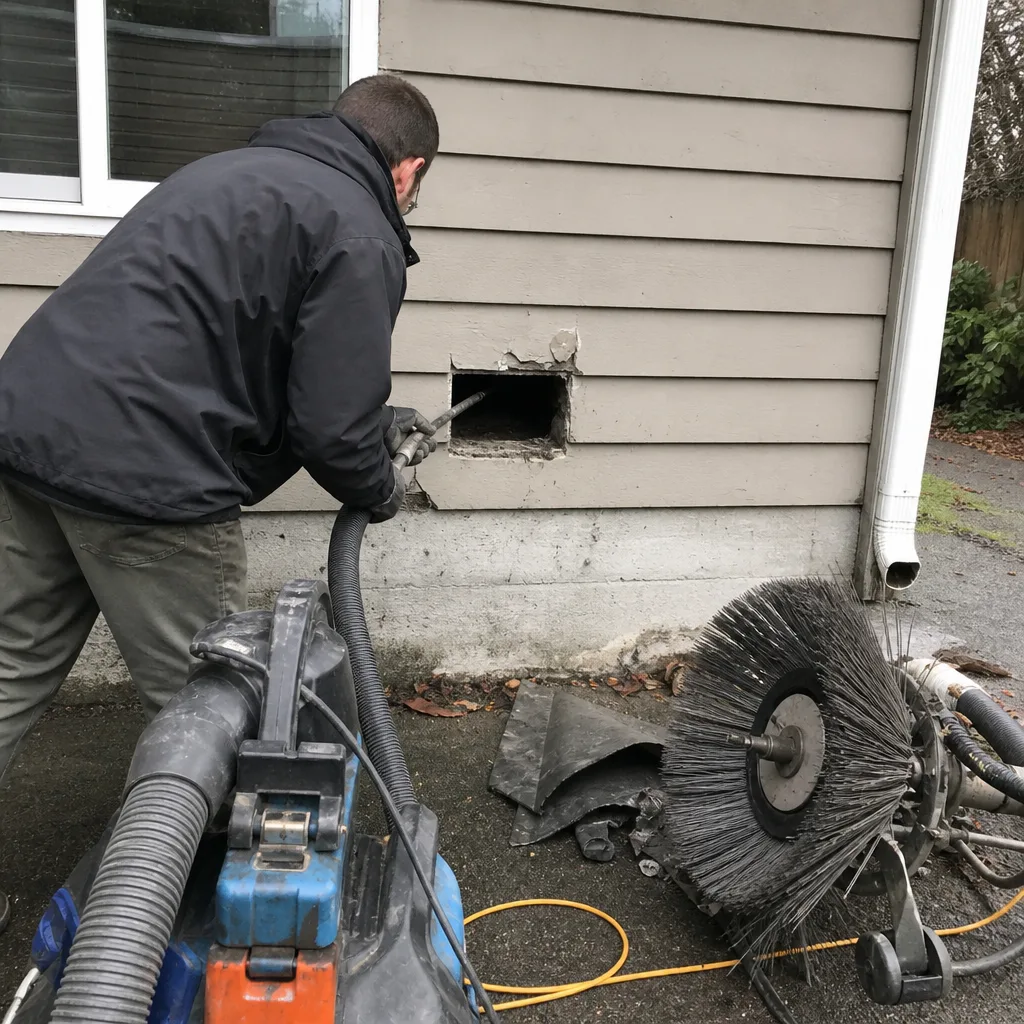 Before
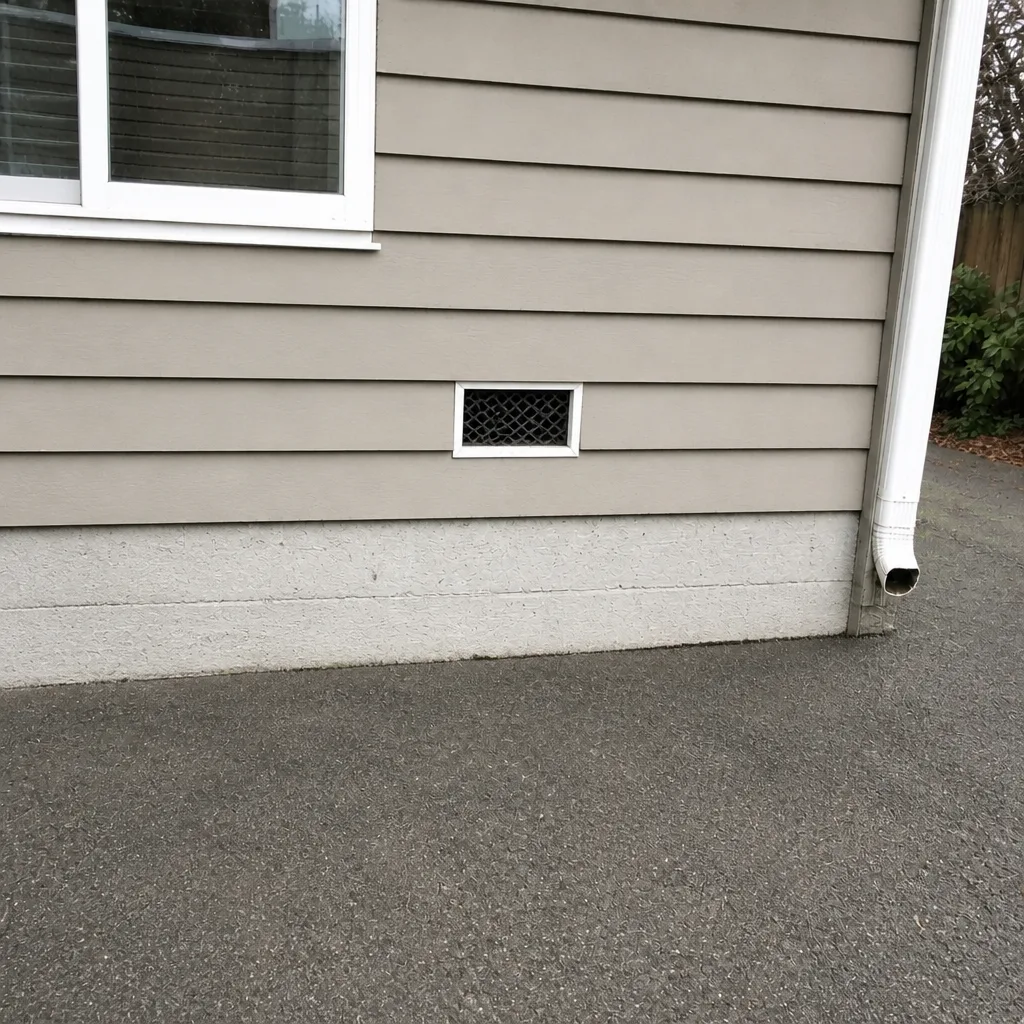 After
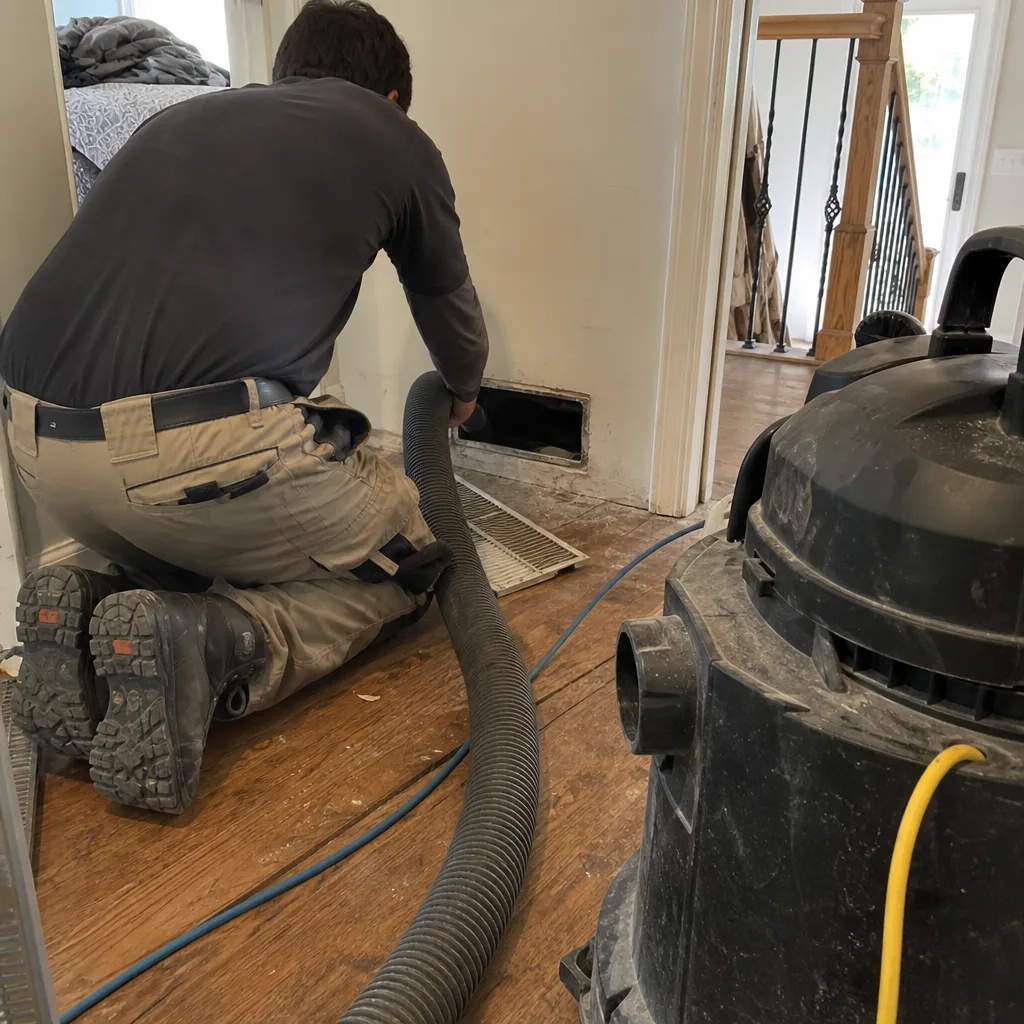 Before
 After
 Before
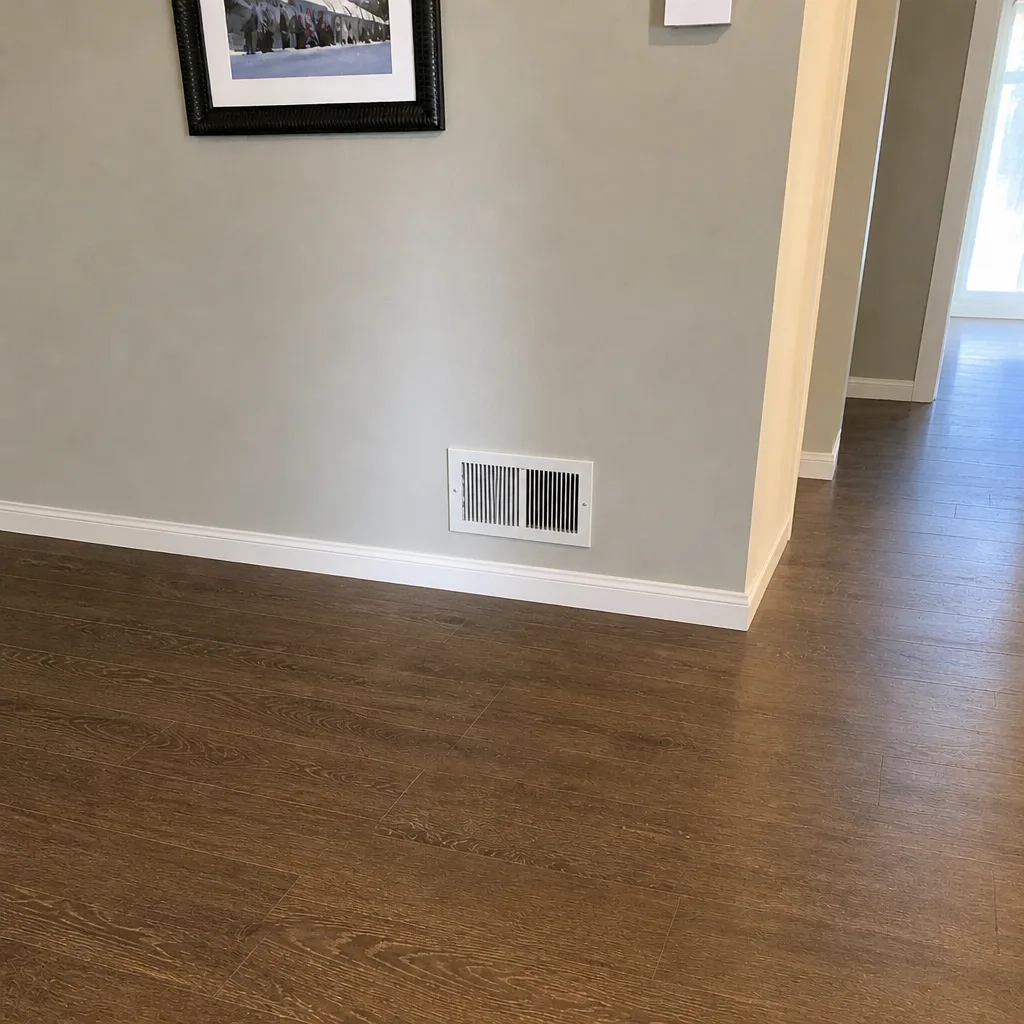 After
Frequently Asked Questions
Air duct cleaning in Kirkland typically runs based on the size of the system and the scope of work, from a single-run cleaning up to a full-system job that covers supply and return runs, HVAC components, and a dryer vent. We never price per vent, and we don’t quote a teaser number over the phone, because the price depends on what the system actually contains. The written estimate is what sets the final price, and it’s free. Call (833) 509-3011 for an exact quote.
Cheaper quotes usually reflect a smaller scope or lighter equipment. A single-run cleaning with a shop vac is genuinely less expensive than a whole-system job with a Rotobrush or Nikro unit, because it involves less labor, less equipment, and no camera inspection. Compare the written scope before you compare the number. A quote that covers fewer runs and no footage isn’t a lower price for the same job, it’s a lower price for a smaller job. Call (833) 509-3011 for a scope-first estimate.
Ask for before-and-after borescope footage of your own ducts. It’s the only direct evidence of what was inside the system and what changed, and any professional operation should provide it. Look for coverage across multiple runs, not a single access point, and check whether the technician flagged anything needing repair. Call (833) 509-3011 to schedule a cleaning with camera documentation.
Most Kirkland homes with a normal dust load benefit from a professional cleaning every few years, with more frequent attention after a renovation, a rodent issue, or a long period with no servicing. Homes with pets, allergy sufferers, or young children often go shorter. The right interval depends on what a camera inspection shows, not on a fixed schedule. Call (833) 509-3011 and we’ll help you figure out where your system stands.
It matters when the equipment is verified and the technician knows how to use it. Rotobrush and Nikro systems differ from consumer vacuums in how they agitate, capture, and contain debris, and that difference shows up in the cleaning outcome. But brand alone proves nothing – ask for a photo of the equipment, a description of the setup, and camera footage of the work. A machine is only as good as the operator running it.
We repair and seal as well as clean. That matters because camera inspections often find disconnected joints, sagging flex runs, or gaps at seams that need more than cleaning – those are the entry points that let contamination in and conditioned air out. If the inspection finds damage, we address it in the same visit rather than referring you to a second contractor. Call (833) 509-3011 for a free estimate.
The Bottom Line
Equipment brand is a proxy for methodology, and the gap between a consumer-grade kit and a professional Rotobrush or Nikro system is categorical, not incremental. In Kirkland, where older flex duct and wet-season humidity combine to make sealing and repair as important as cleaning, the provider who can agitate, capture, contain, and repair in a single visit is the one worth hiring. Verify the machine, ask for the scope in writing, and demand before-and-after footage. Brand names are a starting point. The operator and the process are the real product. You can see how we approach the full picture on Kirkland Air Duct Cleaning Pros.
Call (833) 509-3011 for a free estimate. We answer 24/7. Fast dispatch from 7am to 7pm, Sunday through Friday.
Written by the team at Kirkland Air Duct Cleaning Pros.