
Last updated November 25, 2026
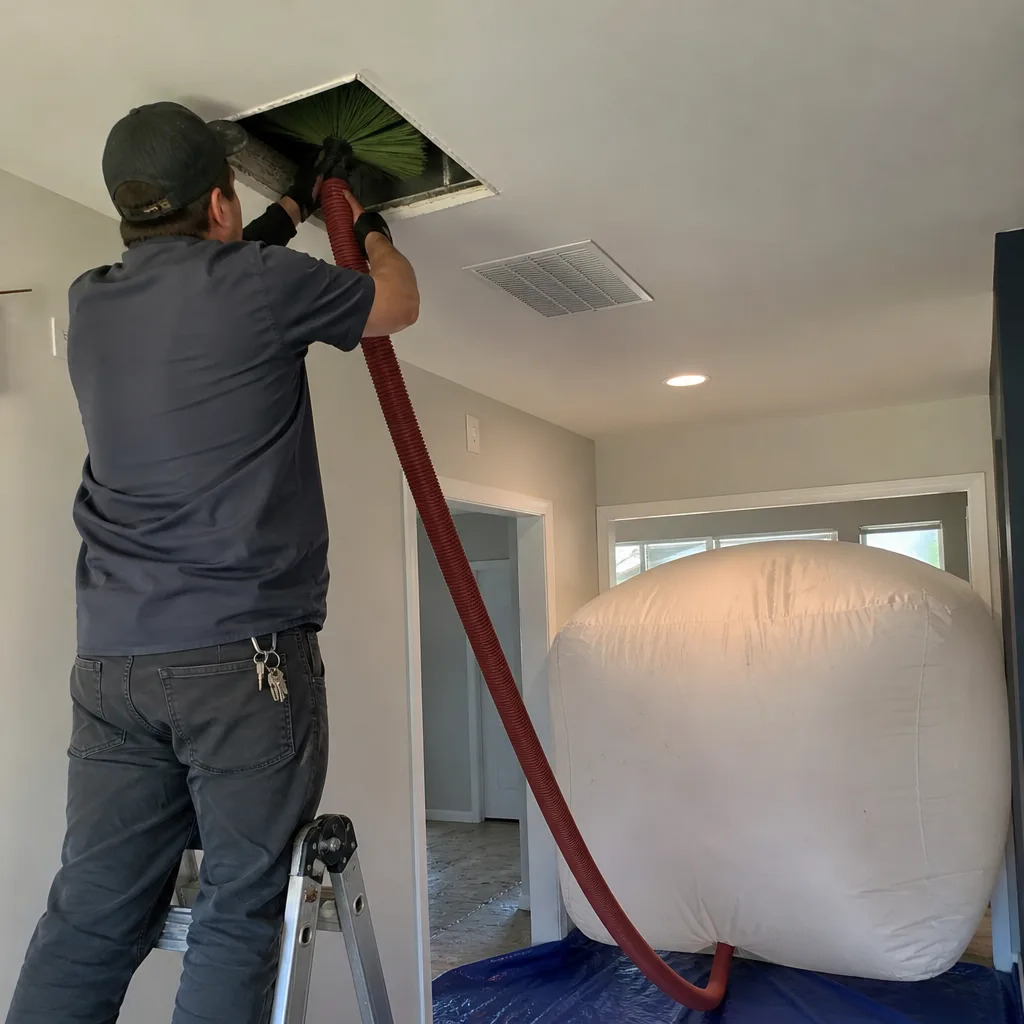
 Whole-home duct cleaning
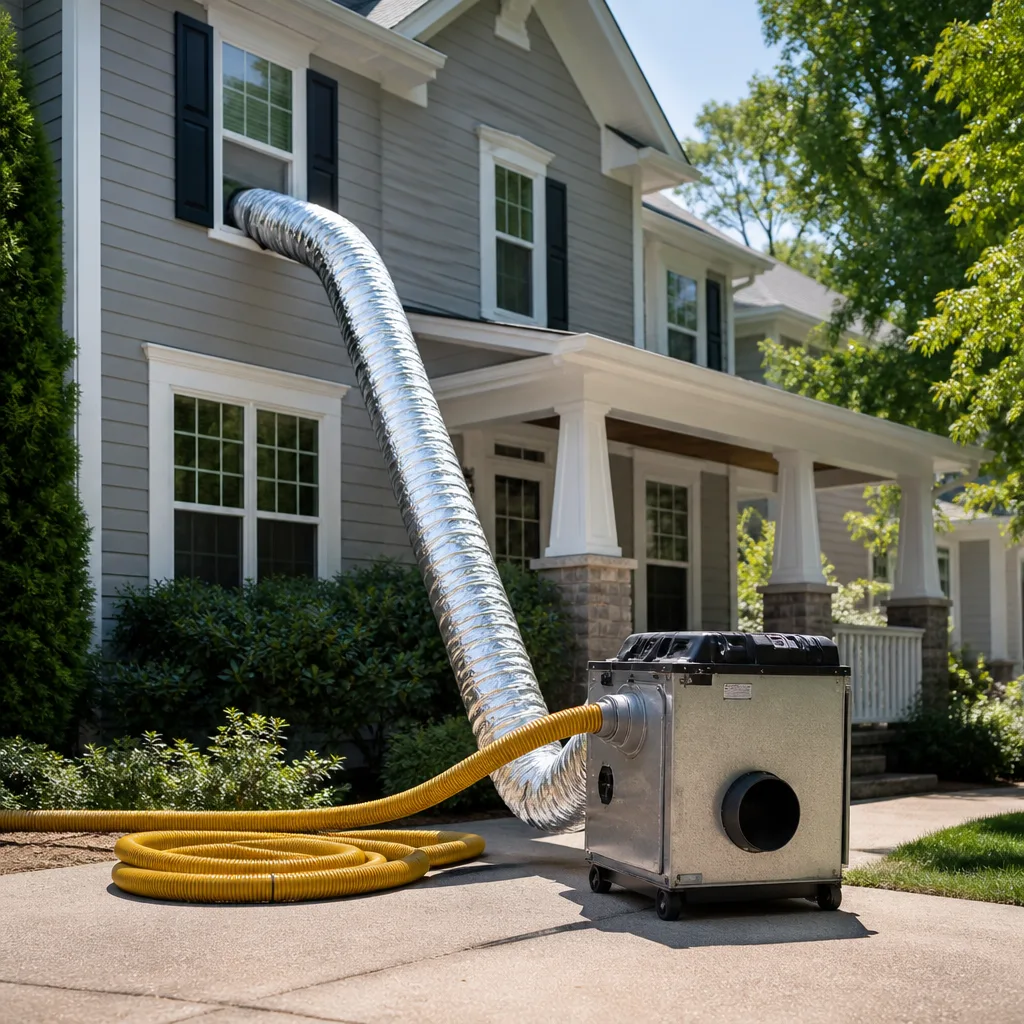
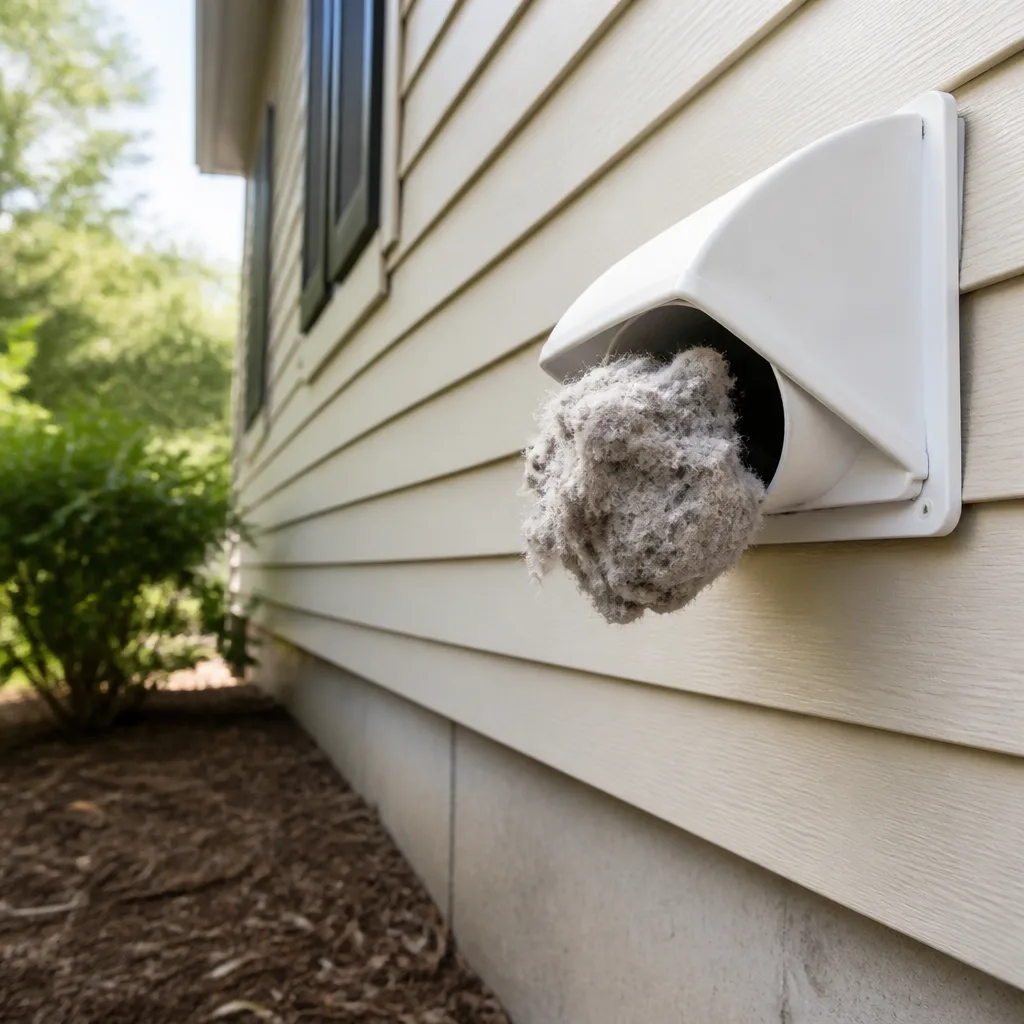 Dryer vent cleaning
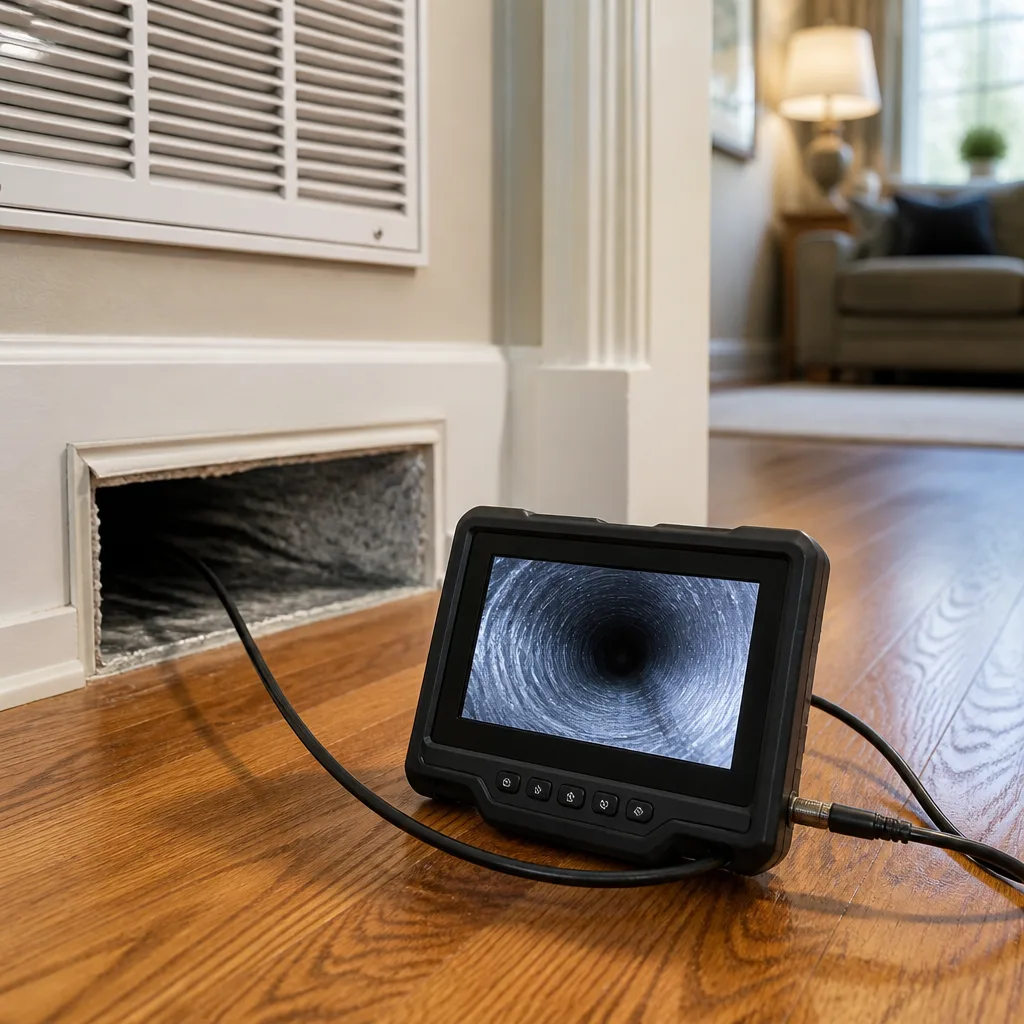 Camera inspection
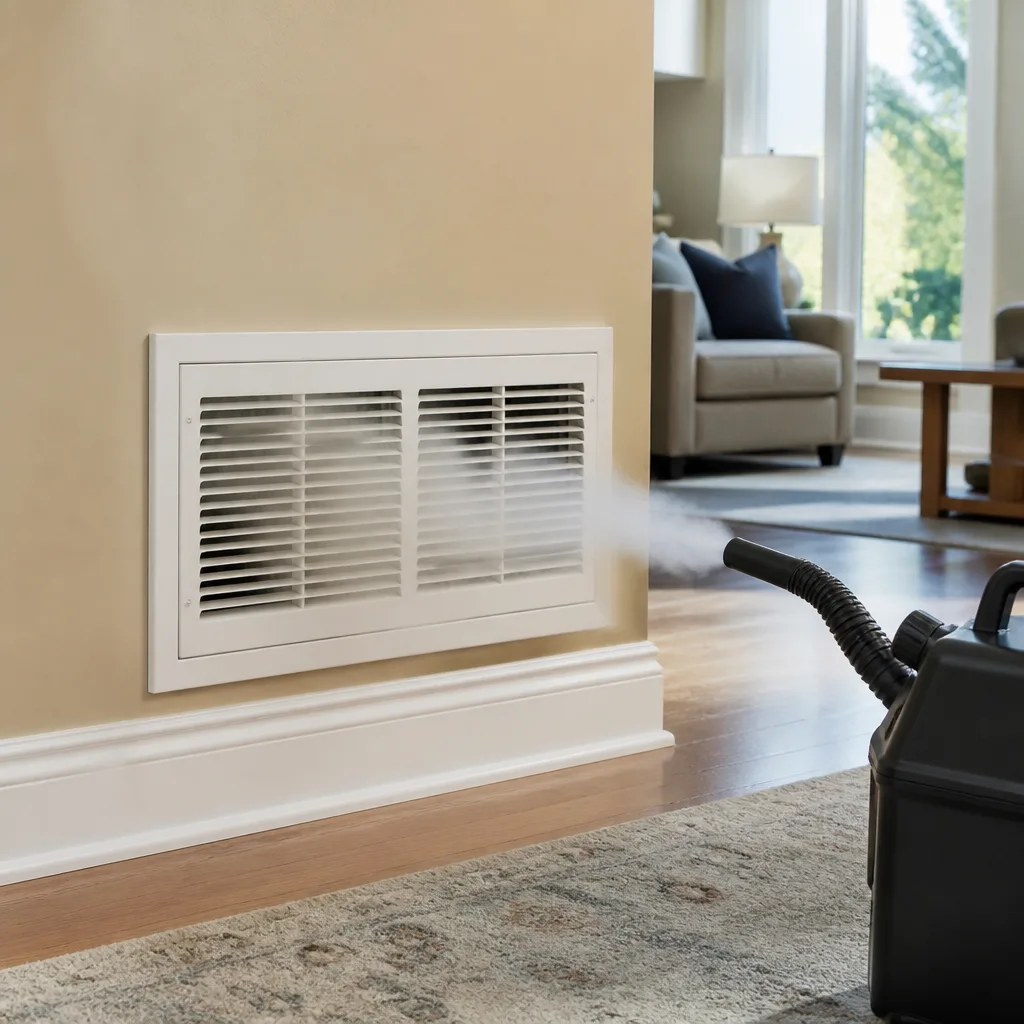 Sanitizing & deodorizing
Whole-system duct and dryer vent check with before-and-after photos - you see exactly what came out of your vents
That "$99 whole-house special" is a bait ad - the real number appears once they are in your hallway, or the "clean" is a shop-vac at the register. We photograph the inside of your ducts before and after instead.
Air Duct Cleaning Permits, Codes & Inspections in Kirkland, WA: What You Need to Know
Here’s the part of a duct cleaning quote most homeowners skim right past: the word “repair.” Cleaning a duct system is maintenance. Cutting into a wall to replace a run of flex duct is construction, and in Washington it lands under the state mechanical code and the City of Kirkland’s permit process. Plenty of bids fold repair and replacement into one flat total without a word about permits, and the homeowner never learns the difference until a resale inspection or an insurance claim surfaces the problem. This guide draws the line for you: what truly needs no permit in Kirkland, what crosses into permit-required mechanical work, who pulls the permit, and how to check that it happened.
Quick Answer
Air duct cleaning by itself does not require a permit in Kirkland, Washington, because it’s routine maintenance of an existing system. The moment a technician physically alters the ductwork, though – replacing flex duct, cutting in a new branch run, rebuilding a plenum, or changing how the air handler connects – the job becomes mechanical work governed by the Washington State Mechanical Code (WAC 51-52) and typically requires a mechanical permit from the City of Kirkland. Repair work that changes the system needs a permit; cleaning that doesn’t change it does not.
Styles & brands we work with
- Whole-home duct cleaning
- Dryer vent cleaning
- Camera inspection
- Sanitizing & deodorizing
Table of Contents
- Where the Permit Line Actually Sits
- What the Washington Mechanical Code Covers
- How Kirkland’s Mechanical Permit Process Works
- Duct Repair Scenarios That Cross Into Permit Territory
- How to Verify Your Contractor Is Pulling Permits
- Inspection Requirements and Your Certificate of Completion
- HVAC Cleaning and Air Quality Upgrades: What’s Regulated
- Keeping Records for Resale and Insurance
Where the Permit Line Actually Sits
The permit question comes down to one idea: are you cleaning the system that’s already there, or are you changing it? Cleaning removes debris from a duct system whose size, layout and connections stay exactly the same. Changing means the system is physically different when the technician leaves than it was when they arrived. Kirkland draws the same distinction the state does, and it matters because the two jobs carry completely different obligations.
Think of it in three tiers:
- Maintenance (no permit): source removal of dust, debris and microbial buildup from supply and return ducts, sanitizing, and cleaning of the air handler components that stay in place. This is the core of air duct cleaning and needs no permit.
- Permit-required mechanical work: replacing a section of flex duct, cutting a new supply or return run, rebuilding duct board, modifying a plenum, or changing the air handler connection. If the system’s footprint or materials change, a Kirkland mechanical permit typically applies.
- Adjacent work (own rules): dryer vent cleaning is maintenance, but a dryer vent that gets rerouted or extended touches building code. Air-quality add-ons like a Honeywell or Aprilaire filter system may or may not need a permit depending on how they connect to the ductwork.
We’ve seen more confusion in this one area than anywhere else in the trade. A quote that uses the words “repair” and “replacement” and never mentions permits isn’t automatically wrong – some repairs are minor enough that the local building department wouldn’t require one. But a homeowner who never hears the question asked should treat that as a yellow flag. In our experience at Kirkland Air Duct Cleaning Pros, the honest answer to “do I need a permit for this?” is sometimes “no” and sometimes “yes,” and it’s always worth asking before the work starts.
What the Washington Mechanical Code Covers
The Washington State Mechanical Code, adopted as WAC 51-52, is the state’s version of the model mechanical code and it governs the installation, alteration, repair and maintenance of mechanical systems – which includes the ductwork that moves conditioned air through your Kirkland home. The code exists to make sure duct systems are sized correctly, sealed properly, supported adequately, and connected in a way that doesn’t leak carbon monoxide, compromise fire separations, or fall apart in an attic.
For a duct cleaning customer, the relevant parts of the code cluster around a few themes:
- Alterations versus maintenance. The code treats altering a system differently from maintaining it. Replacing a length of duct or adding a branch is an alteration and needs to meet current code; brushing out the inside of an existing duct is maintenance.
- Materials and sealing. Where duct is replaced, it has to be the right material for the application and sealed to code. A technician taping up a bare hole with whatever’s in the truck isn’t meeting that bar.
- Connections between equipment. The joint between the air handler and the supply plenum, and the joint between the plenum and the first branch, get scrutiny because those are the leak-prone points where the system loses a meaningful share of its air.
- Support and access. Duct has to be supported and accessible per the code, which is why a repair in a tight Kirkland crawlspace or a low attic sometimes costs more than the same repair in a basement.
You don’t need to read WAC 51-52 before booking a cleaning. You do need to know it exists, because it’s the backbone of the permit question. The code doesn’t say “cleaning needs a permit.” It says mechanical alterations and installations meet certain standards and are inspected – and that’s the doorway a permit-required repair walks through. When a contractor tells you a repair “doesn’t need a permit,” the correct follow-up is “why not?” A knowledgeable answer references scope. A vague one doesn’t.
How Kirkland’s Mechanical Permit Process Works
Kirkland runs its own building department and issues mechanical permits for work on residential duct and HVAC systems that exceeds maintenance. If a repair to your system requires a permit, here’s the process in general outline:
- Scope of work defined. The contractor describes exactly what’s being changed: the length of duct, the new branch, the plenum modification, the equipment swap. A vague description gets a permit that doesn’t cover the actual work.
- Permit application filed. Either the homeowner or the contractor can technically apply, but for repair work the contractor is the right party to pull it. The applicant is who the record shows responsible.
- Fee paid and permit issued. Mechanical permits carry a fee based on the scope, and issuance usually happens within a short working window if the application is complete.
- Work performed and inspected. The technician does the repair, and the city sends an inspector to look at the finished work against the code. Some work requires inspection at a couple of stages, depending on what’s being altered.
- Inspection approved, permit closed. Once the inspector signs off, the permit record reflects a completed, code-compliant job – and you can request documentation of that for your records.
Turnaround in Kirkland depends on the building department’s current workload and the completeness of the application, so we don’t quote a specific number of days. The point is the sequence is normal and routine – it’s not an unusual burden. What’s unusual is a contractor who skips it. Moving forward without a permit means the repair is unpermitted, which can trip up a resale inspection and complicate an insurance claim later. If a quote for duct repair is materially cheaper than another quote for the same work, ask whether the difference is the permit fee and the inspection. Sometimes the price gap answers itself.
Duct Repair Scenarios That Cross Into Permit Territory
Not every repair requires a permit, and it’s worth being clear about which ones do. Here are the common scenarios where duct work crosses from maintenance into permit-required mechanical work in Kirkland:
- Duct board replacement. Duct board is the rigid insulated material used in many plenums and trunk lines. Replacing a section is an alteration, not a cleaning, and typically needs a permit.
- Plenum modification. The plenum is the box where the air handler connects to the supply or return trunk. Cutting it, resizing it, or reconnecting it is alteration work.
- New branch runs. Adding a supply or return to a room that didn’t have one changes the system’s design and requires a permit.
- Flex duct replacement. Replacing a crushed or disconnected run of flex duct alters the system. It also has to be installed to code – supported, sealed, and sized correctly.
- Rerouting ductwork. Moving a run of duct to get it out of a remodel’s way needs a permit and an inspection.
- System changes tied to equipment swaps. When a furnace or air handler changes and the duct connections change with it, that’s mechanical work.
Contrast those with work that’s normally maintenance and needs no permit: cleaning supply and return ducts, sanitizing, cleaning the air handler’s accessible components, cleaning a dryer vent, and installing a filter or an in-duct air-quality product that doesn’t change the ductwork itself. Our approach at Kirkland Air Duct Cleaning Pros is to repair what we find, not just clean around it – and when a repair crosses into permit territory, we walk the homeowner through what’s required before the job leaves the estimate stage. That conversation matters more than the difference in price, because it determines who’s accountable if something goes wrong later.
How to Verify Your Contractor Is Pulling Permits
The simplest way to check is to ask, in writing, before work begins, whether a permit is required – and to ask the contractor to show you the permit number and the scope it covers once it’s issued. A contractor working above board can answer that question in a sentence. A contractor working around it usually can’t.
Here’s a practical verification sequence:
- Ask the scope question. “Is this repair a maintenance item or an alteration?” If the answer is “alteration,” a permit is likely required.
- Ask who pulls it. For repair work, the contractor should pull the permit. If a contractor suggests you pull it as the homeowner, treat that as a warning sign – the responsible party is the one doing the work.
- Ask for the permit number once filed. You can confirm it against the City of Kirkland’s records. The permit should name the scope you agreed to.
- Ask when the inspection is scheduled. The permit isn’t complete until the inspection passes. The contractor should be able to tell you when that’s happening.
- Get the closed permit and inspection documentation at the end. Keep it with your home records.
Why do some contractors skip the permit? Sometimes it’s a misunderstanding of what counts as an alteration. Sometimes it’s speed. Sometimes it’s cost – the permit fee and the inspection time add to the bill, and a contractor quoting against a lower bid has an incentive to skip it. In our experience, the honest contractors factor the permit into their quote upfront, and the homeowners who ask the question before work starts are the ones who never end up with a surprise during a resale inspection. If a contractor can’t or won’t discuss permits openly, that tells you what you need to know about the rest of their work.
Inspection Requirements and Your Certificate of Completion
When a permit is required, the work is normally inspected before the permit closes. The inspector looks at the finished repair against the code – materials, sealing, support, connections – and either approves it or asks for a correction. Once the inspection is approved, the city closes the permit, and that’s your paper trail.
Getting the documentation is straightforward. Here’s what to ask for and keep:
- The permit number and the scope it covered. This is your record of what was approved and when.
- The inspection approval. The inspector’s sign-off on the completed work.
- A written description of the repair. The scope, the materials, and the technician’s notes on what was changed and why.
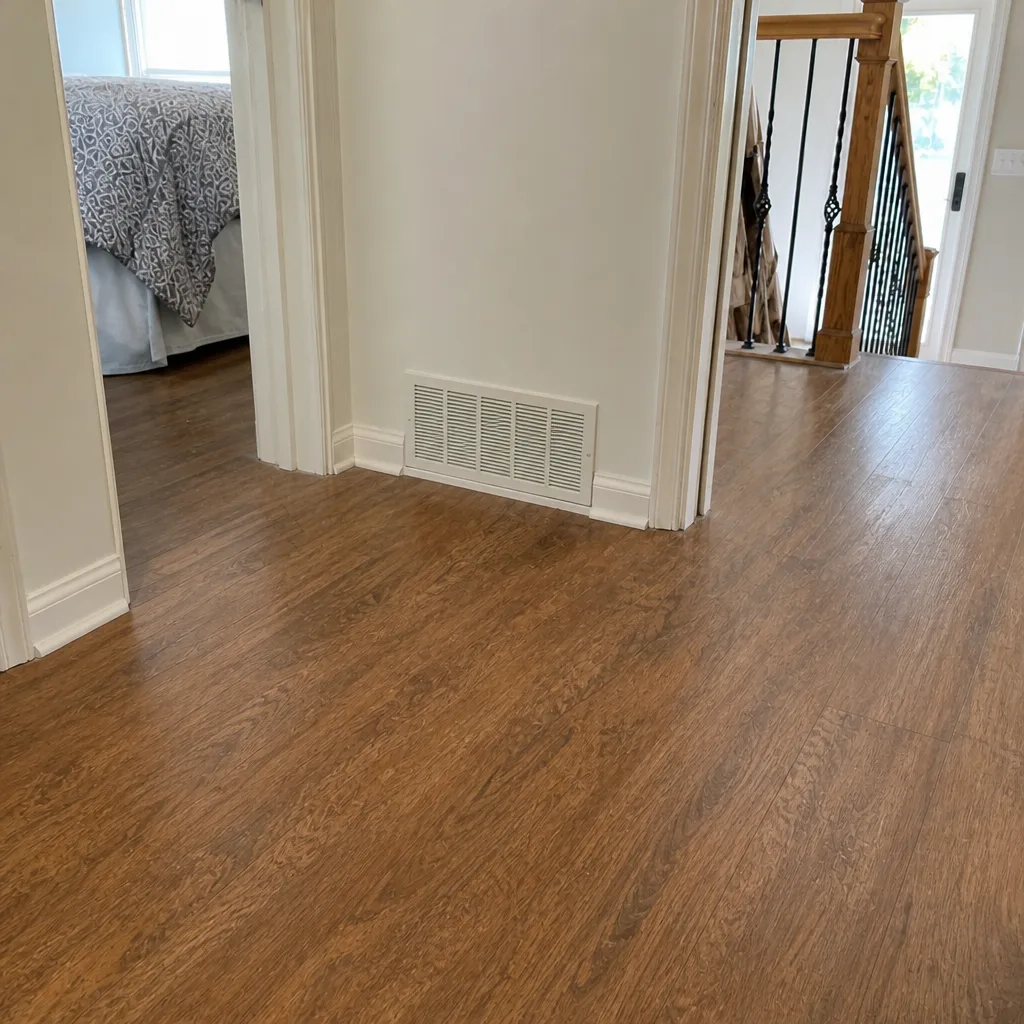
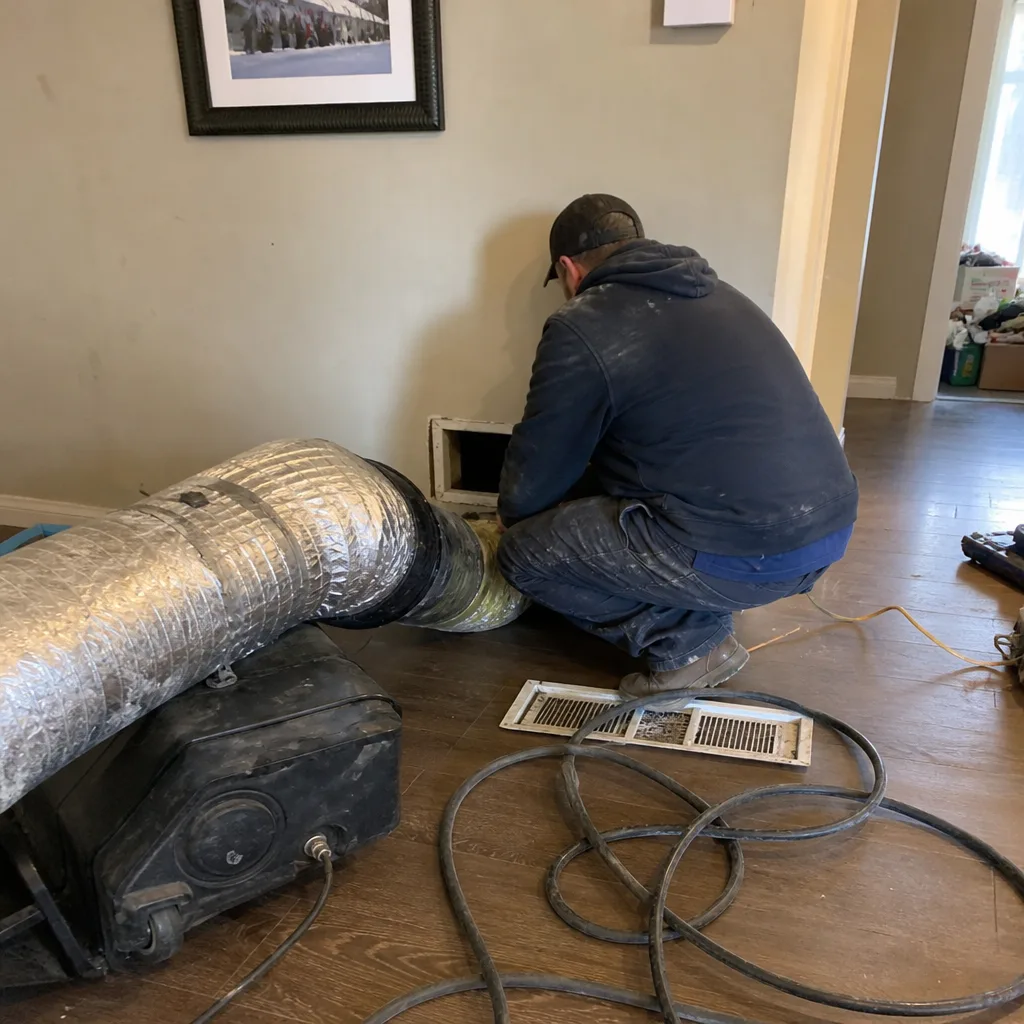
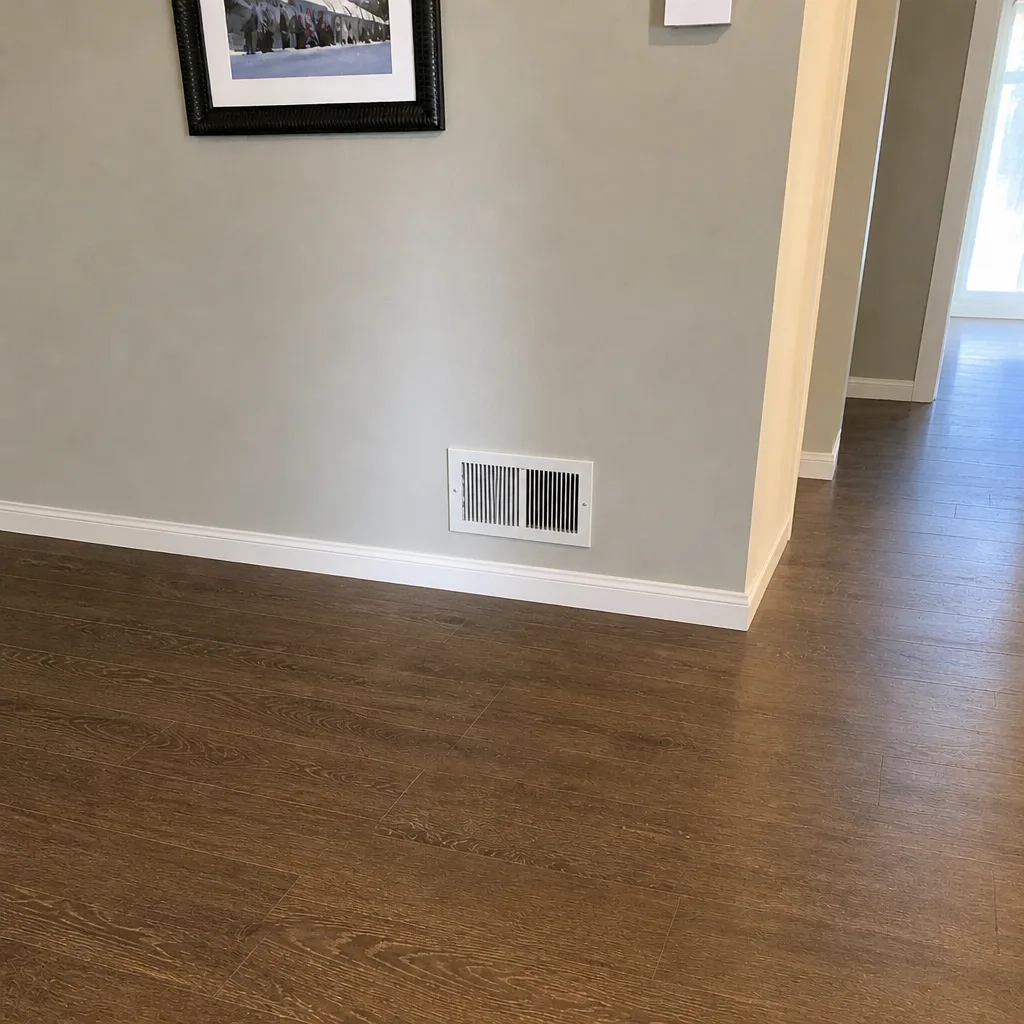
- Before-and-after photos. Any decent contractor takes them, and they’re the visual record of what was actually done. Our technicians use professional Rotobrush and Nikro systems and document the ductwork before and after the work; the homeowner gets the photos as part of the job record.
- The air-quality product documentation. If a Honeywell or Aprilaire system was installed, keep the model information and the install record with the permit paperwork.
A certificate of completion for a permitted job isn’t a single document most jurisdictions hand over – it’s the record of the closed permit plus your repair documentation. Together they tell the next home inspector, the next HVAC contractor, and a future buyer exactly what was done and who approved it. If you ever sell a Kirkland home, that record answers the question a buyer’s inspector will ask before you even hear it.
HVAC Cleaning and Air Quality Upgrades: What’s Regulated
The line gets fuzzier when you move from the ducts themselves into the equipment and the air-quality add-ons that live inside the duct system. Cleaning the air handler and its accessible internal surfaces is maintenance. Modifying the cabinet, changing the filter rack, or installing a piece of equipment that alters the airflow path is closer to mechanical work, and whether a permit is required depends on the change.
Here’s how the common upgrades usually sort out:
- Filter upgrades. Swapping a filter for a higher-MERV filter doesn’t change the ductwork, so it’s normally not a permit item. But the filter has to match the system – a filter that’s too restrictive can starve airflow – so the recommendation should come from someone who understands the system.
- In-duct air-quality equipment. A media filter cabinet from Honeywell or Aprilaire, or a UV or filtration system, is an add-on. If it’s installed inside or attached to the ductwork, it can trigger a permit-required alteration depending on the connection. Ask.
- Duct sealing. Sealing leaks at accessible joints is maintenance. A true duct-sealing project that involves cutting in or making significant system changes may need a permit depending on scope.
- Sanitizing treatments. We use Guardsman-grade protective treatments as part of the sanitizing scope, and that’s maintenance – it doesn’t change the system.
HVAC cleaning at Kirkland Air Duct Cleaning Pros covers the air handler components the way a duct cleaning covers the runs, and we flag any observation that would require a permitted repair before a homeowner commits. The abatement equipment we bring in during a job captures dislodged contaminants while work is in progress, which matters in a house with allergy sufferers, pets, or kids – the work stays contained. If a job shifts from cleaning to altering, the permit conversation happens before the alteration, not after.
Keeping Records for Resale and Insurance
Permit records matter most at two moments: when a homeowner files an insurance claim, and when a home changes hands. On a claim, an insurer wants to know what was done, by whom, and whether it was approved. On a resale, a buyer’s inspector will look hard at any recent duct or HVAC work, and an unpermitted alteration – even one that was done well – can become a negotiation point. Kirkland homeowners who keep permit paperwork with their maintenance records avoid both headaches.
A simple folder works. Keep the date of the job, the scope, the permit number if applicable, the inspection record, the contractor’s invoice, and the before-and-after photos. If a Honeywell or Aprilaire system was installed, keep the product manual and install sheet. If the job was a plain cleaning with no alteration, note that too – a dated cleaning record with photos still answers the “has this system been maintained?” question a buyer’s inspector asks.
Highland, Market, Juanita, Bridle Trails and the other Kirkland neighborhoods all sit in the same climate: wet, mild, with a long stretch of closed-window heating season that keeps dust, pollen and pet dander cycling through the same ducts for months. That’s the reason a cleaning schedule is worth keeping in the first place – not because the code compels it, but because a system that isn’t serviced shows it. Neighbors often compare notes on contractors, and the homeowners who can produce a record from last time are the ones whose recommendations hold weight. Records are cheap; a contested resale inspection is not.
Common Mistakes to Avoid
- Treating “duct repair” and “air duct cleaning” as the same line item. They’re different regulatory categories, and a quote that lumps them together without explaining which is which is worth a second look.
- Thinking a cleaner quote is a better deal without asking what it excludes. A permit fee and inspection time sit inside a legitimate repair quote. If one bid is much lower, ask whether the permit is in it – the gap is often exactly that.
- Pulling the permit yourself as the homeowner. For repair work the contractor should pull it. If you pull it, you hold the responsibility for work you didn’t do.
- Not keeping the inspection record. An approved inspection is your proof the work was done to code. Skip the record-keeping and you lose the proof.
- Letting a technician caulk or tape over a problem without documenting it. A quick fix isn’t a repair; if the underlying issue is a crushed flex run or a failing plenum, surface patching hides it.
- Ignoring the connection between duct repair and inspection scope. The city inspects the scope the permit lists. If the repair grows on site, the permit needs to reflect that, or the extra work is unpermitted.
- Booking a “repair” from a platform ad without asking how they handle permits. A one-line question – “do you pull Kirkland permits when a repair requires one?” – filters out most of the problem.
See the difference
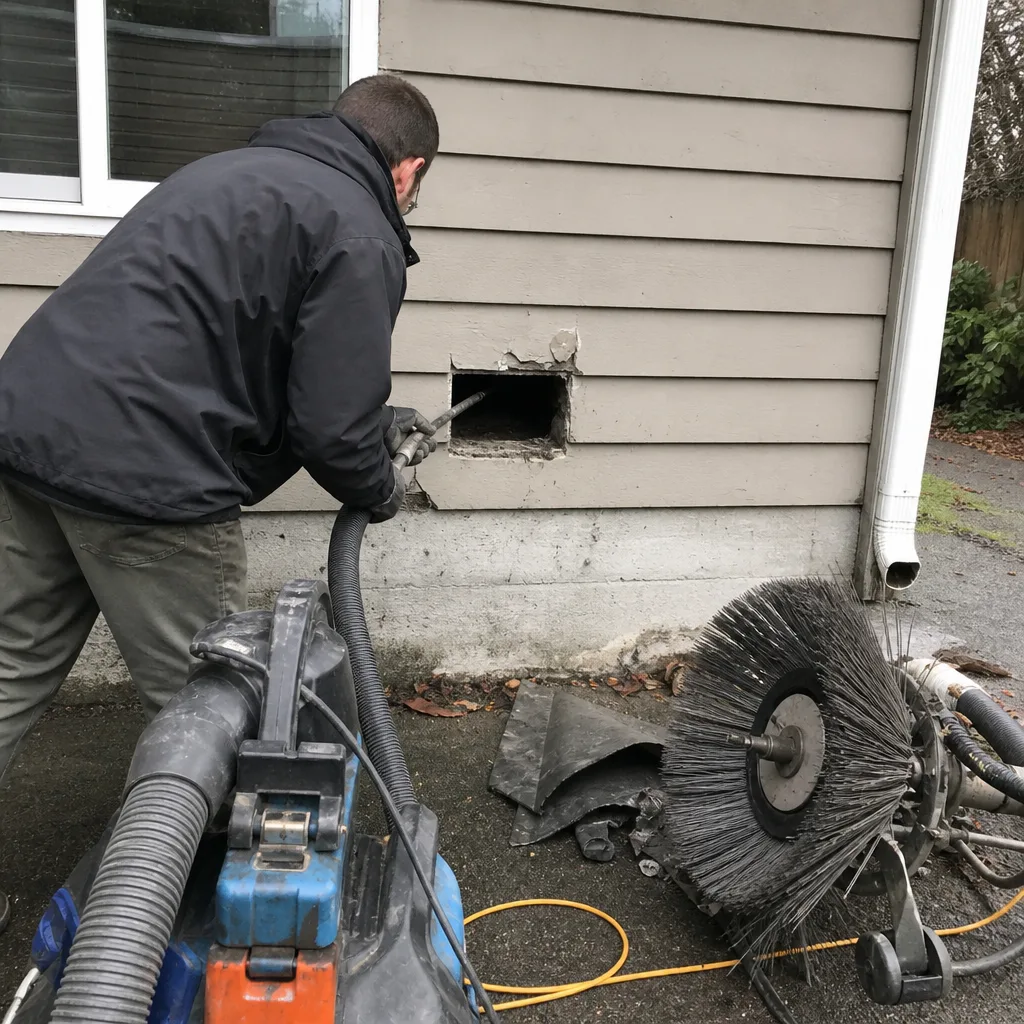 Before
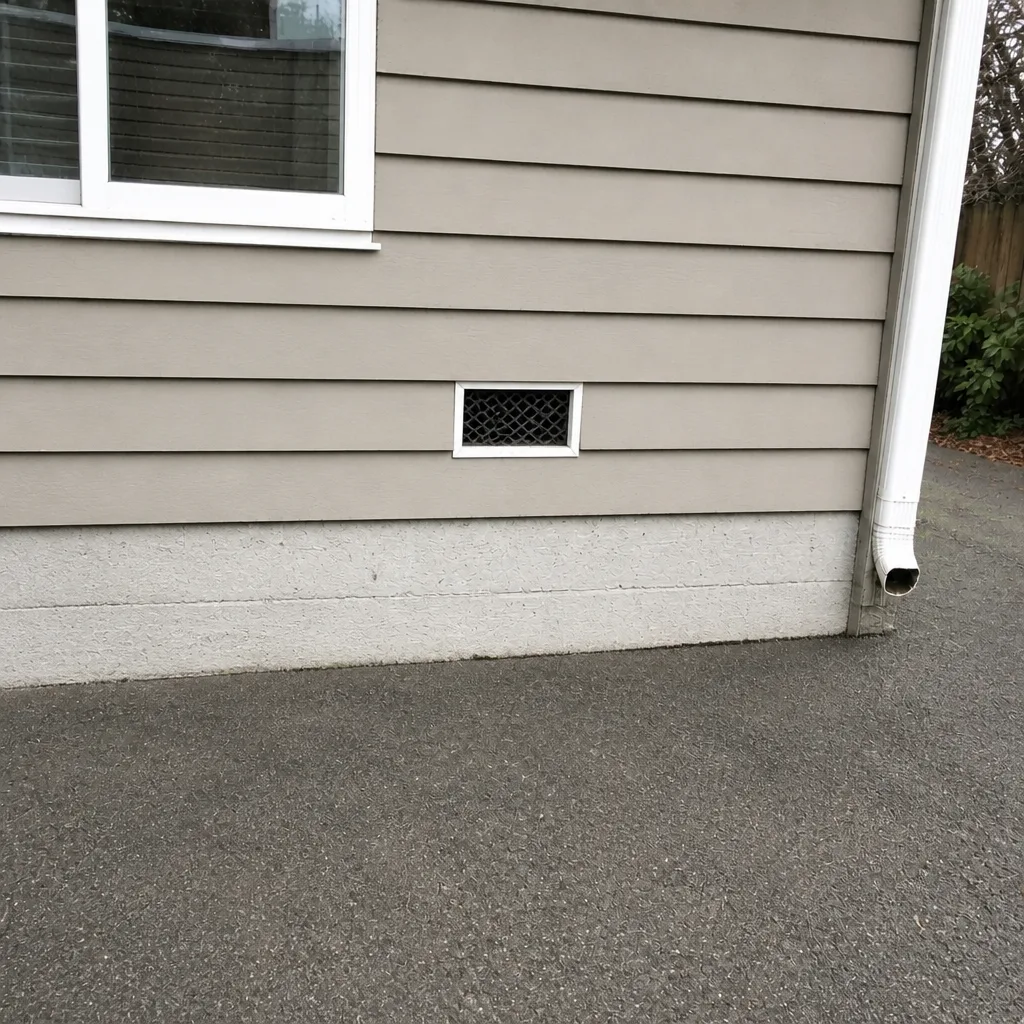 After
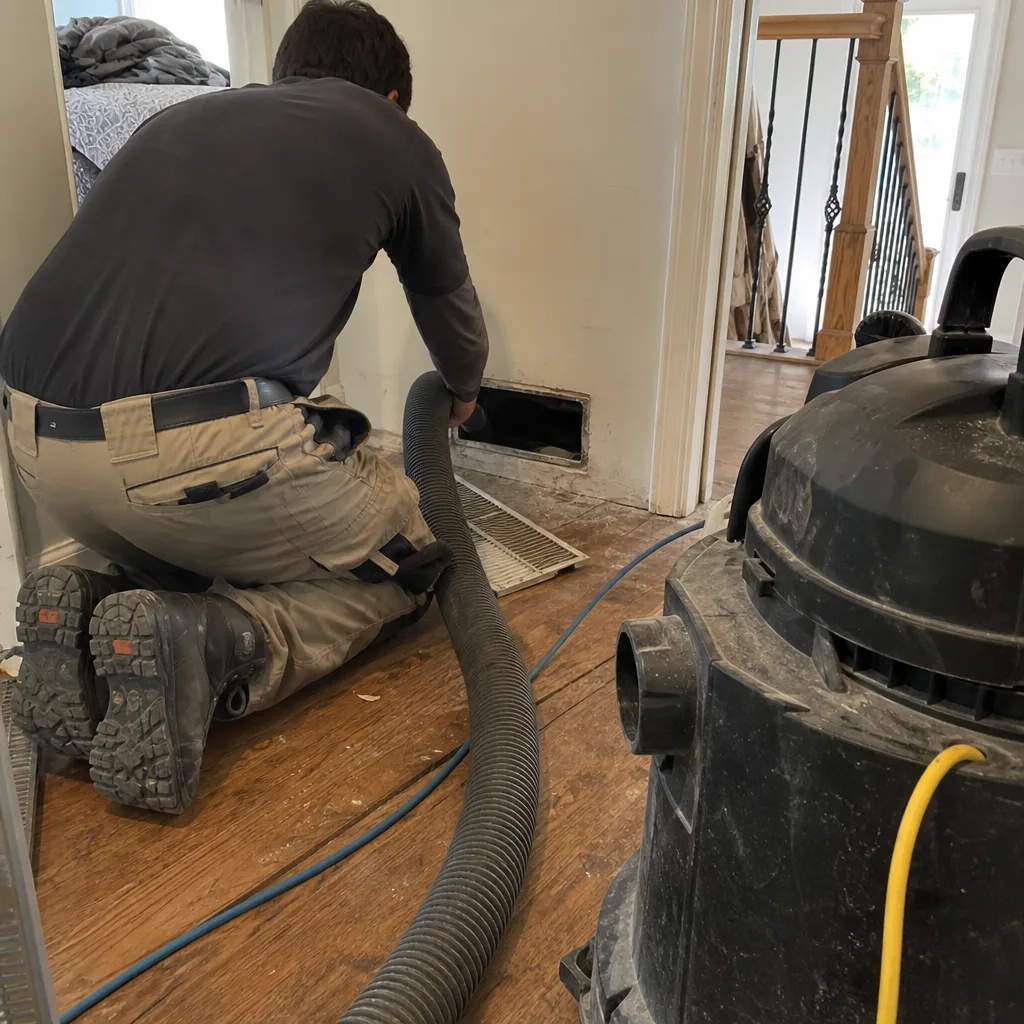 Before
 After
 Before
 After
When to Call a Professional
Some things are safe to look at yourself and some aren’t. If you see visible debris blowing out of a supply register, a crushed or disconnected run of flex duct in the attic or crawlspace, musty odors that get worse when the system runs, or an air handler that’s connected to the ductwork with duct tape and hope, call a professional. If you’ve had a renovation and want the ducts cleaned before the family moves back into the space, that’s a scheduled job, not a Saturday-night emergency – but it’s still best to have someone who knows the system look at it. If you’ve recently bought a Kirkland home and don’t know when the ducts were last serviced, a professional inspection tells you what you’re working with. Kirkland Air Duct Cleaning Pros offers free estimates in Kirkland – call (833) 509-3011. We answer 24/7. Fast dispatch from 7am to 7pm, Sunday through Friday. Our technicians have up to 9 years of experience, and the local pro is licensed and insured as the state requires.
Frequently Asked Questions
No – cleaning an existing duct system is routine maintenance and doesn’t require a permit in Kirkland. If the technician is only removing debris and sanitizing, no alteration to the system takes place and the mechanical permit rules don’t apply. If the job shifts to replacing flex duct, modifying a plenum, or adding a branch, a permit is typically required. Call (833) 509-3011 for an exact quote – estimates are free.
Duct board replacement, plenum modification, new branch runs, flex duct replacement, rerouting, and connections that change with an equipment swap all cross into permit-required mechanical work under WAC 51-52. Cleaning and sanitizing are maintenance and stay out of that category. If a contractor can’t clearly explain which category a repair falls into, ask them to put it in writing. Call (833) 509-3011 for an exact quote – estimates are free.
The contractor pulls it. The party doing the work is the party responsible for the permit and the inspection, and Kirkland’s building department expects the application to reflect the actual scope of the job. A contractor who asks you to pull the permit for work you’re not doing is shifting the accountability onto you. Call (833) 509-3011 for an exact quote – estimates are free.
Turnaround depends on the building department’s current workload and how complete the application is, so we don’t quote a number of days. In practice, a routine mechanical permit for duct repair is a normal part of the job, not an unusual burden. The larger concern is the opposite case: a repair done without a permit, which can become a problem at resale or during an insurance claim. Call (833) 509-3011 for an exact quote – estimates are free.
Ask for the permit number and the inspection approval once the job is complete, and keep them with your repair documentation. Our technicians take before-and-after photos of the ductwork and provide them with the job record, so you can see what was cleaned and what was repaired. If a permit was required, the closed permit is the proof the city signed off. Call (833) 509-3011 for an exact quote – estimates are free.
The cheapest quotes often exclude the permit fee, the inspection time, and the documentation – and sometimes the scope itself, meaning the repair won’t be inspected by the city. A quote that skips the permit is not the same job. One flat price per system, agreed before work starts, and before-and-after photos of your own ducts, is the honest way to compare. Call (833) 509-3011 for an exact quote – estimates are free.
The Bottom Line
Air duct cleaning in Kirkland doesn’t require a permit, and that’s true whether the job is a routine cleaning or a deep clean with sanitizing. The line appears when the work changes the system – replacing flex duct, rebuilding a plenum, adding a branch, or altering how the air handler connects. At that point, WAC 51-52 and the City of Kirkland’s building department take over, and the contractor should be the one pulling the permit and providing the inspection record. Keep that record with your home’s files. When you’re ready for a repair or a cleaning, call (833) 509-3011. We answer 24/7. Fast dispatch from 7am to 7pm, Sunday through Friday. Estimates are free.
Written by the team at Kirkland Air Duct Cleaning Pros.