
Last updated November 25, 2026
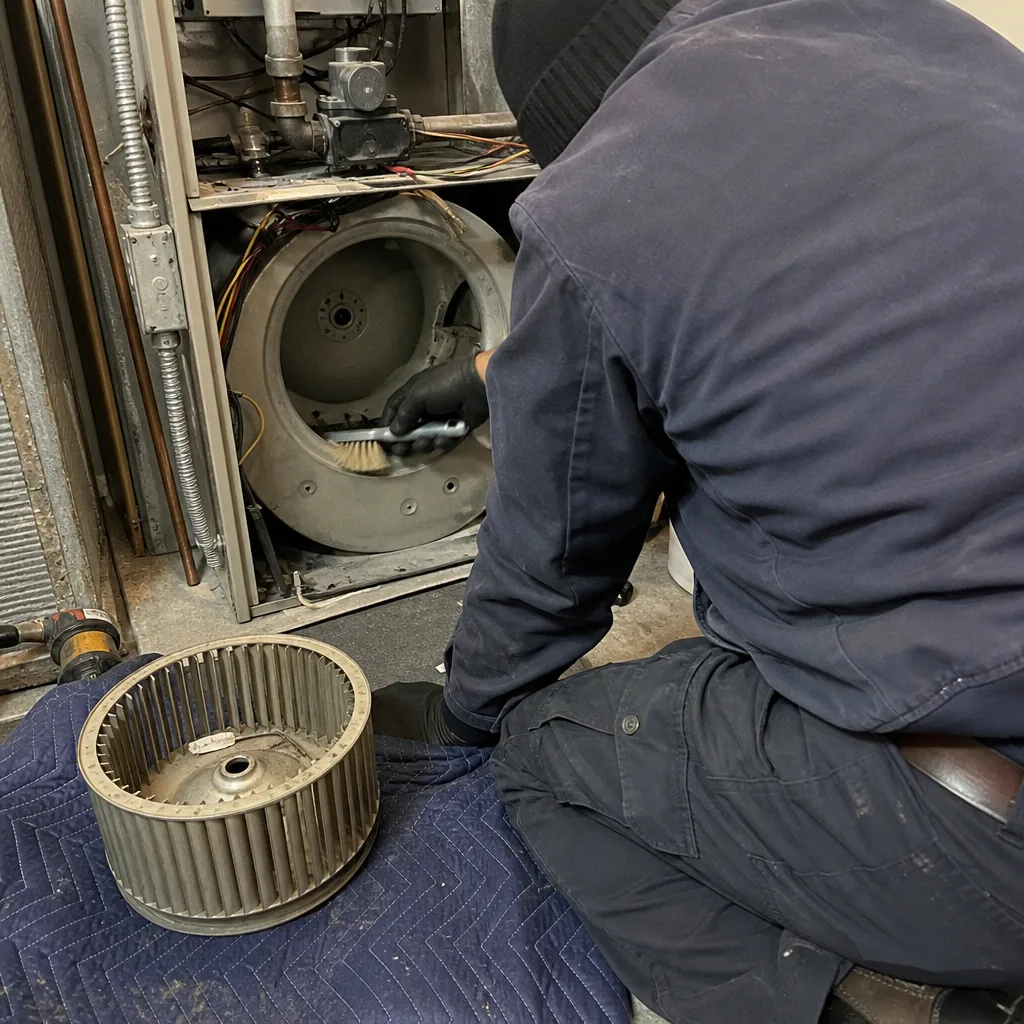
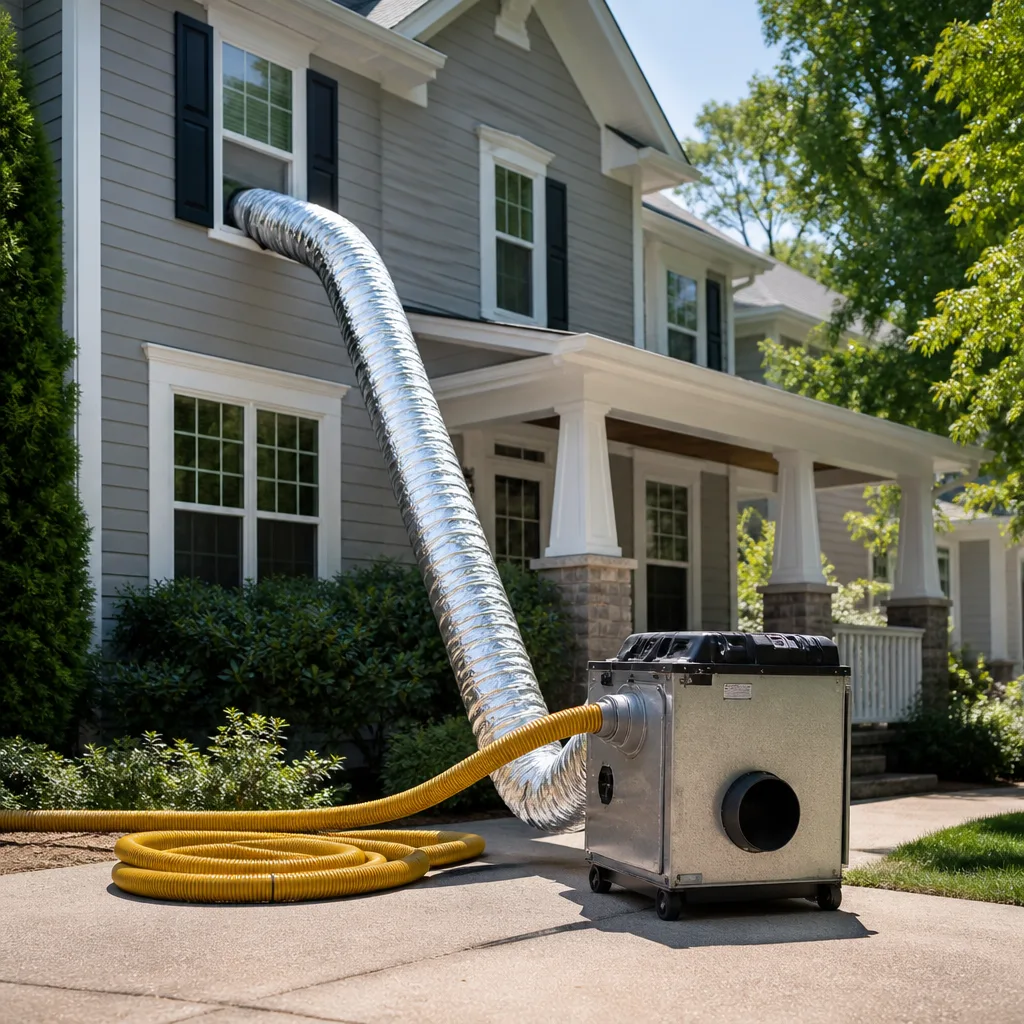 Whole-home duct cleaning
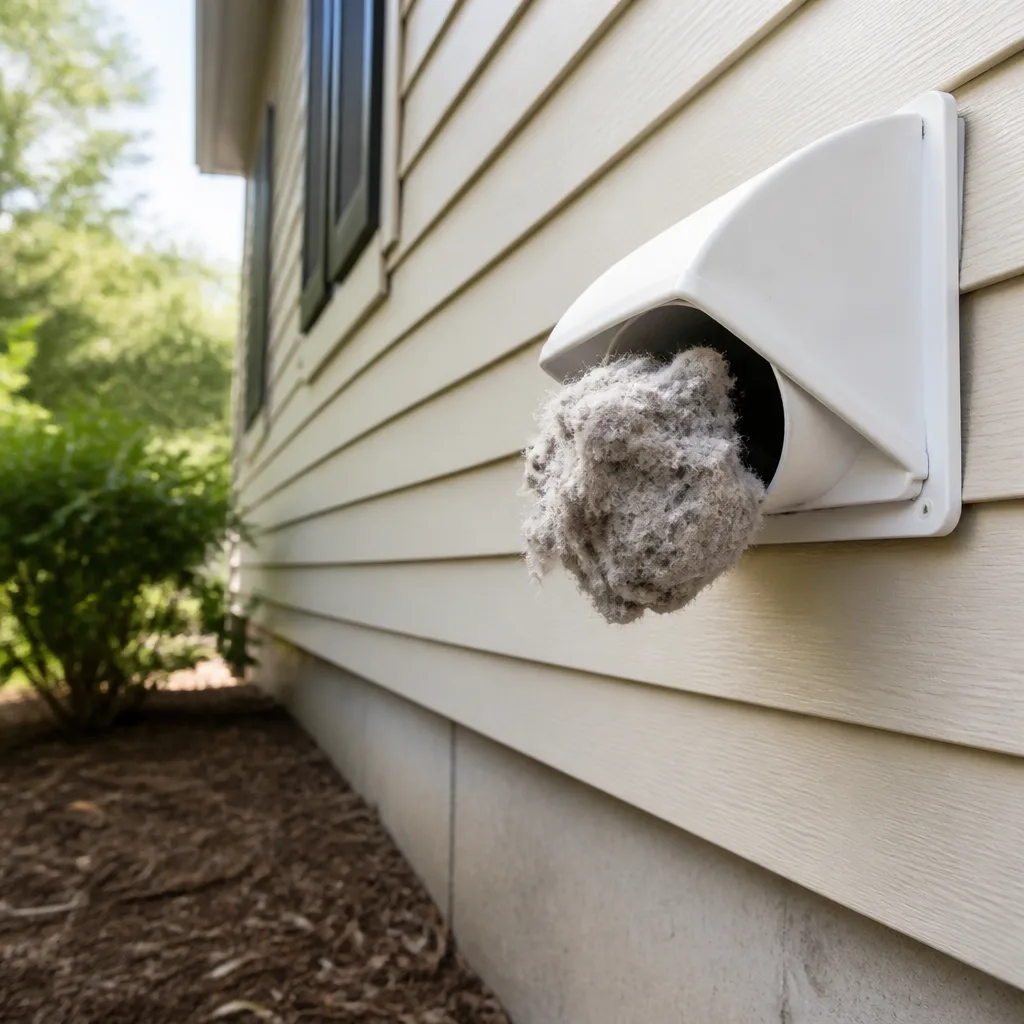 Dryer vent cleaning
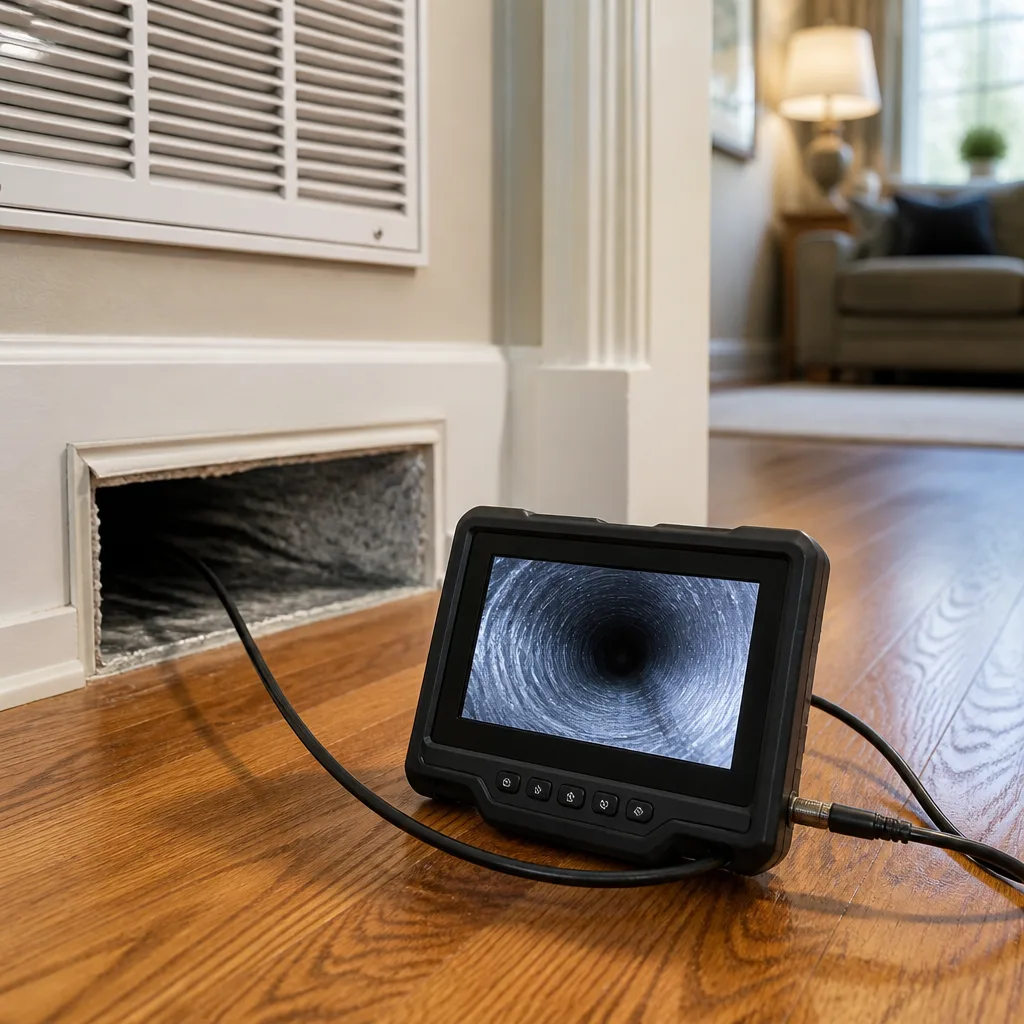 Camera inspection
 Sanitizing & deodorizing
Whole-system duct and dryer vent check with before-and-after photos - you see exactly what came out of your vents
That "$99 whole-house special" is a bait ad - the real number appears once they are in your hallway, or the "clean" is a shop-vac at the register. We photograph the inside of your ducts before and after instead.
Air Duct Cleaning Maintenance Checklist for Kirkland Homeowners
Changing your furnace filter on schedule feels responsible, and it is. But that clogged filter is doing its job correctly: it’s stopping debris before it reaches the blower and the duct trunk. What gets past it over months and years, plus what settles inside the ducts themselves, is a separate story. Here’s the part most Kirkland homeowners miss: a duct maintenance checklist isn’t a cleaning schedule. It’s a monitoring protocol. You’re not tracking dust, you’re tracking change. This guide gives you the specific visual and olfactory checkpoints you can run at your registers and air handler with no tools, a simple way to log them, and clear thresholds for when a finding means “watch it” versus “call a specialist.”
Quick Answer
An effective air duct maintenance checklist is a quarterly walk-through of your supply registers, return vents, and air handler cabinet, where you check for dust streaking, dark staining, musty odors, and condensation, and date each observation in a log. When a finding repeats for two consecutive checks, or when you see visible debris at the return or a persistent odor, it’s time for a professional inspection. A full duct cleaning is warranted when that inspection confirms buildup, moisture, or microbial growth rather than surface dust alone.
Styles & brands we work with
- Whole-home duct cleaning
- Dryer vent cleaning
- Camera inspection
- Sanitizing & deodorizing
Table of Contents
- How to Read a Used Filter
- The Register and Return Checkpoints
- What to Look For at the Air Handler Cabinet
- Moisture Indicators in Kirkland’s Climate
- How to Log and Date What You Find
- When a Finding Means Inspection vs. Cleaning
- The Dryer Vent Belongs on the Same Checklist
- Common Mistakes to Avoid
How to Read a Used Filter
The filter is your cheapest diagnostic tool, and most people replace it without looking at what it caught. A used filter is a snapshot of what your air carries and where it enters the system. Read it before you toss it.
When you pull the filter, hold it up to light and note three things: where the gray loading is heaviest, whether the debris is fine dust or fibrous, and whether there’s any dark biological staining rather than plain dust. Heavy loading on one face but clean edges usually means a gap at the filter frame, so unfiltered air is sneaking around the sides. Uniform light-gray dust across the whole panel is normal household load. A filter that blacks out in a matter of weeks in a Kirkland home with a pet or a recent renovation is telling you the system is pulling in more than filtration alone can manage.
Your filter’s MERV rating tells you what it’s designed to stop, not what your ducts actually contain. A high-MERV filter installed on a system not rated for it can restrict airflow, which stresses the blower and doesn’t clean anything downstream. So don’t upgrade the rating as a substitute for monitoring. Instead, use the loading pattern to decide where to look next.
- Heavy loading at the frame edges: check the filter housing seal.
- Fibrous, linty debris: points toward pet hair and return-duct pickup.
- Dark or gray-black staining: note the date and check for odor at supply registers.
- Sudden faster loading after an event: renovation dust, a new pet, or a change in filter brand all matter.
If the pattern you’re seeing over repeated filter changes suggests debris is already moving through the trunk, a professional evaluation of your air duct cleaning needs is the next step, not a higher filter rating.
The Register and Return Checkpoints
Your registers are the windows into the whole system, and you can read them in under five minutes per room. The supply registers tell you what’s being pushed into the room; the returns tell you what’s coming back to the air handler. They don’t read the same way.
At each supply register, run a finger along the inside lip of the grille and look at the damper blades behind it. A light even film is normal. Streaking dust trails fanning out from the register, or a distinct dark outline of the grille on the wall or ceiling around it, points to air that’s carrying more than it should. At the returns, look into the throat of the vent with a flashlight: you’re checking whether you can see the duct wall clearly or whether debris is coating the surface. A return that looks furred or fuzzy on the inside is a stronger signal than anything you’ll see at a supply.
- Photograph each register on your first pass so you have a baseline.
- Wipe the inside lip of each supply grille with a white cloth and note the color of the residue.
- Shine a flashlight into each return throat and note whether the interior is visibly coated.
- Sniff near the return while the system is running. Odor at the return is more diagnostic than odor in the room.
- Repeat quarterly and compare the current photo to the baseline.
Kirkland homes built across the 1960s through the 2000s sit on a wide range of duct materials, from older sheet-metal trunk lines to flexible insulated runs. The grille tells you how much is moving; the material tells you how it behaves when it does.
What to Look For at the Air Handler Cabinet
The air handler cabinet is where the checklist concentrates, because every ounce of air in the house passes through it. Open the filter door and look past the filter into the blower compartment and the duct connection with a flashlight. You should see clean metal or clean insulation. If the cabinet interior is visibly coated, if you can see debris built up on the blower wheel, or if the joint where the return duct meets the cabinet has separated or is taped loosely, note it.
Do not open the blower compartment cover or reach into the cabinet. That’s a job for a trained technician, and the blower and internal wiring are both hazards. What you’re doing is a visual read through the filter opening, nothing more. If anything inside looks damaged, wet, or heavily coated, close the door and write it in your log.
Two cabinet findings are worth an immediate call: moisture or standing water at the cabinet base, and a musty odor that appears only when the blower starts. Both point to conditions a cleaning or a HVAC cleaning and inspection can diagnose properly. The repair-and-seal side matters too, since a separated return connection is a direct path for unfiltered air to bypass the filter entirely. That’s the kind of problem we repair, not just clean around.
Moisture Indicators in Kirkland’s Climate
Moisture is the single most important thing on this checklist, and it’s the finding homeowners most often misread. Kirkland’s climate brings cool, damp air through the fall and winter and warm, humid stretches in summer. Both produce condensation patterns on ductwork that a drier climate never shows, and both deserve attention.
In summer, on a system running air conditioning, a small amount of condensation on cold supply ducts is normal. What you’re watching for is whether it clears or persists. Beads of water that reappear on the same register day after day, water stains on the ceiling or wall around a register, or a musty smell that builds in settled rooms rather than at the vents tend to point to duct insulation that has lost its seal or a vapor barrier that’s failing. In fall, as the system switches to heating, a musty odor on first startup that clears in a few minutes is usually settled debris; one that lingers past the first week of the season means moisture and biological growth somewhere in the run.
- Condensation on supply registers: normal in summer; a problem if it’s persistent or staining.
- Musty odor in fall: log the date it first appears and the date it clears.
- Ceiling or wall stains near a register: treat as an active finding and call.
- Cool, damp rooms that never even out: may point to duct leakage pulling in outside air.
Moisture is the one category where we don’t suggest you wait for a second observation. Persistent damp in a duct system feeds microbial growth and degrades the duct, and that’s a job for professional sanitizing rather than more observation. When a moisture finding turns up, that’s when a full service call that combines cleaning, sealing, and a Guardsman-grade protective treatment makes sense.
How to Log and Date What You Find
A checklist without dates is a memory exercise, and memory is where this kind of monitoring breaks down. The value of your log comes from correlation: a change on a specific date means much more when you can compare it to the events around it. A new pet, a kitchen remodel, a filter brand change, or an HVAC service call each shift what your system sees. Your log should let a technician draw the line between the finding and the cause.
- Create one page per year with a row for each quarter.
- Record the date, filter loading pattern, and a photo of each return throat so change is visible.
- Note any household event in the same log: new pet, renovation, moving furniture, HVAC repair.
- Note odor: whether it’s present, where you smell it, and when it first appeared and cleared.
- Note any moisture finding with the weather at the time: rainy week, hot spell, first cold snap.
- Bring the log to any service call so the technician sees the pattern, not a single snapshot.
A dated log is what makes a technician’s diagnosis faster and more accurate, and it’s often the difference between someone cleaning a system that’s actually fine and someone finding the real cause. In our experience, a homeowner with even a simple four-line-per-year log gets a much more focused service call.
When a Finding Means Inspection vs. Cleaning
The checklist only earns its keep if you know when a finding actually matters. Most of what you’ll observe is normal, and the discipline is in the thresholds. Here’s the decision guide we’d give any Kirkland homeowner.
- Watch: light, even dust on one register; a filter that’s loaded but not stained; a faint odor at first startup in fall. Note it and recheck next quarter.
- Inspect: the same finding on two consecutive quarterly checks, a filter loading faster than expected after an event, or a return throat you can’t see the duct wall through.
- Call for a professional evaluation and likely cleaning: visible debris coating a return throat, a lingering musty odor through an entire season, condensation that stains drywall, or a blower cabinet that looks wet or coated.
- Always call: water at the air handler, a gas smell, or a system that’s short-cycling or pushing weak airflow. Those aren’t duct-cleaning decisions; they’re diagnostic ones.
The most common error is calling a cleaning service for a symptom that’s actually a repair issue: a filter gap, a disconnected return, or a duct leak at a joint. Cleaning first and diagnosing second wastes the visit. A specialist who can both clean and repair can identify which problem you’re looking at before any work begins.
The Dryer Vent Belongs on the Same Checklist
While you have the flashlight out, check the dryer vent. A clogged dryer vent restricts airflow, drives up drying times, and is a well-documented cause of residential fires. In homes with pets and heavy laundry loads, lint buildup accumulates quickly, especially in the flexible run behind the dryer and along any bend in the vent path. You can confirm the visual state of the wall terminus and the lint screen each month, and you should have the full run professionally cleaned on a regular schedule rather than waiting to see symptoms. That’s what our dryer vent cleaning service covers, alongside the duct check.
Common Mistakes to Avoid
- Treating the filter as the whole system. Filter changes protect the equipment; they do nothing for buildup that’s already in the trunk. Track both.
- Chasing a higher MERV rating instead of a diagnosis. A higher rating on a system that isn’t rated for it restricts airflow. Fix the cause, not the number.
- Skipping the return vents. Returns show interior condition far more honestly than supply registers, and most homeowners never look inside them.
- Ignoring fall odor as “just dust.” A musty smell that persists past the first week of heating season is a moisture signal, not settling.
- Not dating observations. Without dates there’s no way to link a finding to the pet, renovation, or service event that caused it.
- Letting condensation go unwatched. A recurring wet patch at a register in a Kirkland summer is the most reliable early warning of failing duct insulation.
- Calling for cleaning when the issue is a leak. A separated return or a filter gap bypasses the filter entirely. Cleaning around it doesn’t fix the problem.
When to Call a Professional
Call when a finding crosses a threshold, not just when the house feels dusty. The specific triggers that make professional inspection worthwhile: a return throat coated so heavily you can’t see the duct wall, a musty odor that lingers through an entire season, condensation that stains drywall or ceilings, a blower cabinet that looks wet or coated, or the same checklist finding on two consecutive quarters. Add any leak you can identify at a duct joint, since a leak is a two-part fix: repair the joint, then clean the system. Our technicians use professional Rotobrush and Nikro systems rather than a shop vac, and Abatement Technologies air-filtration equipment runs during the work to capture contaminants inside the home. Kirkland Air Duct Cleaning Pros offers free estimates in Kirkland. Call (833) 509-3011. We answer 24/7. Fast dispatch from 7am to 7pm, Sunday through Friday.
See the difference
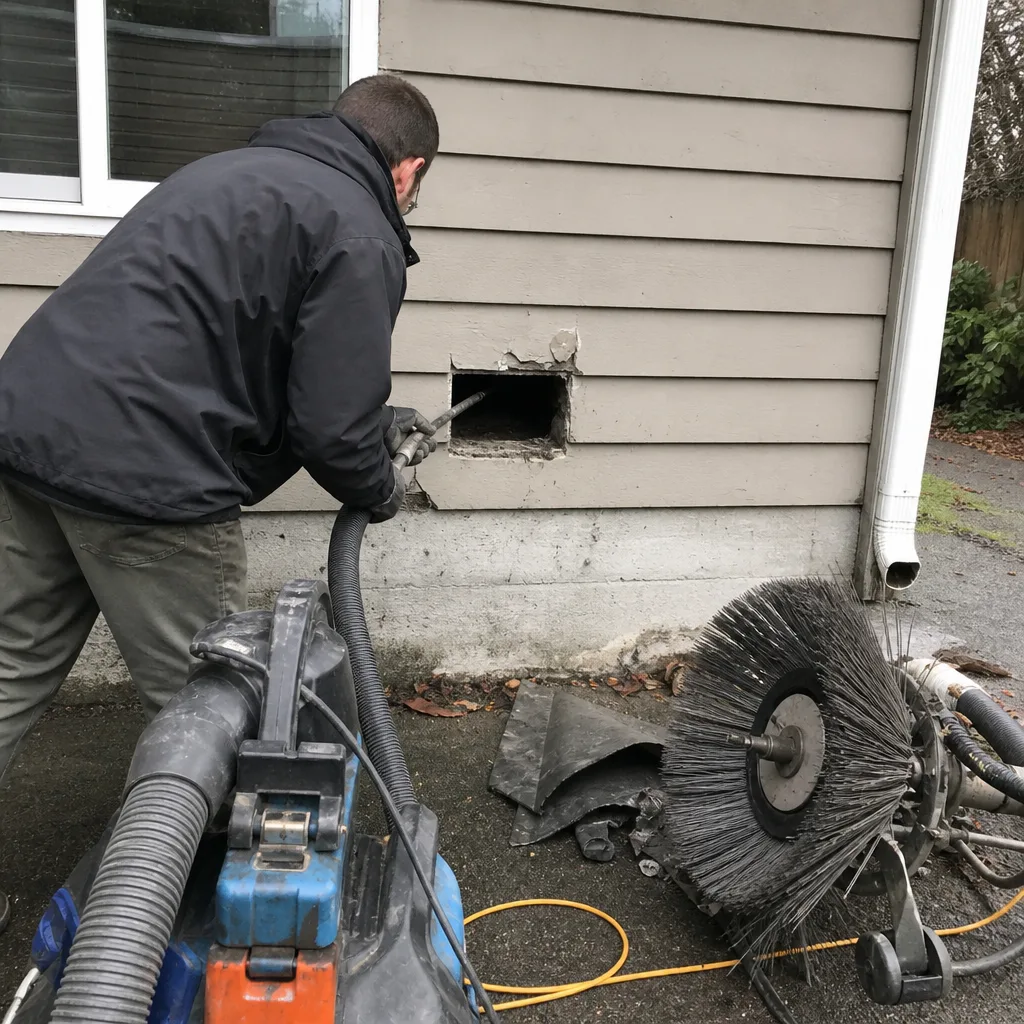 Before
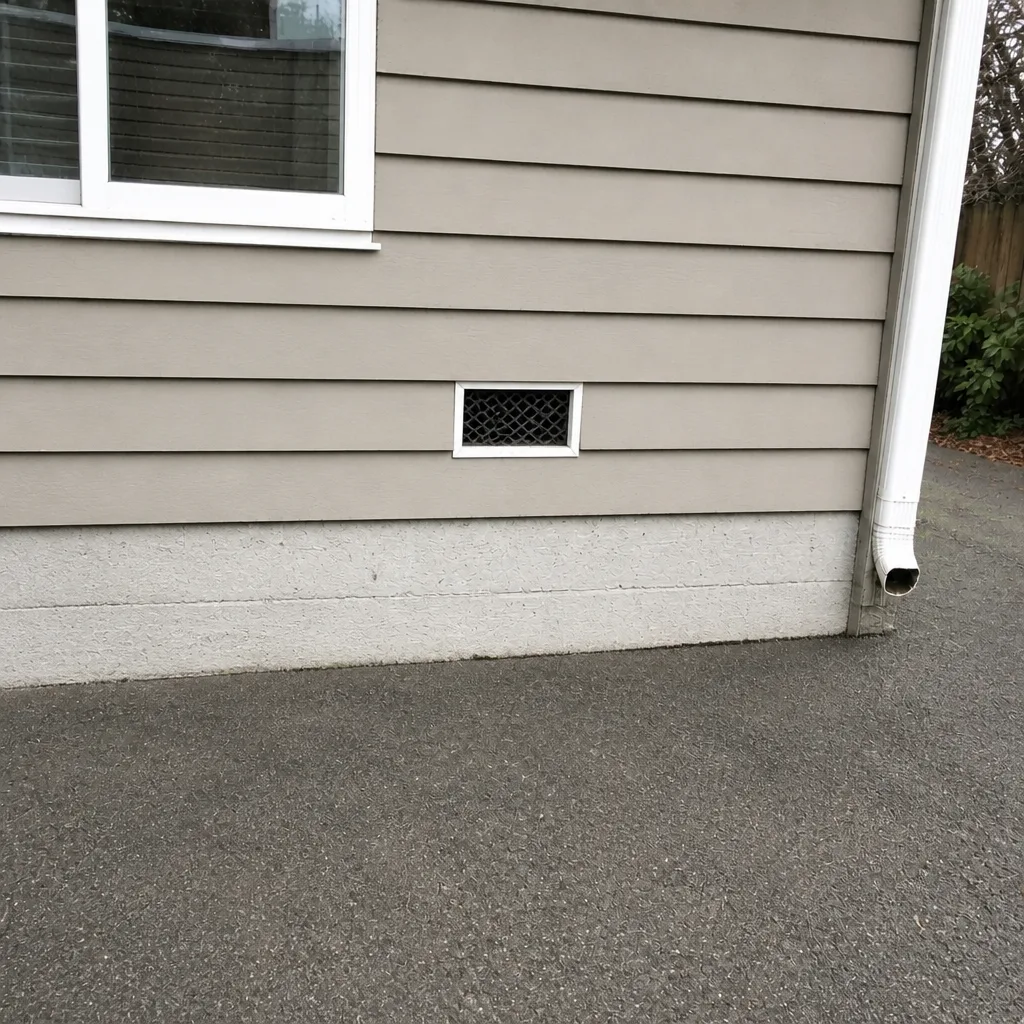 After
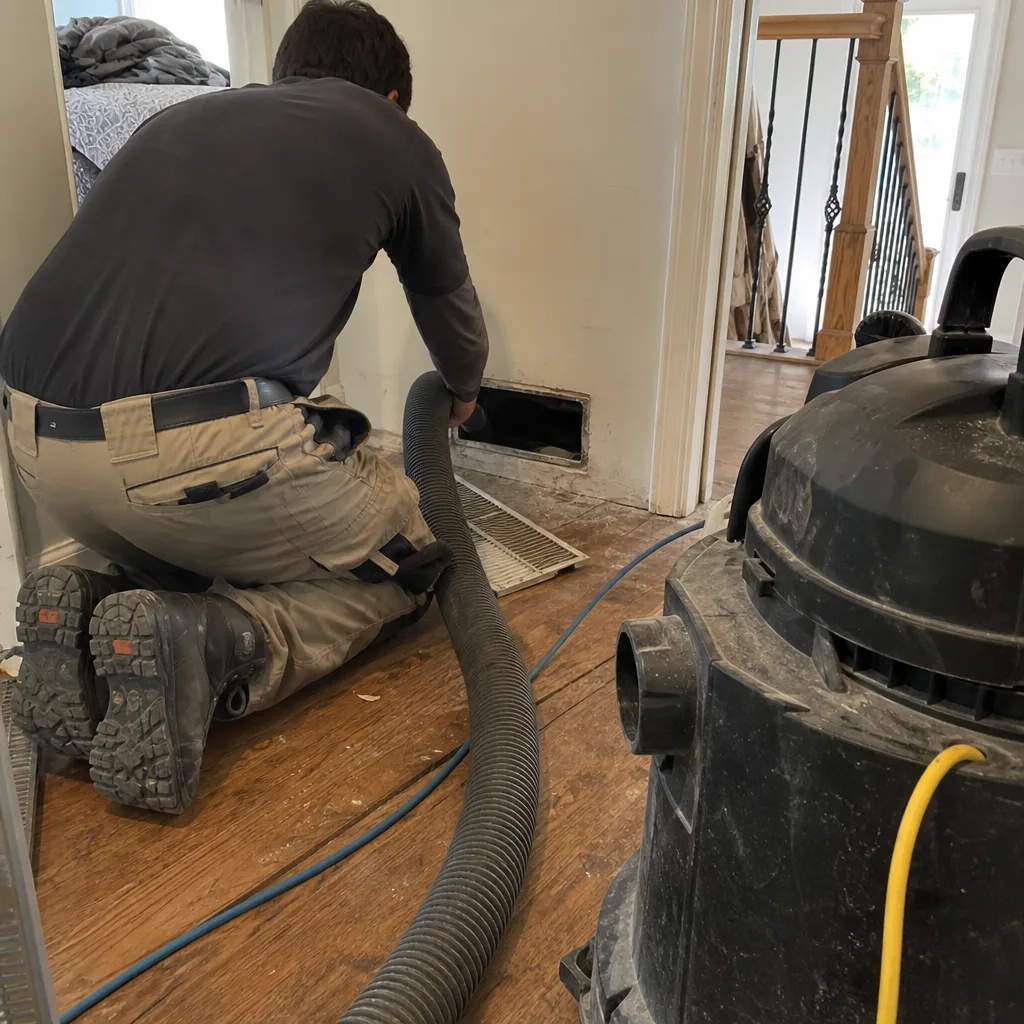 Before
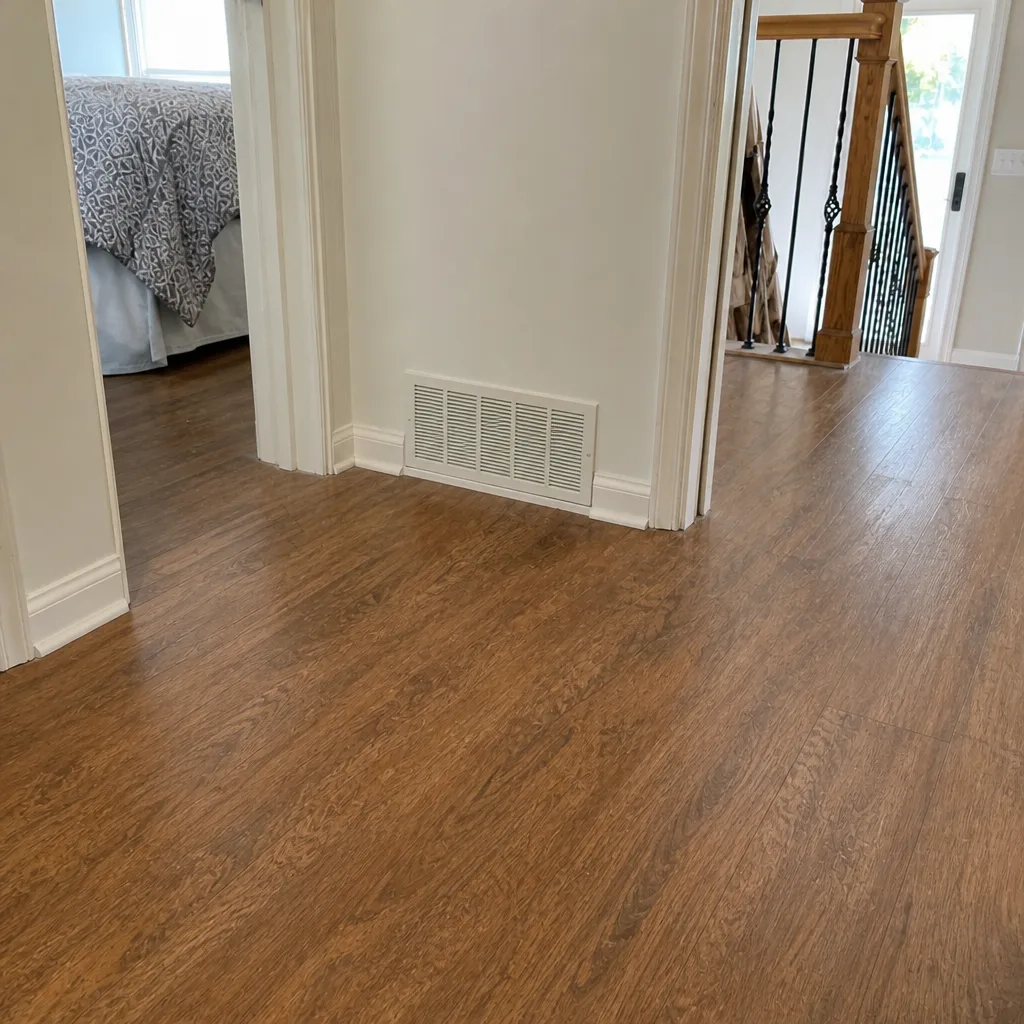 After
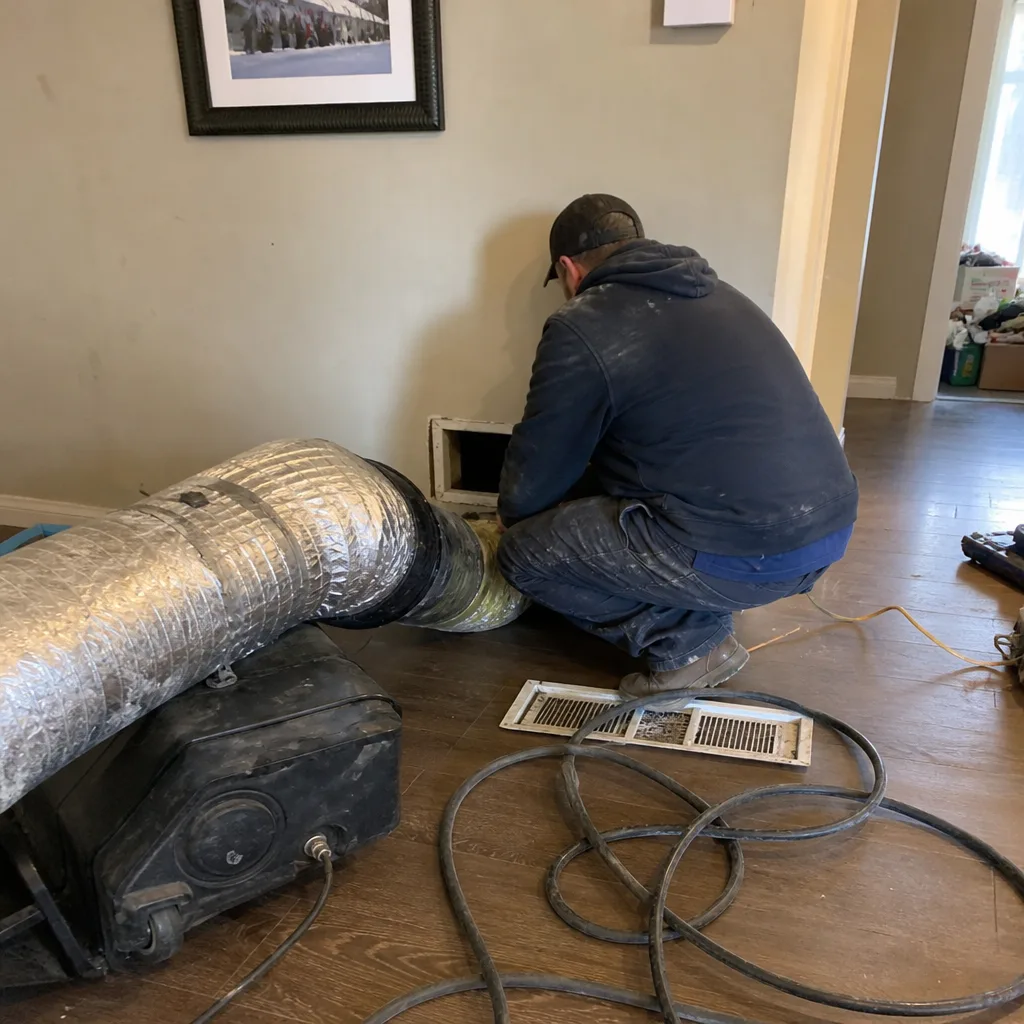 Before
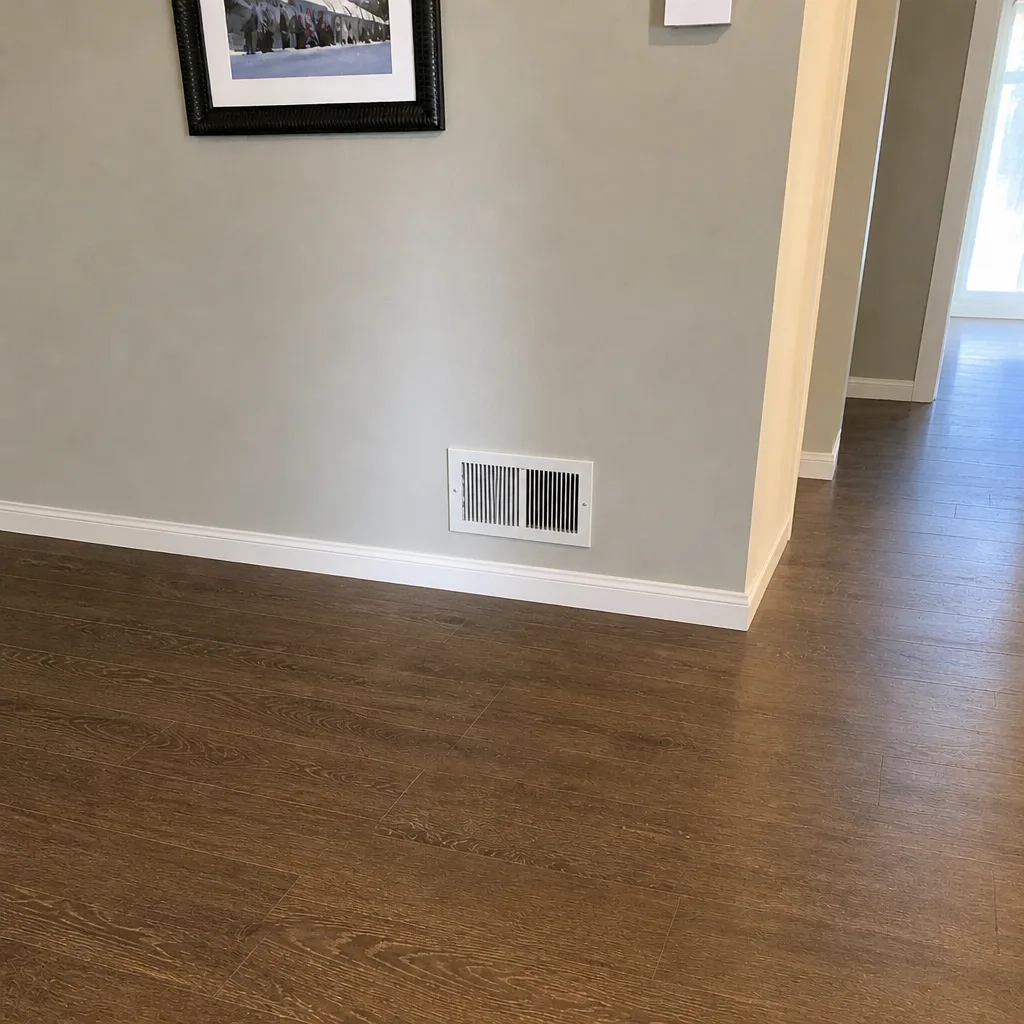 After
Frequently Asked Questions
Every quarter, plus an extra pass after any event that loads the system: a renovation, a new pet, or an HVAC service call. The quarterly rhythm is what lets you compare one reading to the next. Call (833) 509-3011 for an exact quote if a checkpoint raises a concern; estimates are free.
No. A cleaning schedule ignores what your system is actually doing. The findings set the schedule: repeated visual buildup, moisture, or persistent odor drive a cleaning call, while a clean, dry system doesn’t need one just because a calendar says so. If you want a specialist to read your findings, call (833) 509-3011 for a free evaluation.
It depends on the size of the system and how much debris and moisture are found, and a written estimate sets the final price before any work starts. Ask for the whole-system scope in writing, including whether the return trunks, air handler, and dryer vent are included, and get before-and-after photos of your own ducts. Call (833) 509-3011 for a free estimate.
Usually because the scope is smaller than it appears: only the supply registers get cleaned, the returns and air handler are skipped, and a consumer-grade vacuum is used instead of professional equipment. A real job includes the full pathway. Ask what’s included in writing before you compare prices, then call (833) 509-3011 to have a specialist walk you through the scope.
Ask for before-and-after photos of your own registers, returns, and air handler, and confirm that a professional system was used rather than a rental vacuum. Abatement Technologies filtration equipment running during the job is a good sign the process is being run with containment. For a free estimate, call (833) 509-3011.
Cleaning removes what’s inside the ducts; repair and sealing fix the gaps and separations where unfiltered air enters or conditioned air escapes. A checklist finding of a separated return or a filter gap is a repair job first. Durability, airflow, and air quality all improve when both are done. Call (833) 509-3011 if your log shows a leak.
The Bottom Line
Your filter is not your duct system. Changing it protects the equipment; it does nothing about what’s already settled inside the trunk. The checklist that actually protects a Kirkland home is a quarterly look at the filter loading pattern, the supply and return interiors, the air handler cabinet, and the condensation and odor that our cool, damp seasons make visible. Date every observation. Correlate it to events. Act on the thresholds, not on a vague feeling of dustiness. When a finding shows moisture, persistent odor, or visible coating, that’s the moment for a specialist who can both clean and repair, and who has the equipment to do it right. That’s the difference between a checklist you fill out and a system you actually track.
How Our Service Fits the Checklist
When your log points toward professional service, we run the full pathway in one visit: supply and return ducts, the air handler, and the dryer vent, using Rotobrush and Nikro systems on every job and Honeywell or Aprilaire products where an air-quality upgrade makes sense. We repair and seal what we find, and the Guardsman-grade protective treatment is part of our sanitizing scope. One flat price per system is agreed in writing before work starts, and you get before-and-after photos of your own ducts. If you’ve run your quarterly checks and want a specialist’s read, call Kirkland Air Duct Cleaning Pros at (833) 509-3011. We answer 24/7. Fast dispatch from 7am to 7pm, Sunday through Friday, and the estimate is free. For our full service overview, start at Kirkland Air Duct Cleaning Pros.
Written by the team at Kirkland Air Duct Cleaning Pros.