
Last updated November 25, 2026
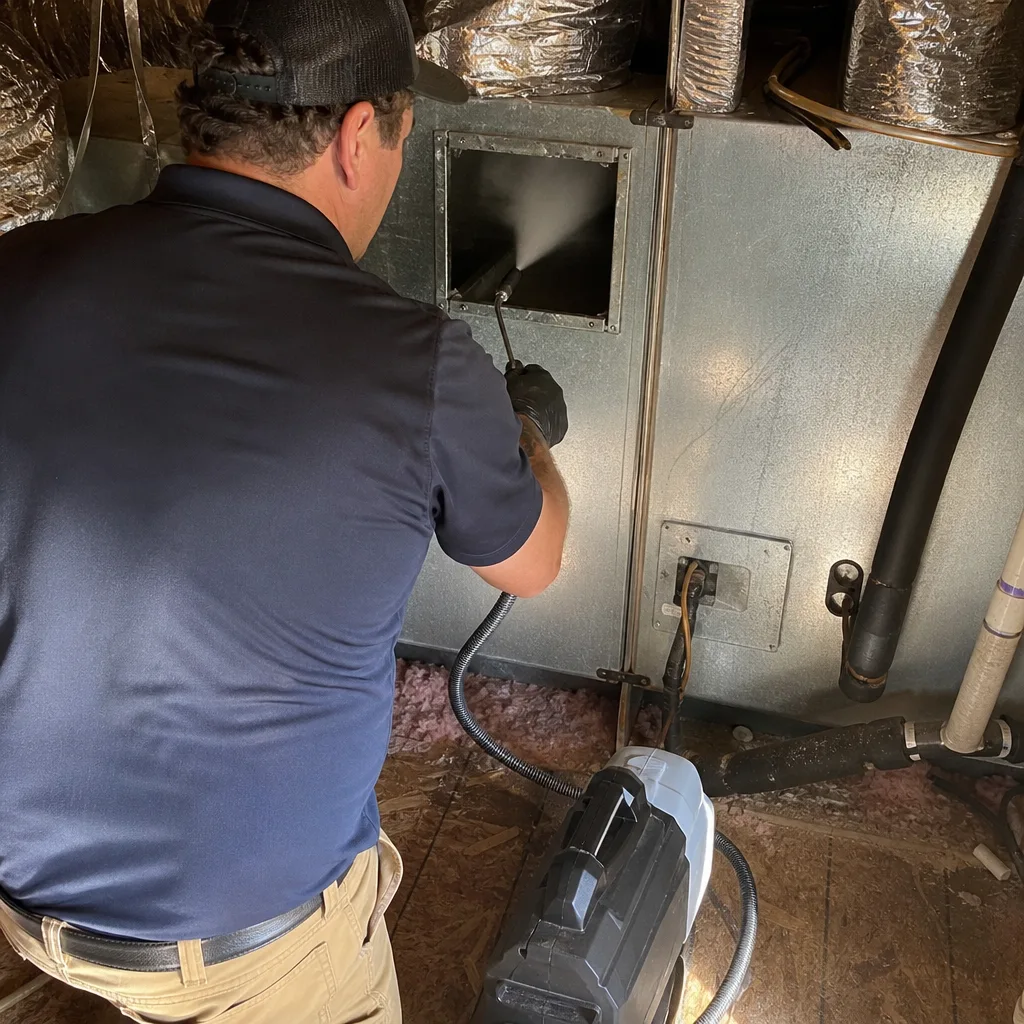
 Whole-home duct cleaning
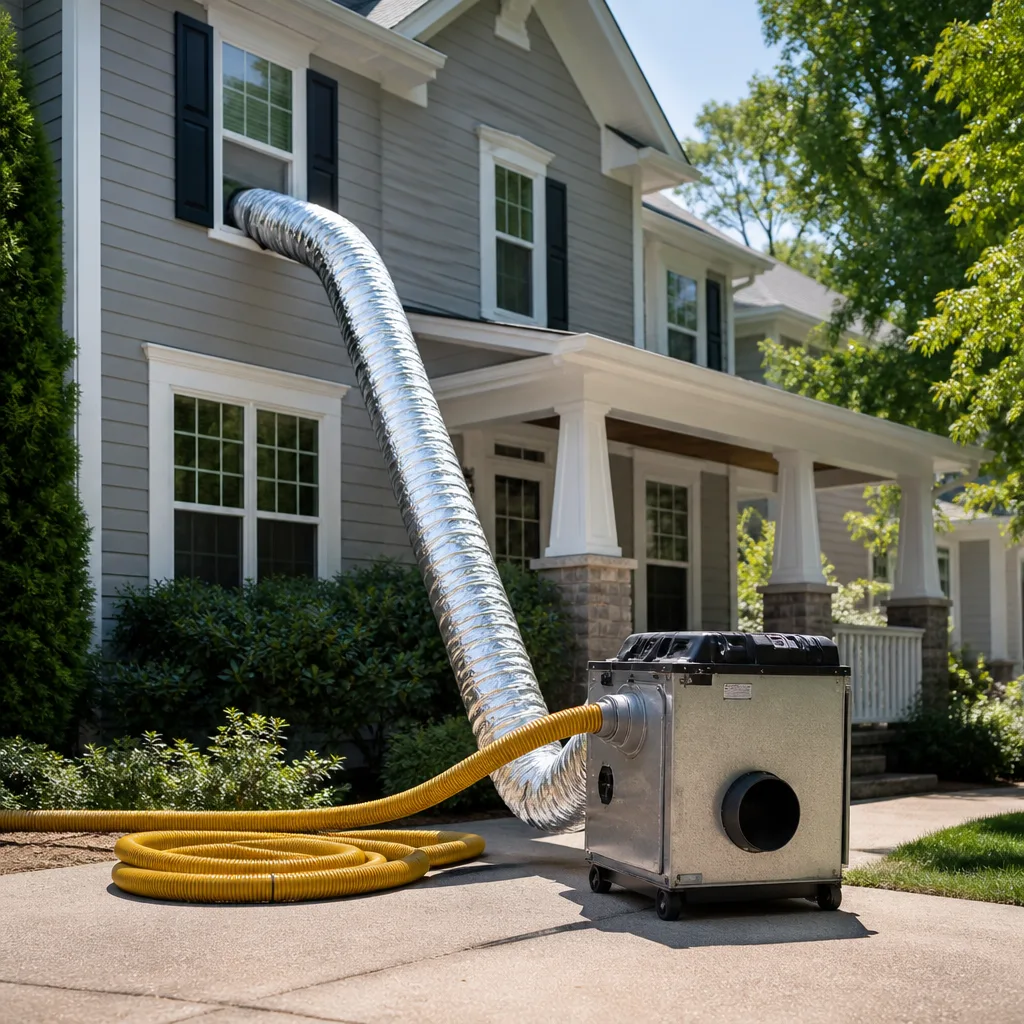
 Dryer vent cleaning
 Camera inspection
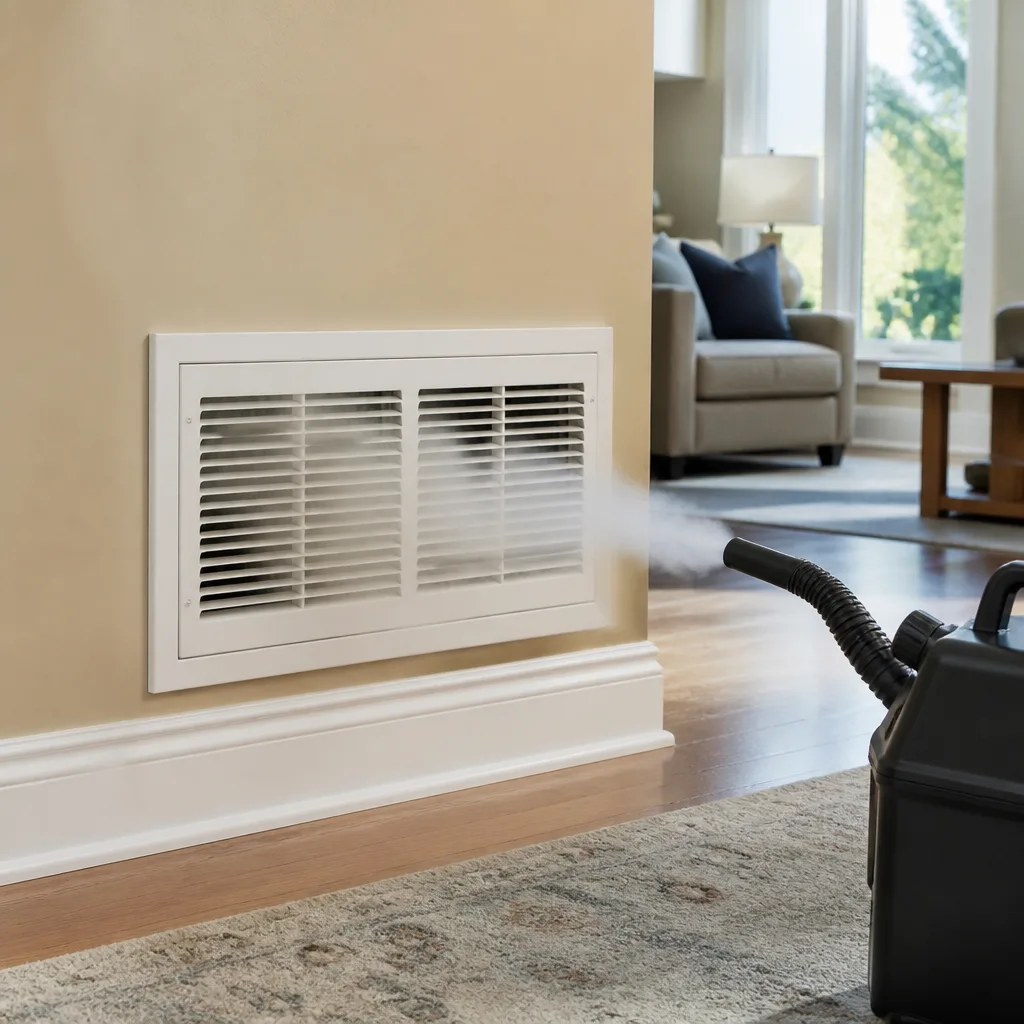 Sanitizing & deodorizing
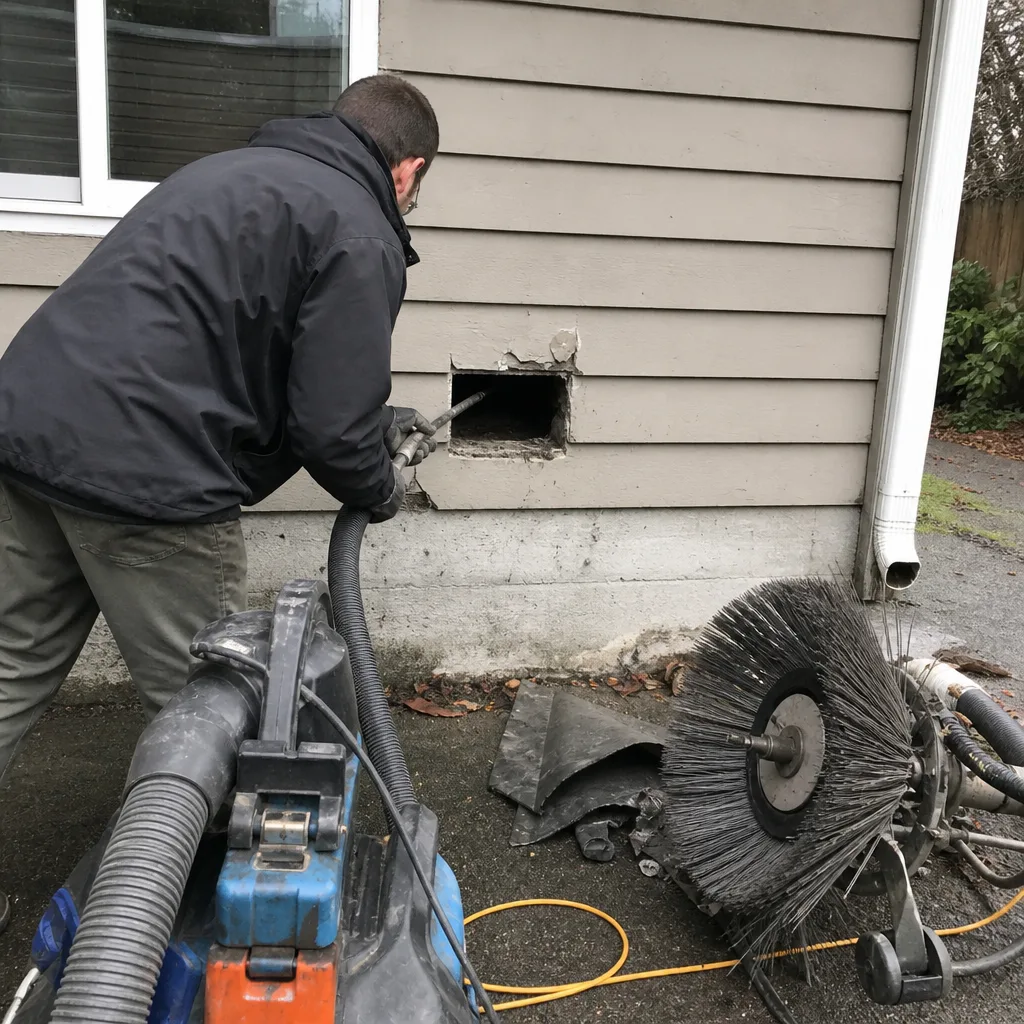
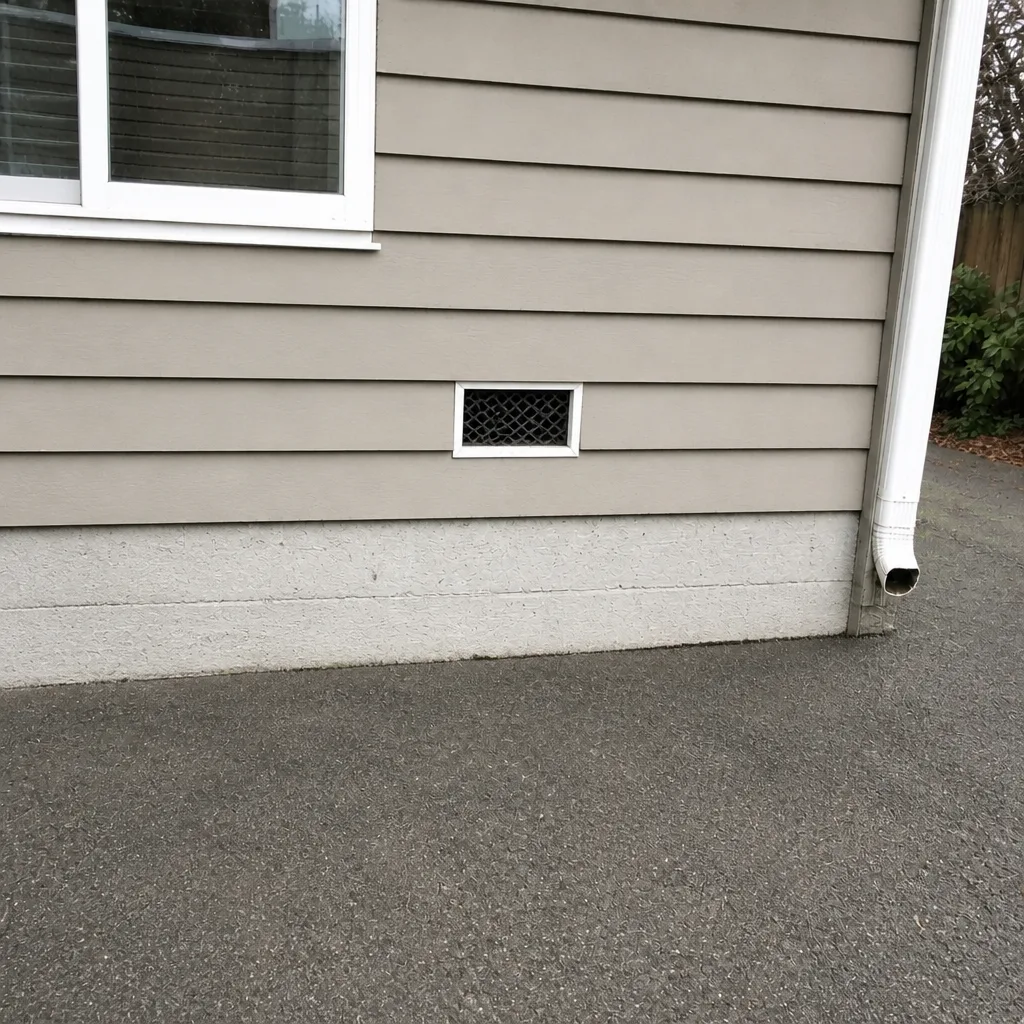
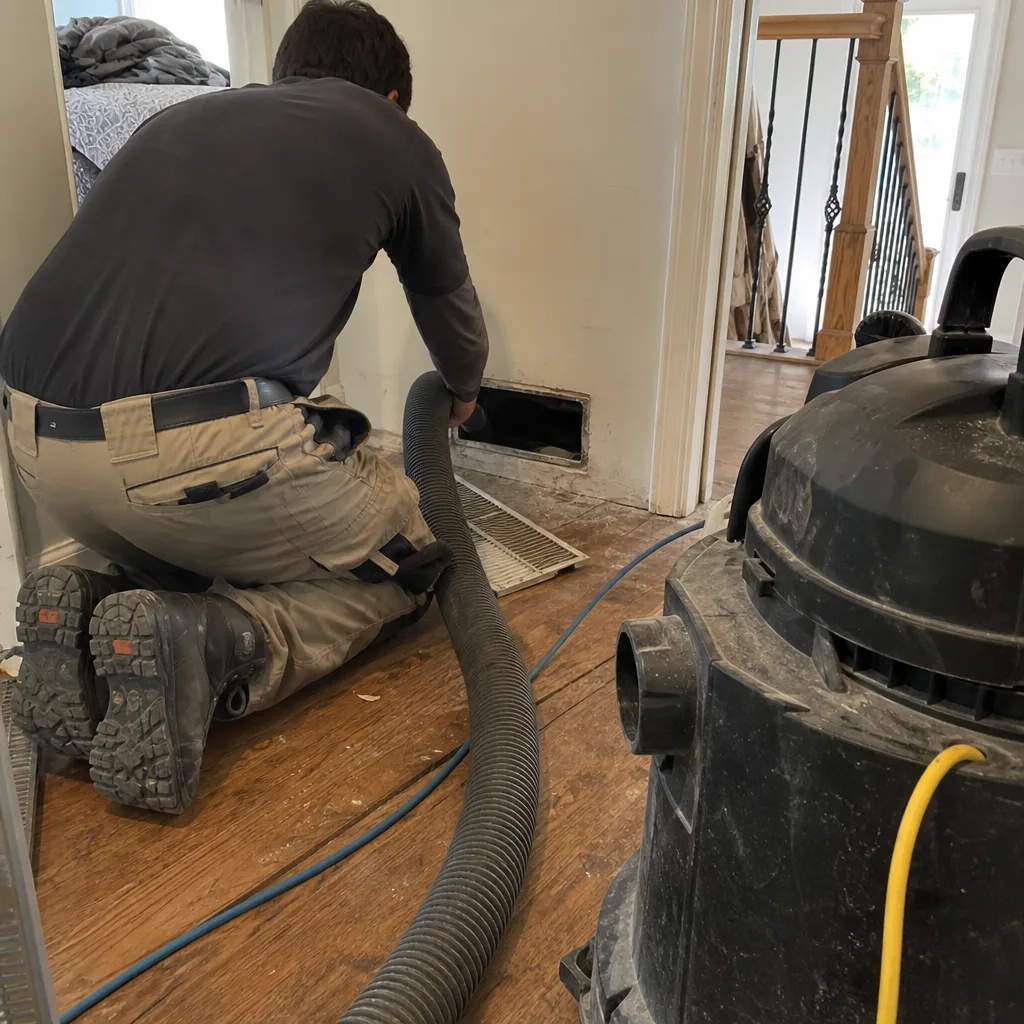
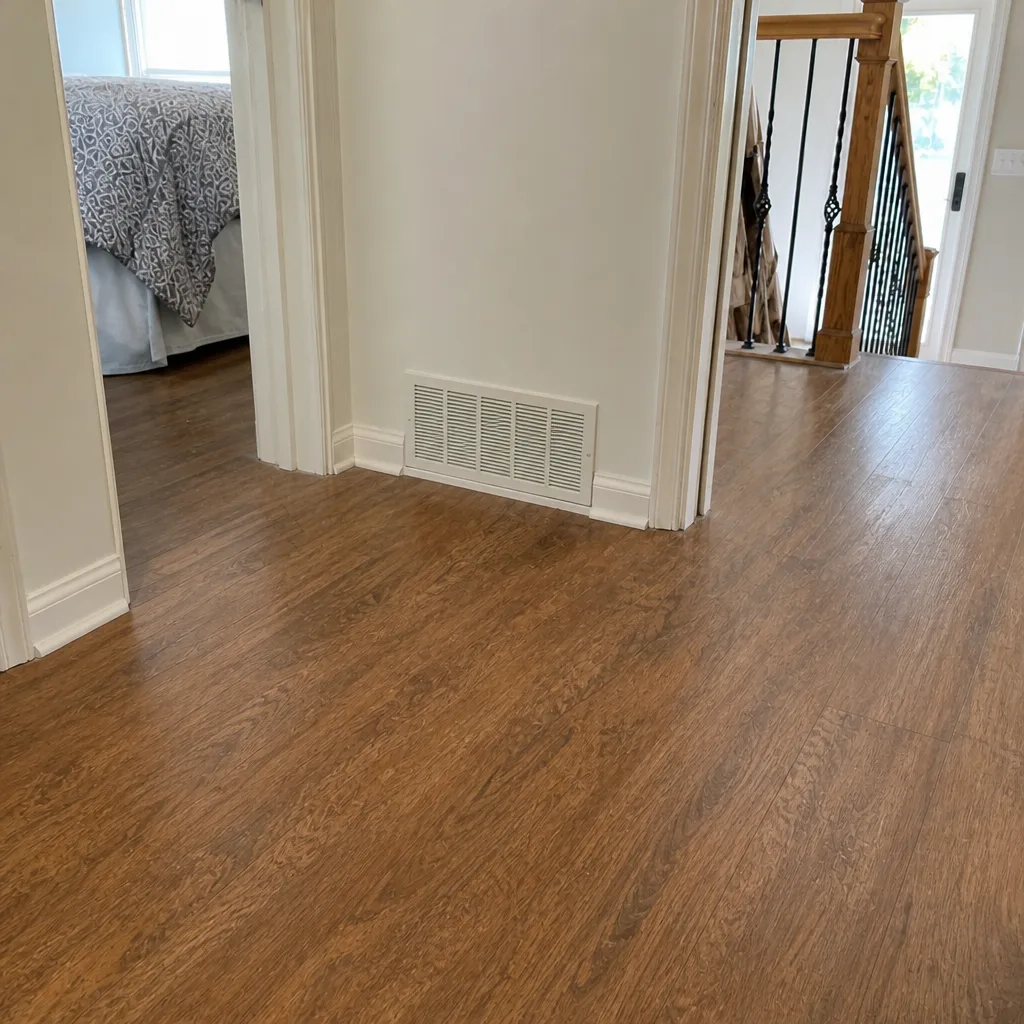
Whole-system duct and dryer vent check with before-and-after photos - you see exactly what came out of your vents
That "$99 whole-house special" is a bait ad - the real number appears once they are in your hallway, or the "clean" is a shop-vac at the register. We photograph the inside of your ducts before and after instead.
Seasonal Air Duct Cleaning Care for Kirkland: Year-Round Homeowner’s Guide
Most homeowners treat duct cleaning as a single decision made once every few years. In Kirkland, that framing misses what’s actually happening inside the system. Our four seasons don’t create equal stress on your ducts. Each one introduces a different contamination mechanism, on its own timeline, through air that moves through your home every day. Fall brings a specific spore load. Winter awakens months of settled debris. Spring pushes pollen through return vents. Summer condensation forms where cold air meets warm joints. This guide maps each seasonal risk to a specific action, so you’re protecting your air system ahead of the problem instead of cleaning up after it.
Quick Answer
Seasonal air duct cleaning care in Kirkland means matching maintenance to what each season actually introduces: a deep clean before heating season in fall, a pre-season blower check in winter, filter upgrades timed to the local pollen calendar in spring, and moisture monitoring at supply boots in summer. Most Kirkland homes benefit from a full professional cleaning every two to three years, with targeted checks in between. Homes with pets, recent renovations, or diagnosed allergies need annual service.
Styles & brands we work with
- Whole-home duct cleaning
- Dryer vent cleaning
- Camera inspection
- Sanitizing & deodorizing
Table of Contents
- Why Fall Is Kirkland’s Highest-Risk Season for Duct Contamination
- What Heating Startup Does to Dormant Ducts
- Spring Pollen and Filter Timing in King County
- Summer Condensation and Kirkland’s Maritime Humidity
- Annual vs. Biennial Cleaning: A Decision Framework
- A Year in the Life of a Well-Maintained Duct System
- Common Mistakes to Avoid
- When to Call a Professional
- Frequently Asked Questions
Why Fall Is Kirkland’s Highest-Risk Season for Duct Contamination
October is the highest-risk month for spore infiltration into Kirkland duct systems. Leaf mold spores peak across King County as wet leaves accumulate on roofs, gutters, and ground cover, and the return vents that pull air into your HVAC system have no way to filter them out at the source. When heating season begins and your system starts circulating air through the house, whatever settled in and around your returns over the summer starts moving. This is the window where a professional clean pays for itself most clearly.
The mechanism is straightforward. Return vents in hallways, bedrooms, and near entryways pull air from the spaces closest to where outdoor air leaks in. Filtration at the air handler catches some particles, but spores that bypass a standard filter settle into duct walls, joints, and the blower compartment. Once the furnace or heat pump fires up in October, that settled layer gets disturbed and distributed to every room your supply vents serve.
Before the heating season begins, the checklist looks like this:
- Inspect return grilles in every room for visible dust buildup or darkening.
- Replace the furnace filter with a clean one rated for your system – a MERV rating the blower can handle without strain.
- Schedule a professional cleaning in September or early October if it’s been two or more years, if you’ve renovated, or if anyone in the home has allergies.
- Clean gutters and clear roof valleys so wet leaf material isn’t sitting directly above intake points.
- After cleaning, ask for sanitizing with a Guardsman-grade protective treatment to slow regrowth on cleaned surfaces.
In our experience, Kirkland homes near mature tree cover – the neighborhoods around Juanita, Finn Hill, and the wooded edges of Bridle Trails – see heavier fall loading in their returns than homes with open lots. That’s a location fact, not a scare tactic. Trees drop leaves, leaves hold moisture, moisture grows mold, and return vents near ground level pull from that same air.
What Heating Startup Does to Dormant Ducts
When a heating system sits mostly idle for months and then fires up, it mobilizes debris that settled while the air was still. That first week of heating season is when a Kirkland homeowner is most likely to notice a musty smell, a dust film returning to furniture days after cleaning, or a sudden uptick in morning congestion. The system isn’t malfunctioning. It’s redistributing what accumulated.
A pre-season blower flush is the practical answer. This isn’t a DIY job – the blower compartment houses electrical components and moving parts that need to be accessed and cleaned safely. A technician running a Rotobrush system with Abatement Technologies filtration running in the room captures the dislodged material instead of letting it settle back into the living space. What we’re after here is a clean blower wheel, clean heat exchanger surfaces if accessible, and cleared return paths so air moves the way it was designed to.
Winter also brings the condensation problem that a lot of homeowners don’t connect to their ducts. In Kirkland, cold outdoor air and warm supply ducts meet at uninsulated joints, especially in crawl spaces and unconditioned attic runs. Condensation forms, and moisture on duct surfaces is exactly the environment mold needs. The smell might not arrive for weeks. By the time it does, the growth is already established.
Signs to watch for during the heating season:
- Musty or earthy odor from supply vents when the heat first kicks on
- Visible condensation or water staining near duct joints in unconditioned spaces
- Increased dust on surfaces within a few days of cleaning
- Uneven airflow between rooms that was fine last winter
- New or worsening allergy symptoms as heating hours increase
If two or more of those show up, it’s worth a professional inspection rather than another filter change. Filter changes address what’s in the air. They don’t address what’s already on the duct walls.
Spring Pollen and Filter Timing in King County
Pollen infiltration through return vents is the dominant spring duct risk in Kirkland, and the timing matters as much as the filtration. King County’s pollen calendar peaks in two waves: tree pollen in March and April, then grass pollen through May and June. A filter swapped in February catches the tree wave. A filter swapped in July catches nothing. The upgrade has to be in place ahead of the peak to do its job.
That said, not every filter upgrade is an upgrade. Higher MERV ratings catch finer particles, but a filter that’s too restrictive for the blower can cause the system to work harder, reduce airflow, and in some cases freeze a coil or stress the motor. Older Kirkland homes with standard 1-inch filter slots have less flexibility than a system with a 4- or 5-inch media cabinet. If you’re unsure what your system can handle, ask before buying. A blower that’s straining to pull air is a bigger problem than pollen it didn’t catch.
Spring is also the season when duct repair and sealing pays off differently. Gaps at joints and disconnected runs let unfiltered outdoor air and pollen straight into the supply side, downstream of the filter entirely. That’s a scenario no filter can fix, and it’s exactly the kind of root-cause problem we look for during spring inspections. We repair what we find, not just clean around it.
A spring routine that works for most Kirkland homes:
- Replace the filter in late February or early March, before tree pollen peaks.
- Walk the exterior and check for gaps around outdoor air intakes and fresh-air vents.
- Check return grilles for pollen dust accumulation – light buildup is normal, heavy darkening isn’t.
- Schedule a duct repair and sealing inspection if you’ve never had one, or if airflow has changed.
- If anyone in the home has a diagnosed pollen allergy, plan on an annual clean rather than biennial.
Working with air duct cleaning on a spring schedule also sets up the rest of the year. A system that’s clean going into pollen season handles the load far better than one that started the season already carrying two years of buildup.
Summer Condensation and Kirkland’s Maritime Humidity
Kirkland’s maritime summer differs from inland Washington in a way that affects ducts directly: humidity stays higher longer, and overnight temperatures drop enough that AC systems cycle on and off with wider swings than they would in a dry climate. Each cycle means cold air in supply ducts meeting warmer, humid air outside the duct wall. Where the duct isn’t insulated, condensation forms.
Supply boots – the transition fittings where ducts meet registers – are the most common failure point. They’re often lightly insulated or not insulated at all, and they sit right at the boundary between conditioned and unconditioned space. Standing moisture at a boot leads to staining on ceiling or wall material, and if the boot itself is metal, it rusts. If the boot is flex duct with an inner liner, moisture can colonize the liner. Neither problem is visible from the room side unless you know to look.
What to check during Kirkland summers:
- Staining at ceiling or wall material directly around supply registers
- Cool, damp air or visible condensation at register edges
- Musty smell in rooms served by AC that doesn’t clear when windows are open
- Reduced AC efficiency compared to the same period last year
If AC ducts are condensing, the fix is usually insulation at the boots and joint sealing, not a new system. Sealing also reduces the amount of unconditioned humid air the system has to deal with. This is where HVAC cleaning and duct repair work together rather than separately – cleaning addresses what was drawn in through the leaks, repair closes the leaks themselves.
Annual vs. Biennial Cleaning: A Decision Framework
Here’s the honest answer most homeowners won’t hear from a company that wants to sell cleaning every year: most Kirkland homes with no specific risk factors do fine on a two- to three-year cycle. Annual cleaning is warranted when a household factor makes it warranted. The follow-up that matters in between is filter maintenance and periodic inspection.
Use this framework to decide:
- Annual cleaning: one or more pets that shed, a smoker in the home, a recent construction or remodeling project, a household member with a diagnosed allergy or asthma, or a home where the system has never been professionally serviced.
- Biennial cleaning: no pets, no smoking, no recent renovation, no diagnosed respiratory condition, and a system that was cleaned and inspected at the last interval.
- Triennal cleaning: a newer home with a well-filtered system, no pets, no renovations since construction, and no occupant with respiratory sensitivities.
Recent construction is the factor homeowners most often underestimate. Drywall dust, sawdust, insulation fibers, and framing debris settle into ducts during remodeling and stay there long after the visual mess is gone. The filters catch some, but a filter loaded with construction dust also stops doing its job for the fine particles behind it. A post-renovation clean isn’t a luxury – it’s part of finishing the project.
Pets run a close second. A single dog or a pair of cats can double the particle load in a home’s return air. That loading doesn’t just show up in the filter. It settles on duct walls and gets moved back into the rooms every time the system runs.
Whatever the interval, keep a record of what was cleaned, what was sealed, and what filters were used. It’s the cheapest way to know whether the two-year plan is actually working or whether the home has drifted into annual territory.
A Year in the Life of a Well-Maintained Duct System
A properly maintained Kirkland duct system doesn’t require much from a homeowner – but what it requires needs to land in the right month. What follows is the sequence a full seasonal cycle looks like when it’s being done right.
- Early fall (September): Pre-heating-season inspection. Check returns and supply grilles for buildup. Address any visible gaps or disconnected runs. Schedule a full cleaning if the interval is up.
- Mid-fall (October): New filter installed ahead of peak leaf mold spore activity. Gutters and roof valleys cleared.
- Late fall (November): First heating cycle – watch for musty odor or dust film. Blower flush if the system sat idle through summer.
- Winter (December through February): Filter checks every 30 to 60 days. Moisture inspection in crawl spaces and at uninsulated joints. Any musty smell is a call, not a wait-and-see.
- Early spring (March): New filter into the system ahead of tree pollen. Exterior gap inspection around intakes.
- Late spring (May): Second filter check – grass pollen loading shows up here. Duct repair and sealing inspection if it’s been avoided.
- Summer (June through August): Condensation watch at supply boots. AC cycle observation. Sealing and insulation if moisture is showing up.
This is the rhythm we run our own seasonal work to at Kirkland Air Duct Cleaning Pros. Each step ties back to a specific mechanism: spores in fall, mobilized debris in winter, pollen in spring, condensation in summer. There’s no arbitrary calendar here – each action maps to what the season actually does to the system.
If a step in the sequence gets skipped – say, the fall clean pushes to December – you’re not starting over. But you’re walking into heating season with last season’s debris plus this season’s new load on top. That compound effect is what turns a two-year interval into an annual one.
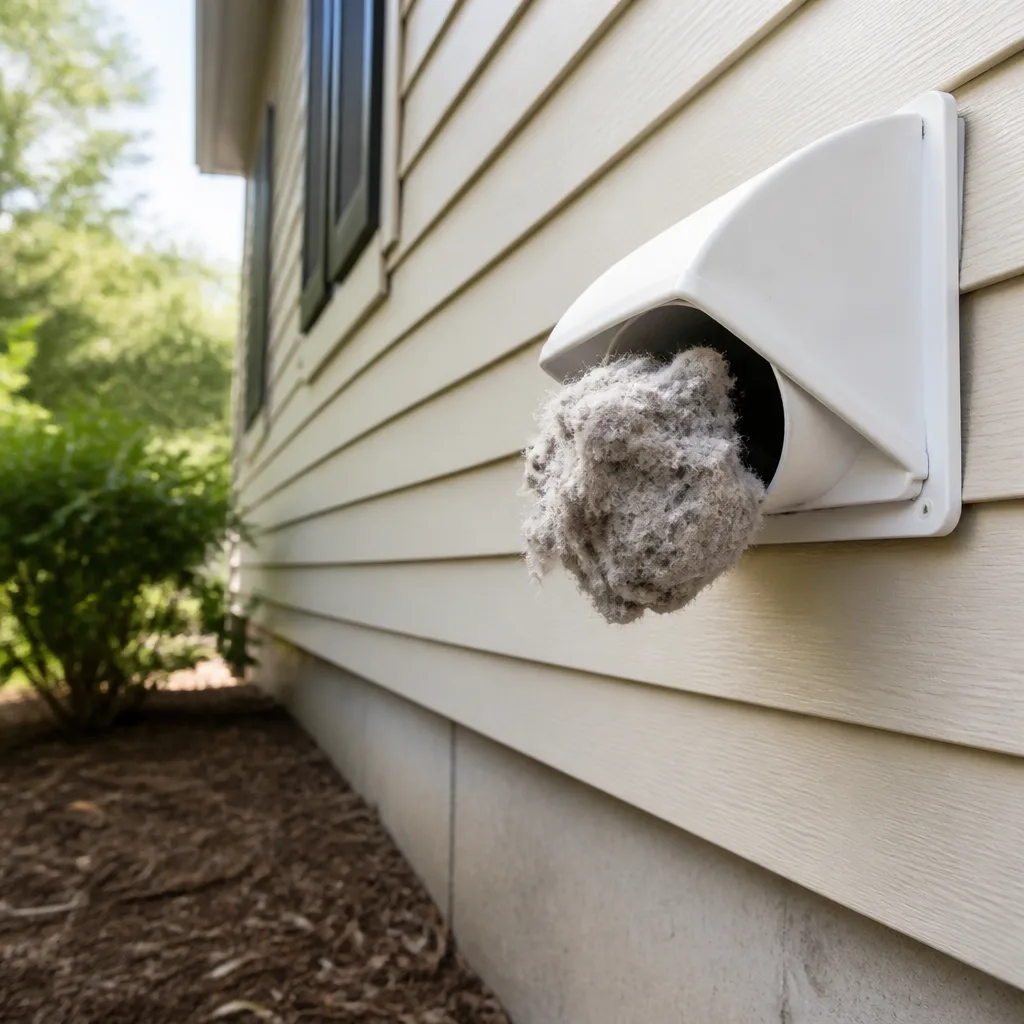
Dryer vents sit slightly outside this rhythm but still fit within it. Lint accumulation in a dryer vent is a fire risk year-round, and it’s worth checking once per season regardless of the duct cleaning schedule. dryer vent cleaning addresses the one restriction in the home where the buildup is directly combustible.
Common Mistakes to Avoid
- Waiting until you can smell it. Duct contamination has a long runway before it produces an odor. In Kirkland’s wet winters, condensation-induced mold can colonize duct surfaces weeks or months before anyone in the home notices a musty smell. By the time the smell arrives, the growth is already established.
- Assuming a filter change is a cleaning. Filter changes manage airborne particles moving through the system. They don’t touch what’s already settled on duct walls, the blower, or the supply boots. Homes that swap filters diligently for two years and skip cleaning still carry the buildup.
- Hiring whoever quotes lowest without asking about equipment. A shop-vac approach and a Rotobrush or Nikro system aren’t comparable tools. The low quote often reflects the equipment gap, not a better deal. Ask what’s being used before you compare prices.
- Skipping post-renovation cleaning. A finished kitchen or bathroom looks clean. The supply and return lines that served that room during the remodel don’t. Drywall dust and insulation fibers from a Kirkland renovation settle into ducts and stay for years without a professional clean.
- Ignoring condensation at supply boots. A small water stain at a register edge looks cosmetic. What’s behind it is wet duct material – a favorable surface for mold and a likely point of duct insulation failure. Cosmetics become contamination faster than homeowners expect.
- Using a generalist for a duct-and-air-system job. A whole-home clean that touches the HVAC components, dryer vent, and supply and return paths requires an air-system specialist. A general handyman or a carpet-cleaner running a shop vac in a duct isn’t the same service.
- Cleaning without repairing the leaks. A clean system with gaps and disconnected joints pulls outdoor air straight past the filter. Fall leaf mold, spring pollen, and summer humidity all enter through the same leaks. Cleaning without sealing means the next season starts the cycle over.
When to Call a Professional
Some duct work is routine maintenance. Some is a call you make now rather than later. Call a professional if you’re seeing condensation or water staining at supply boots, if a musty smell appears when the heat comes on, if you’ve recently finished a renovation, or if no one in the home has ever had the system inspected. The same applies if a household member’s allergy or asthma symptoms have changed with heating or cooling hours, if airflow is noticeably uneven between rooms, or if you’ve never had the dryer vent checked.
Kirkland Air Duct Cleaning Pros offers free estimates in Kirkland – call (833) 509-3011. We use Rotobrush and Nikro systems on every job and run Abatement Technologies filtration during service to capture what gets dislodged. The local pro is licensed and insured as their state requires, and the price is set per job by the written estimate before work starts.
Frequently Asked Questions
Most Kirkland homes with no pets, no smoking, no recent renovation, and no diagnosed respiratory condition do well on a two- to three-year cycle, with a professional cleaning followed by filter maintenance and seasonal inspection. Homes with pets, a smoker, recent construction, or a household member with allergies need annual cleaning. Call (833) 509-3011 for an exact quote – estimates are free.
Cheap quotes usually reflect a different service. Consumer-grade or rental vacuums don’t generate the airflow and agitation that professional Rotobrush or Nikro systems do, so much of the dislodged debris settles back before it leaves the system. Ask what equipment is used and whether filtration runs during service before comparing prices. Call (833) 509-3011 to talk through what a whole-system clean covers – estimates are free.
Ask for before-and-after photos of your own ducts, not stock images. A professional service should walk through which paths were cleaned – supply, return, blower, dryer vent – and let you see the boots and returns before they’re closed back up. Call (833) 509-3011 for an exact quote – estimates are free.
Fall is genuinely the highest-risk season in Kirkland because leaf mold spore counts peak in King County in October as wet leaves accumulate and heating season begins. The combination of peak spore load and the first heating cycle is what makes it the standout month. That said, winter, spring, and summer each carry their own contamination mechanism, which is why a year-round approach works better than a single seasonal clean. Call (833) 509-3011 for an exact quote – estimates are free.
Yes. Repair and sealing are typically done as part of the same visit – the system is opened for cleaning anyway, so gaps, disconnected runs, and uninsulated joints are visible and fixable at that stage. Sealing without cleaning leaves debris in place. Cleaning without sealing lets the same leaks pull outdoor air straight back in. Call (833) 509-3011 for a free estimate that covers both.
Pricing is set per job by a written estimate, not per vent or per hour. Whole-system cleaning ranges vary with the home’s size, the number of registers, whether repair or sealing is needed, and whether a dryer vent and HVAC components are included. We give you a flat price per system before work starts. Call (833) 509-3011 for an exact quote – estimates are free.
The Bottom Line
Kirkland’s seasons don’t stress ducts equally. Fall brings leaf mold spores and the first heating cycle. Winter mobilizes what settled during the dormant months. Spring pushes pollen through returns if filtration timing is off. Summer forms condensation where cold air meets warm joints. Matching each season to a specific action – a fall clean before spores take hold, a filter before each pollen wave, moisture checks at boots, repair and sealing to close what cleaning can’t fix – protects the system and the people living in it. Most homes need professional service on a two- to three-year rhythm, with annual service when pets, smoking, renovations, or health concerns raise the load. The work you skip now becomes the load you carry into the next season.
Written by the team at Kirkland Air Duct Cleaning Pros.
See the difference
 Before
 After
 Before
 After
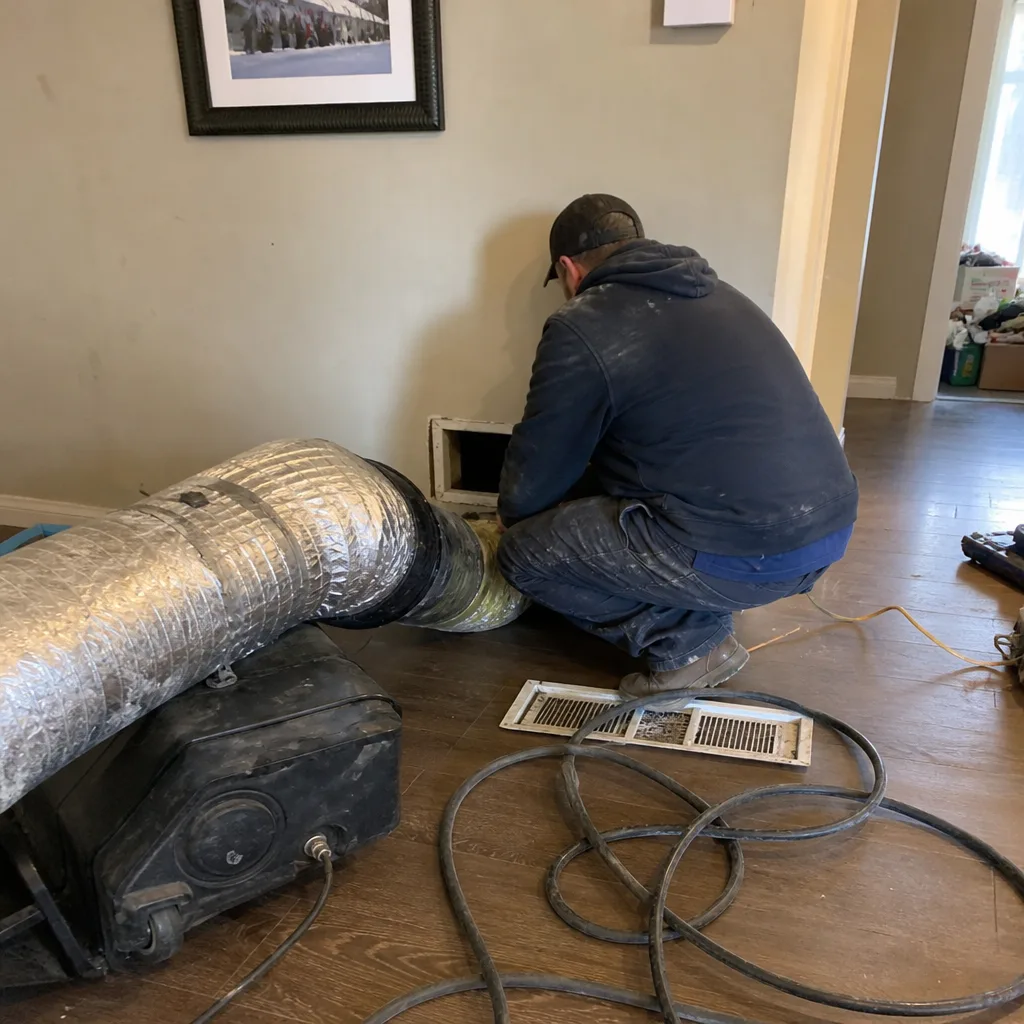 Before
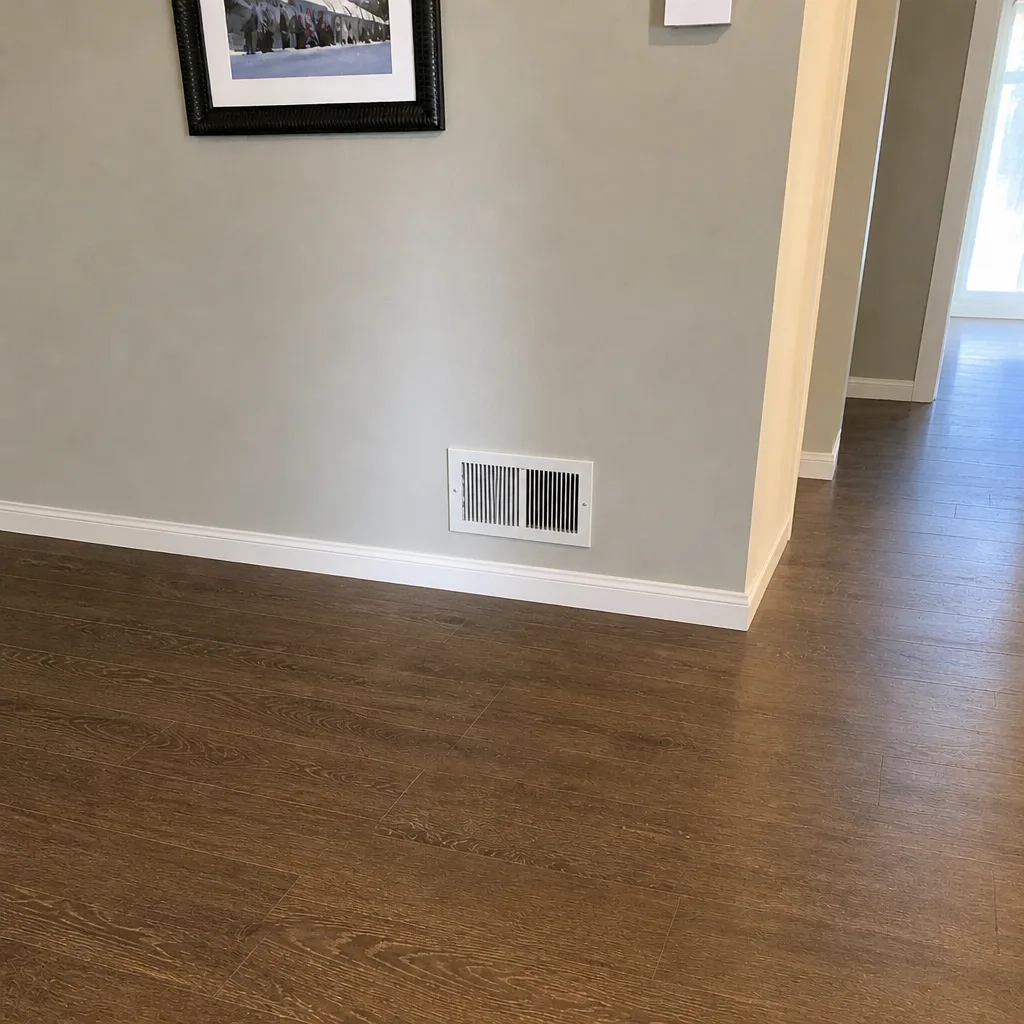 After